The recent dramatic fall in shares of offshore wind giant Orsted serves as a potent reminder of the inherent risks and complexities embedded within large-scale energy infrastructure projects, regardless of their green credentials. The sudden halt of a nearly complete U.S. wind farm by regulatory mandate sent shockwaves through the market, illustrating how even well-advanced developments can face unforeseen hurdles. For investors navigating the intricate landscape of global energy, this incident underscores the critical importance of understanding regulatory environments, project execution risks, and the delicate balance of capital markets, especially as the energy transition continues to gather pace.
Immediate Repercussions for Orsted and the Offshore Wind Sector
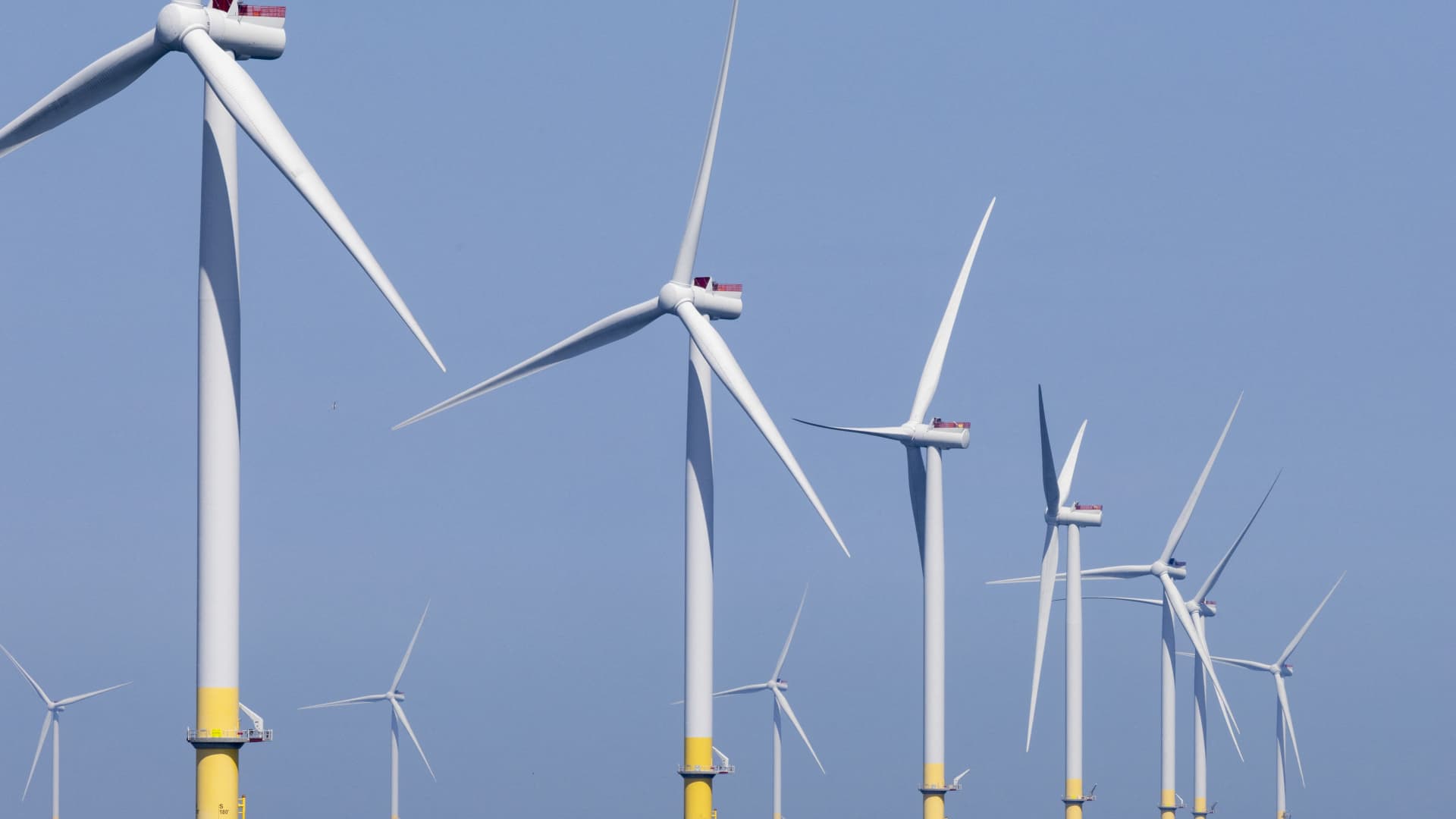
Orsted, a key player in the global offshore wind industry, saw its shares plummet by approximately 17% in response to a stop-work order issued by the U.S. Bureau of Ocean Energy Management. This directive targeted the Revolution Wind Project, located off the coast of Rhode Island, a development that Orsted reported to be 80% complete, with 45 out of 65 wind turbines already installed. The abrupt halt, despite the project’s advanced stage, immediately introduced significant uncertainty and risk into Orsted’s operational and financial outlook.
The company acknowledged the U.S. order, indicating its compliance while simultaneously exploring avenues to resolve the issue and resume construction. However, the financial implications are considerable. According to analysis from Sydbank’s head of equity research, Jacob Pedersen, the best-case scenario involves ongoing costs associated with the stoppage. The worst-case, however, could be far more severe: the project might never supply electricity, leading to a potential double-digit billion Danish kroner write-down and substantial additional costs for contract termination. Such an outcome would inevitably necessitate a capital raise significantly exceeding the DKK 60 billion ($9.4 billion) rights issue already proposed by Orsted earlier this month. While Orsted has affirmed its commitment to the existing rights issue, backed by its majority stakeholder, the Danish state, the market’s reaction clearly reflects skepticism regarding the sufficiency of this capital injection given the new, unexpected headwinds.
Macro Energy Volatility and Investor Sentiment
The challenges facing Orsted in the renewables sector do not exist in a vacuum; they are intrinsically linked to the broader volatility and capital allocation dynamics within the global energy market. As of today, the traditional crude market is experiencing notable shifts. Brent crude trades at $90.38, marking a significant 9.07% decline within the day, while WTI crude sits at $82.59, down 9.41%. This daily downturn is part of a more extended trend, with Brent having fallen from $112.78 on March 30th to $91.87 yesterday, representing a substantial 18.5% drop over the past 14 days. Such pronounced volatility in core energy commodities inevitably influences investor appetite for risk across the entire energy complex, including renewable ventures.
Our proprietary reader intent data reveals a keen focus among investors on the future stability and trajectory of the energy market. Questions like “what do you predict the price of oil per barrel will be by end of 2026?” highlight a fundamental search for long-term clarity amidst short-term fluctuations. Similarly, inquiries about the performance of established players, such as “How well do you think Repsol will end in April 2026,” underscore a desire to understand resilience in a dynamic environment. The Orsted situation, therefore, adds another layer of complexity to these assessments, demonstrating that even the ‘green’ segments of the energy market are subject to significant regulatory and execution risks that can impact capital flows and long-term project viability.
Navigating Upcoming Catalysts and Strategic Outlook
For investors, understanding the broader market context and anticipating future catalysts is paramount. While Orsted addresses its specific project challenges, the overall energy landscape continues to evolve, influenced by a series of critical upcoming events. This weekend, the OPEC+ Joint Ministerial Monitoring Committee (JMMC) and the Full Ministerial meetings on April 18th and 19th, respectively, will be closely watched. These discussions are pivotal in shaping global oil supply policy and will undoubtedly impact crude price stability, thereby influencing the broader capital environment for all energy projects.
Closer to home, weekly data releases from the American Petroleum Institute (API) and the U.S. Energy Information Administration (EIA) on crude inventories (scheduled for April 21st, 22nd, 28th, and 29th) will offer crucial insights into U.S. supply and demand dynamics. Additionally, the Baker Hughes Rig Count on April 24th and May 1st will provide a real-time snapshot of drilling activity. While these events directly pertain to the traditional oil and gas sector, their cumulative effect on market sentiment and energy prices will indirectly shape the financing conditions and risk perceptions for renewable energy ventures. Orsted’s ability to navigate its current predicament will play out against this backdrop of ongoing macro-energy developments, highlighting the interconnectedness of seemingly disparate energy segments.
Strategic Implications for Energy Transition Investors
The Orsted incident serves as a stark, invaluable lesson for investors allocating capital to the energy transition. It underscores that “green” investments, particularly large-scale infrastructure projects, are not immune to the regulatory, logistical, and financial challenges traditionally associated with major capital-intensive endeavors in the oil and gas sector. The sheer scale and novelty of offshore wind projects often introduce unique complexities, from environmental permitting and grid interconnection to supply chain vulnerabilities and, as seen here, unexpected regulatory intervention.
For investors, this mandates an even more rigorous due diligence process that scrutinizes not just the environmental benefits and technological viability of projects, but also the robustness of regulatory frameworks, political stability in host nations, and the financial resilience of project developers. The rapid growth ambitions of many renewable energy firms often necessitate substantial capital raises, and any disruption to a key project can severely impact financing plans and investor confidence. This event will likely lead to increased scrutiny from capital providers, potentially making future financing for large-scale renewable projects more expensive or harder to secure. Ultimately, while the drive towards a sustainable energy future remains strong, the Orsted situation is a critical reminder that prudent investment requires a holistic assessment of all risks, ensuring that the promise of green energy is matched by the practical realities of project execution and market dynamics.