Geopolitical Fault Lines Reshape European Energy Security
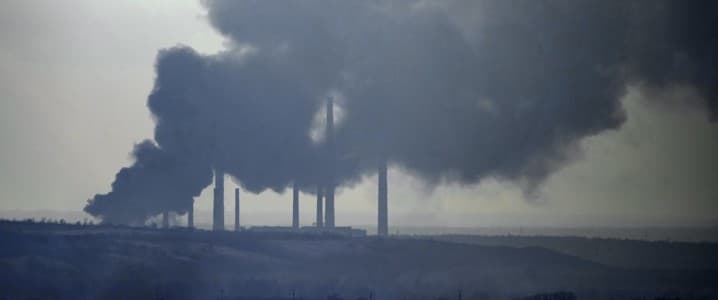
The recent allocation of $2 million by Azerbaijan to aid Ukraine in restoring its damaged energy infrastructure marks a critical juncture in the ongoing geopolitical realignments impacting global energy markets. This decision, following direct Russian missile and drone attacks on a SOCAR-operated oil depot and a gas compressor station integral to Azerbaijani gas transit in Ukraine, underscores the escalating risks and the urgent imperative for energy diversification across Europe. For investors, this development is not merely a humanitarian gesture but a stark reminder of the volatile operational environment and the strategic shifts influencing long-term supply dynamics and regional energy security. As nations like Ukraine actively seek to decouple from traditional supply dependencies, understanding these emerging corridors and the associated geopolitical risks becomes paramount for informed capital allocation in the oil and gas sector.
Caspian Gas Corridor Under Threat: Implications for Diversification Efforts
The targeted attacks, particularly on the Transbalkan pipeline pumping and metering facility near the Ukraine-Romania border, directly challenge Kyiv’s strategic pivot towards non-Russian gas sources. This facility had only recently handled Ukraine’s inaugural trial shipment of Azerbaijani gas, a milestone signaling a viable alternative supply route via Romania and Moldova. Despite the aggression, imports through this critical facility have maintained a steady flow of approximately 425,000 cubic meters per day since early August, demonstrating a degree of resilience in the nascent supply chain. However, these strikes undeniably introduce a heightened risk premium for future investments in such diversification projects.
Investors frequently probe the resilience of new energy corridors, and these events directly address those concerns. Many are keen to understand the stability and security of alternative supply routes, often asking about the long-term viability of infrastructure in contested regions. The direct targeting of energy assets linked to Azerbaijan’s supply to Ukraine indicates a clear intent to disrupt these efforts. This escalation also reflects a deepening strain in relations between Baku and Moscow, which had already seen friction over various incidents. For companies like SOCAR and others involved in the Southern Gas Corridor, this means reassessing risk exposure and potentially factoring in higher security costs or contingency planning for future projects aimed at supplying Europe.
Crude Market Disconnect: Geopolitics vs. Macro Headwinds
While regional tensions in a significant energy transit zone typically trigger an upward swing in crude prices, the current market response paints a more complex picture. As of today, Brent crude trades at $90.38 per barrel, marking a significant 9.07% decline from its previous close, while WTI crude sits at $82.59, down 9.41%. This sharp daily downturn continues a broader trend, with Brent having shed $20.91, or 18.5%, since late March, moving from $112.78 to $91.87 just yesterday. The immediate market reaction suggests that broader macroeconomic concerns, including potential global demand slowdowns and inventory levels, are currently outweighing the geopolitical risk premium associated with these specific regional conflicts.
However, this apparent disconnect should not be misinterpreted as an absence of risk. The underlying potential for escalation remains, and any direct impact on major oil export routes or a significant disruption to Caspian crude flows could rapidly alter market sentiment. For investors eyeing the crude market, understanding this dynamic tension is crucial. While current prices may be dictated by macro factors, the geopolitical undercurrents serve as a potent latent variable that can be unleashed with little warning, demanding a vigilant approach to portfolio management and risk assessment. The persistent volatility, exemplified by Brent’s wide day range of $86.08-$98.97, underscores the fragility of current market equilibrium.
Forward Outlook: Upcoming Events and Strategic Realignments
Looking ahead, the next few weeks hold several key events that could further shape energy market dynamics. The upcoming OPEC+ Joint Ministerial Monitoring Committee (JMMC) meeting on April 18th, followed by the full Ministerial Meeting on April 19th, will be closely scrutinized for any signals regarding production quotas. While these meetings primarily focus on crude oil supply, their outcomes invariably influence overall energy market sentiment and investment strategies.
Furthermore, the regular cadence of inventory reports, including the API Weekly Crude Inventory on April 21st and 28th, and the EIA Weekly Petroleum Status Report on April 22nd and 29th, will provide crucial insights into supply-demand balances in the United States, a major global consumer. These reports, alongside the Baker Hughes Rig Count on April 24th and May 1st, offer fundamental data points for investors assessing market tightness and future production trajectories. For investors asking about the long-term trajectory of oil prices, these fundamental supply-demand indicators, coupled with geopolitical considerations like the Azerbaijan-Ukraine energy cooperation, form the bedrock of any robust price prediction for late 2026 and beyond. The strategic importance of Azerbaijan as a reliable gas supplier to Europe is growing, and any further attacks on infrastructure supporting this role will intensify calls for accelerated investment in alternative routes and enhanced security measures, creating new opportunities for specific segments of the energy investment landscape.


