Conrad Asia Energy’s recent Gas Sales Agreement (GSA) for its Mako Gas Field offshore Indonesia represents a pivotal moment for the company, solidifying the financial viability and de-risking a significant asset in its portfolio. This deal, struck with PT PLN Energi Primer Indonesia (PLN EPI), a subsidiary of the state-owned utility, secures a long-term revenue stream and provides a critical foundation for future investment decisions. For investors tracking Asian gas plays, the Mako GSA offers a compelling case study of how strategic partnerships and robust domestic demand can crystallize value even in a dynamic global energy market.
Mako GSA: De-risking and Value Crystallization for Conrad
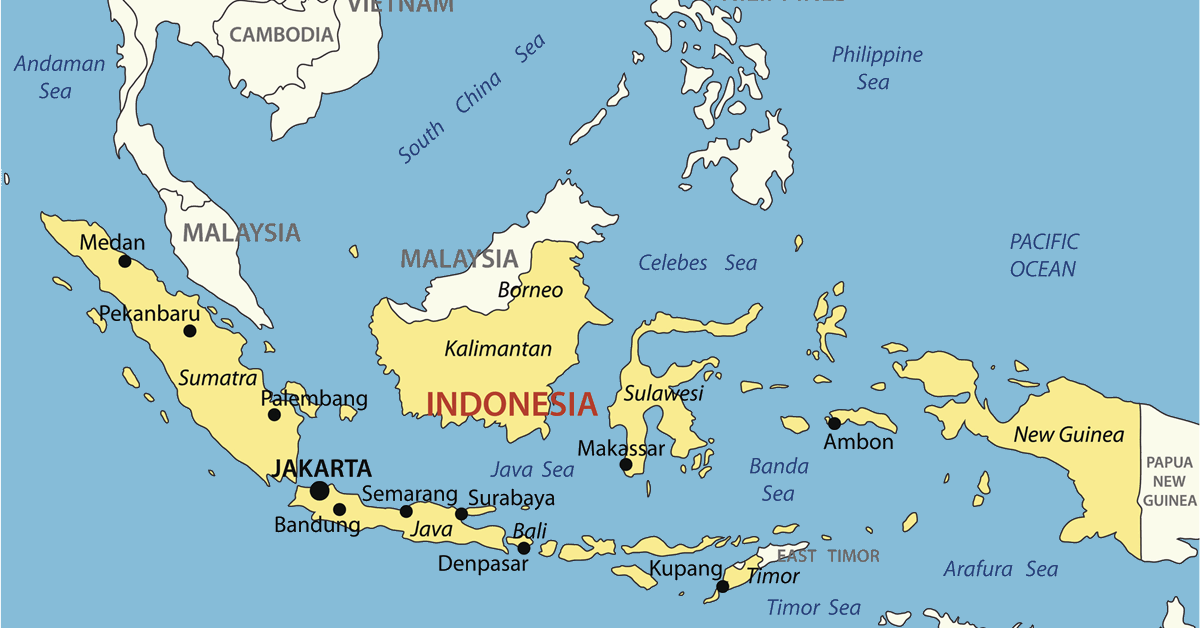
The Mako GSA is a comprehensive agreement covering the sale of 392 trillion British thermal units (Btu) of natural gas, translating to approximately 111 billion Btu per day, throughout the current Duyung Production Sharing Contract (PSC) period until January 2037. This long-term commitment from a state-backed entity like PLN EPI provides exceptional revenue visibility for Conrad, significantly reducing off-take risk. Crucially, the pricing mechanism for Mako gas is linked to the Indonesian Crude Price (ICP), an oil price index that generally tracks Brent. This structure allows Conrad to participate in potential upside from rising commodity prices, distinguishing it from typical fixed-price domestic gas deals. Furthermore, PLN EPI will finance and construct the necessary pipeline infrastructure to connect Mako to the West Natuna Gas line and onward to Batam, relieving Conrad of substantial capital expenditure and execution risk associated with midstream development. This favorable arrangement is expected to strongly support pending farm-out discussions for the Duyung PSC and pave the way for a Final Investment Decision (FID) for the Mako field, underscoring the deal’s importance in moving Mako from discovery to production.
Indonesia’s Growing Energy Appetite and Asia’s Gas Boom
The strategic importance of the Mako GSA extends beyond Conrad’s balance sheet, highlighting the robust and growing gas demand within Indonesia, particularly on Batam Island. This region is experiencing significant energy demand growth, fueled by power requirements from expanding data centers and industrial development. This localized demand perfectly positions Mako as a key domestic supplier, aligning with Indonesia’s broader energy security objectives. More broadly, Asia remains the world’s fastest-growing region for gas consumption, driven by economic expansion and an ongoing energy transition away from coal. Investors frequently inquire about the drivers behind Asian LNG spot prices, and while Mako’s gas is destined for the domestic market rather than export as LNG, the underlying demand drivers are fundamentally similar: industrial growth, urbanization, and a shift towards cleaner burning fuels for power generation. The strong domestic demand illustrated by the Mako deal underscores the inherent value of discovered gas resources in the region and supports the investment thesis for companies focused on Asian gas development.
Current Market Dynamics and Mako’s Price Linkage
The Mako gas price linkage to the Indonesian Crude Price (ICP), which mirrors Brent, directly ties the field’s revenue potential to the global oil market. As of today, Brent crude trades at $94.85, reflecting a marginal daily dip of 0.08% within a range of $94.42 to $94.91. This snapshot follows a more pronounced correction over the past two weeks, during which Brent prices have shed approximately 12.4%, moving from $108.01 to $94.58. This price environment is a critical factor for investors evaluating Mako, as it directly influences the projected revenue stream from the gas sales. While a decline in crude prices could temper initial revenue expectations, the ICP linkage offers an important hedge against inflation and provides upside exposure should oil prices rebound. For investors building a base-case Brent price forecast for the next quarter, understanding this linkage is paramount to assessing Conrad’s future cash flows. The ability to benefit from a rising oil market, rather than being locked into a static domestic gas price, provides a distinct advantage for the Mako project.
Forward Outlook: Catalysts and Strategic Expansion
With the GSA in place, Conrad’s immediate focus shifts to finalizing farm-out arrangements and achieving a Final Investment Decision (FID) for the Mako field. These milestones are critical for unlocking the project’s full value and moving towards commercial production. Looking ahead, the broader energy market will be influenced by several upcoming events. The OPEC+ Joint Ministerial Monitoring Committee (JMMC) meeting on April 18th, followed by the Full Ministerial meeting on April 20th, will provide crucial insights into global crude supply policy. While Mako’s development is project-specific, a stable or appreciating crude price environment, potentially influenced by OPEC+ decisions, creates a more favorable backdrop for securing project financing and facilitating a timely FID. Beyond Mako, this GSA validates Conrad’s strategy of building a significant gas business in Asia, particularly in Indonesia. The company’s portfolio includes additional gas discoveries in Aceh, which could benefit from the blueprint established by the Mako deal. As Asia continues its rapid energy demand growth and transition, companies like Conrad, with proven resources and strategic partnerships, are well-positioned to capitalize on these enduring market trends.


