Trump Administration Unleashes Sweeping Review on Federal Renewable Projects, Bolstering Fossil Fuels
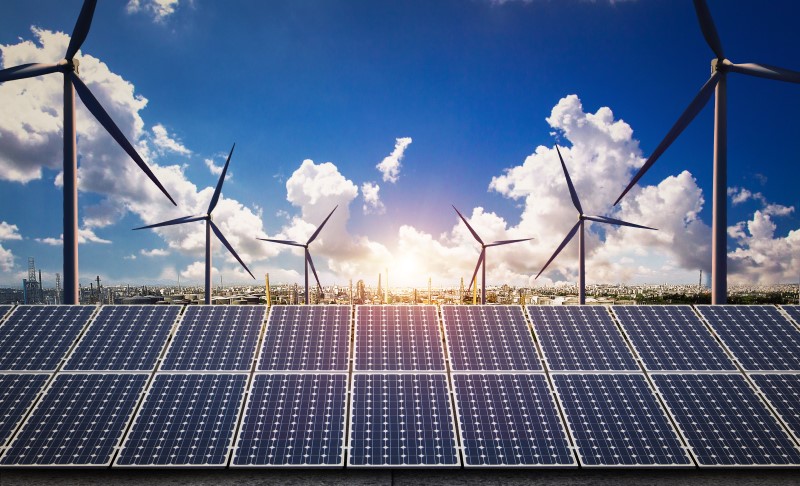
The U.S. energy landscape is bracing for a significant shift as the Trump administration unveils a new directive impacting wind and solar developments on federal lands. This comprehensive mandate, issued by the U.S. Interior Department, introduces a stringent new review process designed to scrutinize and potentially slow the approval of renewable energy projects, a move widely interpreted as a strategic boon for the oil and gas sector.
Elevated Scrutiny for Green Energy Developments
Effective immediately, the directive requires an elevated level of approval from the Office of Interior Secretary Doug Burgum for a broad spectrum of decisions concerning renewable projects. This encompasses everything from critical leases and rights-of-way to construction and operational plans, as well as grants and other related permits. This centralized oversight marks a departure from previous practices, signaling a more hands-on, and potentially more restrictive, approach to green energy development on public lands. For investors monitoring the energy transition, this policy introduces a new layer of regulatory risk for renewable asset deployment.
Undoing “Preferential Treatment” and Eliminating Subsidies
The Interior Department articulated its rationale for the new policy, stating a clear intent to terminate “preferential treatment for unreliable, subsidy-dependent wind and solar energy.” This includes a decisive move to “eliminate longstanding right-of-way and capacity fee discounts for existing and future wind and solar projects.” This action explicitly aims to end what the administration characterizes as years of subsidies for “economically unviable energy development.” For traditional energy investors, this levels the playing field, potentially enhancing the relative competitiveness of conventional fossil fuel projects by stripping away perceived advantages for renewables.
Political Underpinnings and Fossil Fuel Alignment
This policy shift does not occur in a vacuum. It follows a strategic agreement with members of the ultra-conservative House Freedom Caucus, where concessions on renewable energy subsidies were reportedly exchanged for their support of President Donald Trump’s extensive tax and spending package. The administration has consistently voiced skepticism regarding renewable energy sources while simultaneously championing fossil fuels, portraying them as cornerstones of energy independence and economic prosperity. This directive aligns perfectly with that overarching philosophy, signaling a robust commitment to policies that favor oil, natural gas, and coal.
Federal Land’s Energy Footprint in Focus
The Interior Department holds jurisdiction over hundreds of millions of acres of federally owned land and waters, making its policies profoundly influential on U.S. energy production. Currently, federal lands contribute approximately 4% of the nation’s total renewable energy generation. Projections from an Energy Department report had previously estimated this figure could surge to as much as 12.5% by 2035. The new directive casts a shadow over these growth forecasts, suggesting a potential derailment of significant renewable energy expansion on public lands. This re-evaluation of federal land usage priorities could redirect investment capital towards alternative energy development avenues or back into traditional energy plays.
Equinor’s Empire Wind: A Precedent for Future Challenges?
A recent incident involving Equinor ASA’s $5 billion Empire Wind farm off the coast of New York serves as a stark illustration of the administration’s evolving stance. In April, Secretary Burgum temporarily halted work on the massive offshore wind project. While the decision was reversed a month later, it only came after the administration secured a deal with New York Governor Kathy Hochul to facilitate the construction of new gas pipelines within the state. Torgrim Reitan, Equinor’s chief financial officer, subsequently indicated in an interview that further substantial investments in U.S. offshore wind projects are now likely off the table. This episode highlights the administration’s willingness to leverage renewable project approvals to advance its fossil fuel agenda, creating a precarious environment for international and domestic investors in the green energy sector.
Investment Outlook: Delays and Financial Impacts
Industry experts are quickly assessing the ramifications of this new policy. Capstone LLC, a prominent consulting firm, issued a client note stating that the Interior’s new policy will inevitably delay the construction and build-out of solar and wind projects on federal land by significantly lengthening project and construction approval timelines. Jason Grumet, CEO of the American Clean Power Association, underscored the extent of the new bureaucracy, remarking that the Secretary of the Interior will now seemingly “personally reviewing thousands of documents and permit applications for everything from the location and types of fences to the grading of access roads on construction sites across the country.” This level of micro-management introduces substantial uncertainty and cost overruns for project developers, making capital deployment riskier and potentially less attractive for renewable energy ventures.
Industry Reactions and Future Implications
The directive has drawn sharp criticism from environmental advocacy groups. Evergreen Action, for instance, characterized the move as a “politically motivated attack.” Lena Moffitt, the group’s executive director, did not mince words, declaring, “Let’s speak plainly: This is economic sabotage. We can’t afford to let this administration bully an American grown industry out of existence to protect their fossil fuel backers.” For investors, these statements underscore the heightened political and regulatory volatility now inherent in the U.S. renewable energy market. While the immediate impact benefits the fossil fuel sector by reducing competition and regulatory hurdles, the long-term implications for America’s energy transition and global climate commitments remain a significant point of contention and investment risk. The new policy effectively signals a renewed push for traditional energy dominance, redirecting investment flows and reshaping the competitive landscape for years to come.