MidOcean’s Advance on Petronas Canada: A Strategic Bellwether for LNG Investors
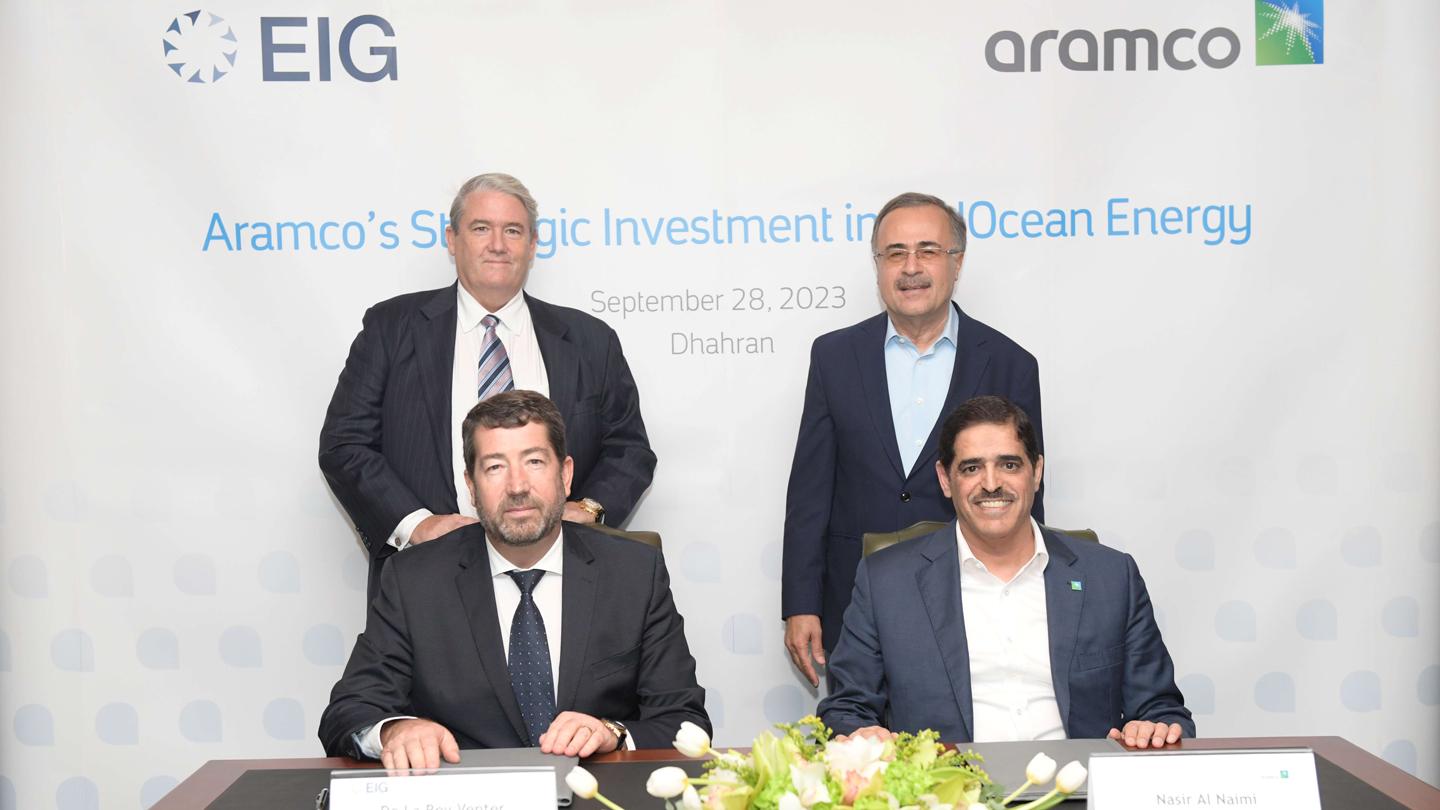
The emerging preference for MidOcean Energy as the buyer for a significant minority stake in Petronas’ Canadian natural gas business marks a pivotal moment in the global liquefied natural gas (LNG) investment landscape. This potential multi-billion dollar transaction, reportedly valued between $6 billion and $7 billion for the entire Canadian unit, underscores the strategic appetite for North American LNG assets, particularly those with established production and export potential. For investors closely monitoring the energy sector, this development signals a renewed confidence in long-term gas demand, driven by energy security imperatives and the ongoing transition away from coal. Backed by private equity giant EIG and the formidable Saudi Aramco, MidOcean’s aggressive pursuit of this stake, including a share in the crucial LNG Canada project, highlights a broader trend of sophisticated capital deploying into high-conviction energy infrastructure plays.
North American LNG: A Cornerstone for Global Portfolios
MidOcean Energy’s strategy appears clear: build a diversified, global LNG portfolio. With existing stakes in Australian and Peruvian export projects and preliminary agreements for the Lake Charles facility in the U.S., the addition of Petronas’ Canadian assets would significantly bolster its North American footprint. These assets, stemming from Petronas’ 2012 acquisition of Progress Energy Resources for approximately C$5.2 billion ($3.8 billion), include vital shale gas resources and, critically, a 25% stake in the LNG Canada joint venture. This project, which also counts Shell Plc, PetroChina Co., Mitsubishi Corp., and Korea Gas Corp. among its participants, represents a direct gateway to key Asian markets. For investors, the appeal lies in Canada’s vast natural gas reserves, its commitment to responsible resource development, and the long-term demand growth from Asia, which continues to drive global LNG spot prices. The strategic logic is compelling: secure robust, long-term supply chains to meet anticipated international demand.
Current Market Signals and Valuation Dynamics for Gas Assets
The timing of this advanced negotiation occurs against a backdrop of dynamic energy markets. As of today, Brent crude trades at $94.93, while WTI crude hovers at $91.29. While these prices reflect a period of relative stability in the last 24 hours, the broader trend has seen Brent crude experience a significant correction, dropping nearly 9% over the past two weeks from $102.22 to $93.22. This fluctuation in benchmark crude prices can indirectly influence the valuation landscape for natural gas assets, as energy commodities are often correlated, though LNG has its own distinct supply and demand fundamentals. Investors, as evidenced by common questions like “What’s driving Asian LNG spot prices this week?”, are keen to understand how global gas demand and supply imbalances are affecting pricing. A robust appetite from Asian markets, particularly given their energy security needs and industrial growth, provides a strong underpinning for the multi-billion dollar valuation of Canadian LNG assets, demonstrating that long-term strategic value often transcends short-term commodity price volatility.
Upcoming Catalysts and Investor Outlook on Energy Markets
The progress of this deal, while significant, also unfolds amidst a series of critical upcoming market events that will shape the broader energy investment climate. For investors asking “Build a base-case Brent price forecast for next quarter” or seeking the “consensus 2026 Brent forecast,” the next few weeks will be telling. The market will be closely watching the OPEC+ Joint Ministerial Monitoring Committee (JMMC) meeting on April 18th, followed by the Full Ministerial Meeting on April 20th. Any decisions regarding production quotas could significantly impact global crude supply and, by extension, influence overall investor sentiment towards capital-intensive energy projects, including LNG. Furthermore, North American supply dynamics will be in focus with the Baker Hughes Rig Count reports on April 17th and 24th, offering insights into drilling activity. Weekly inventory data, such as the API Crude Inventory on April 21st and 28th, and the EIA Weekly Petroleum Status Report on April 22nd and 29th, will provide crucial indicators of immediate supply-demand balances. These events collectively inform the risk-reward calculus for large-scale energy investments like the Petronas Canada stake, providing further context for the ongoing deliberations.
Investment Implications: Private Capital, State Backing, and Sector Consolidation
The potential MidOcean-Petronas deal offers several key takeaways for sophisticated energy investors. Firstly, it underscores the continued robust appetite from private equity for strategic, long-duration energy infrastructure assets, particularly those with clear export pathways. EIG’s involvement highlights the role of financial sponsors in aggregating and optimizing portfolios in a dynamic energy landscape. Secondly, the backing of Saudi Aramco for MidOcean is a powerful signal. It demonstrates a major national oil company’s deliberate pivot and expansion into global gas markets, viewing LNG as a critical component of future energy supply and diversification. This strategic alignment adds significant gravitas and long-term capital commitment to MidOcean’s ventures. While deliberations are ongoing and the possibility of the deal falling apart exists, the fact that MidOcean has emerged as the preferred bidder, with other suitors still interested, indicates fierce competition for high-quality LNG assets. This transaction, if finalized, will serve as a significant data point in the ongoing trend of consolidation and strategic recalibration within the global oil and gas sector, particularly as companies seek to optimize portfolios for the energy transition.