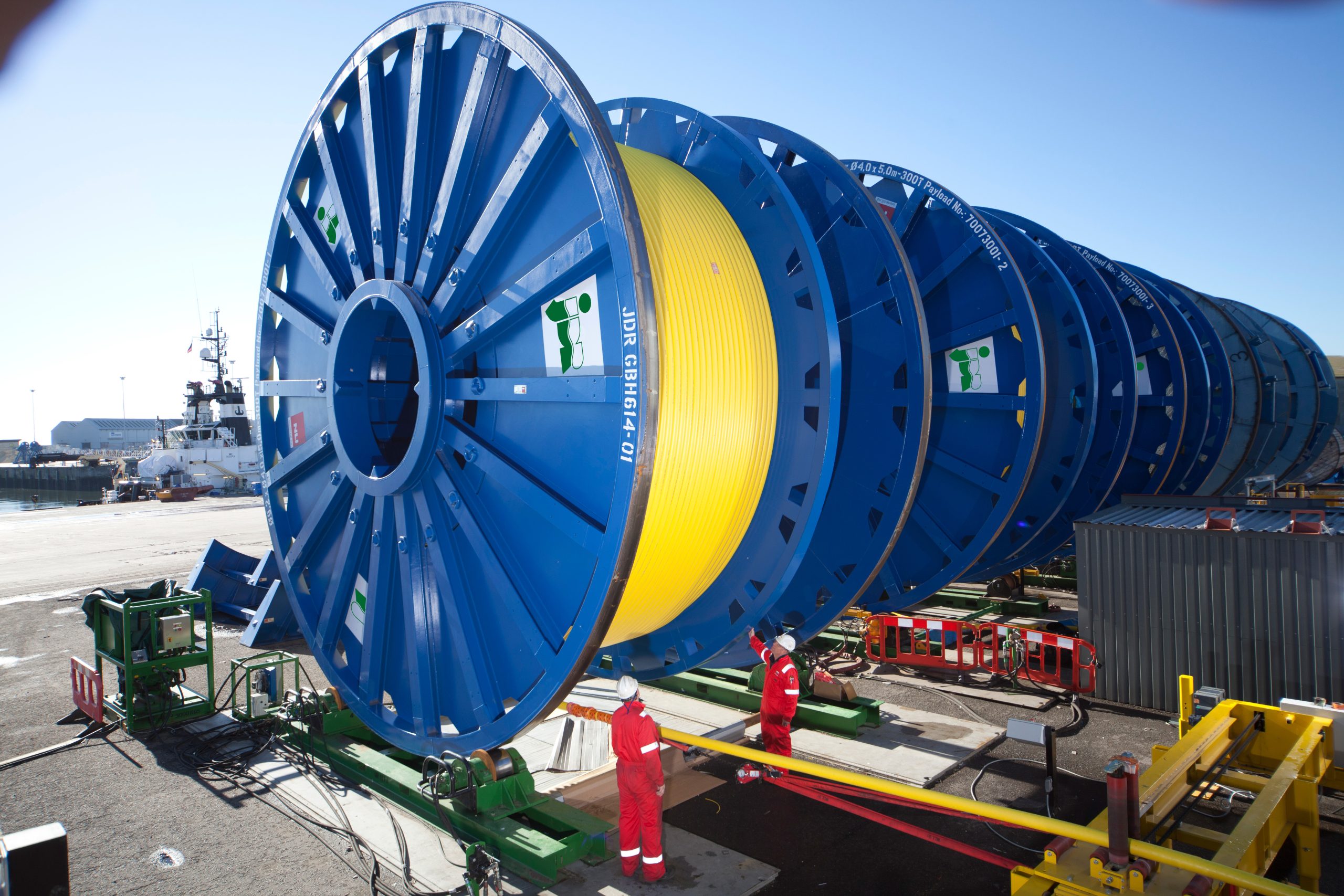
The recent contract awarded to JDR Cable Systems by Larsen & Toubro (L&T) for offshore umbilical testing in the Middle East offers a compelling lens through which to examine broader investment trends in the oil and gas sector. While specific to subsea services, this deal underscores the critical, often understated, role of infrastructure maintenance and specialized technical support in sustaining global energy production. For investors, it highlights the strategic importance of established regions like the Middle East, where long-term production commitments drive consistent demand for high-value services, even amidst volatile crude markets.
Subsea Foundations: The Unseen Bedrock of Offshore Production
JDR’s engagement to test 14 umbilical cables across multiple offshore platforms in the Middle East, encompassing pre-deployment, lay operations monitoring, and integration testing, represents more than just a service contract; it’s an investment in operational resilience. Umbilicals are the lifelines of offshore platforms, integrating hydraulic, electrical, and fiber optic control systems essential for safe and efficient production. The specialized nature of this work, managed from JDR’s UK service center with technicians rotating offshore, speaks to the high barriers to entry and the technical expertise required in the subsea sector. For investors, this segment of the energy value chain offers a degree of stability, as existing infrastructure requires continuous maintenance and upgrades regardless of short-term commodity price fluctuations. The Middle East, with its vast mature offshore fields, remains a crucial market for such specialized services, underpinning long-term production strategies for national oil companies and their partners.
Navigating Volatility: Market Dynamics and Infrastructure Commitment
The current market snapshot provides a critical backdrop for evaluating energy investments. As of today, Brent crude trades at $90.38 per barrel, marking a significant 9.07% daily decline, with its intraday range spanning from $86.08 to $98.97. WTI crude also saw a substantial drop, settling at $82.59, down 9.41%. This sharp daily contraction follows a broader trend; over the past 14 days, Brent has fallen from $112.78 on March 30th to $91.87 on April 17th, representing an 18.5% decrease. Such volatility inevitably raises questions about the pace of new offshore project approvals and the appetite for significant capital expenditure. However, the JDR-L&T deal, focused on sustaining existing production infrastructure, illustrates a crucial counter-narrative: the unwavering commitment to operational integrity in established production hubs. While spot prices fluctuate, the strategic necessity of maintaining high-producing assets in the Middle East ensures sustained demand for critical subsea services, providing a more stable revenue stream for specialized suppliers like JDR.
Forward Outlook: Upcoming Events Shaping Regional Investment
The coming weeks are packed with events that will significantly influence the trajectory of global oil markets and, by extension, investment in key regions. The OPEC+ Joint Ministerial Monitoring Committee (JMMC) meeting on April 18th, followed by the full Ministerial meeting on April 19th, will be closely watched for any signals regarding production policy. Decisions from these meetings could impact Middle Eastern production targets and, consequently, the long-term investment landscape for maintaining and expanding offshore capabilities. Regular data releases, such as the API Weekly Crude Inventory (April 21st, 28th) and the EIA Weekly Petroleum Status Report (April 22nd, 29th), will provide vital insights into supply-demand balances, while the Baker Hughes Rig Count (April 24th, May 1st) will offer a real-time gauge of drilling activity. For investors in subsea infrastructure and services, these events are crucial indicators. Positive signals for sustained or increased production from OPEC+ nations, particularly those in the Middle East, would reinforce the long-term demand for umbilical testing, maintenance, and new subsea installations, making contracts like JDR’s even more strategically significant.
Investor Sentiment: Long-Term Vision Amidst Short-Term Noise
Our proprietary reader intent data reveals a keen investor focus on the long-term outlook for crude prices and regional investment. Queries such as “what do you predict the price of oil per barrel will be by end of 2026?” and specific questions about “OPEC+ current production quotas” underscore a desire to understand the foundational drivers of the market beyond daily fluctuations. The JDR-L&T contract, situated in a region central to OPEC+ production strategies, offers a tangible data point for this long-term view. The decision by L&T to engage JDR for critical testing of 14 umbilicals signals confidence in sustained offshore operations in the Middle East. This commitment to maintaining complex infrastructure, even with today’s Brent price down nearly 10% from yesterday, indicates that major players anticipate a continued need for robust production capacity into the medium and long term. Investors seeking resilient opportunities might look to companies providing essential services and technology to these enduring production centers, as they represent a less volatile exposure compared to direct commodity price speculation, aligning with the strategic necessity of keeping the world’s most productive fields online.


