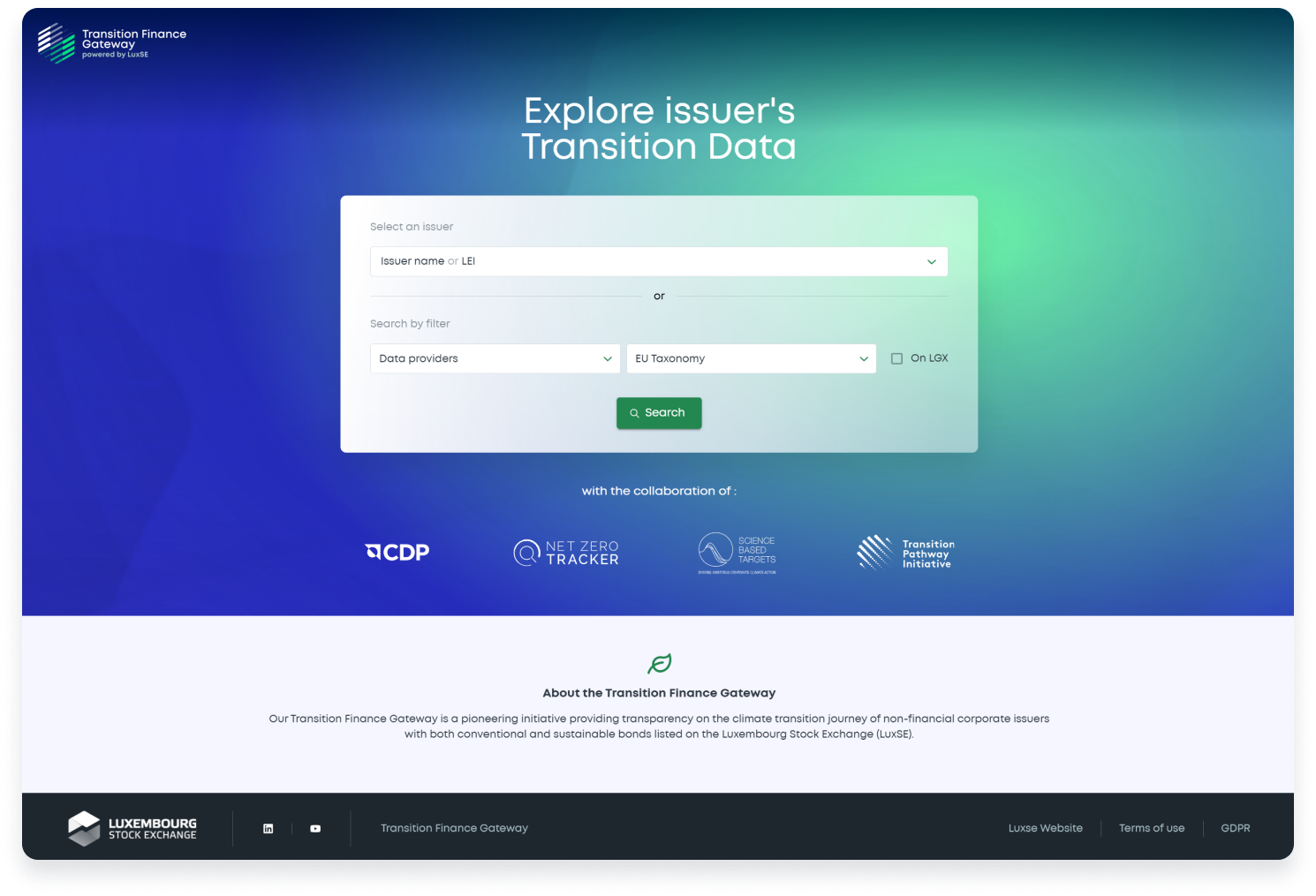
The global energy landscape is undergoing a profound transformation, driven by an accelerating push towards decarbonization and an increasing demand for accountability from investors. In this complex environment, distinguishing genuine climate action from mere aspiration has become a critical challenge for capital allocators. The launch of the Transition Finance Gateway by the Luxembourg Stock Exchange (LuxSE), powered by the robust data from the Net Zero Tracker (NZT), marks a significant step forward, offering investors an unprecedented lens into the credibility of corporate net-zero commitments. For those investing in the oil and gas sector, this new platform provides a vital tool to navigate the inherent risks and opportunities of the energy transition, demanding greater transparency and offering a pathway to more informed capital allocation.
Unpacking Credibility: The Net Zero Tracker’s Rigorous Assessment
In an era often plagued by “greenwashing,” the NZT stands out by moving beyond simple pledges to deliver a forensic analysis of over 4,000 net-zero commitments, including those from the world’s 2,000 largest public companies. This comprehensive database, now integrated into the LuxSE Gateway, scrutinizes commitments against stringent UN Expert Group integrity criteria. For energy investors, this means evaluating whether a company’s net-zero plan genuinely covers Scope 1, 2, and 3 emissions, whether it includes concrete interim targets, if robust governance structures are in place, how carbon offsets are utilized, and the frequency and transparency of progress reporting. This granular detail is invaluable for assessing the long-term viability and resilience of oil and gas companies, helping investors differentiate those truly embracing the transition from those merely paying lip service. It empowers capital to flow towards entities with credible, actionable plans, mitigating the risk of stranded assets and regulatory backlash.
Navigating Volatility: Market Dynamics and the Need for Robust Plans
The urgency for credible transition plans is underscored by the current volatility in the crude markets. As of today, Brent crude trades at $90.38, reflecting a significant 9.07% decline from its daily high, while WTI crude sits at $82.59, down 9.41% in the same period. This sharp downturn is part of a broader trend; over the past two weeks, Brent has dropped from $112.78 on March 30th to $91.87 on April 17th, representing an 18.5% decrease. Such dramatic price swings highlight the inherent risks in the commodity market and emphasize the need for energy companies to build resilience beyond mere production volumes. In this context, demonstrating a robust, independently verified net-zero pathway through platforms like the LuxSE Gateway is not just about environmental stewardship; it’s a strategic imperative. It can enhance a company’s attractiveness to a wider pool of capital, potentially lowering its cost of financing and providing a buffer against market downturns, positioning it for long-term sustainability rather than being solely dependent on fluctuating spot prices.
Forward Outlook: Transition Finance Ahead of Key Energy Events
The strategic importance of credible transition finance extends beyond current market prices, directly influencing an energy company’s ability to navigate future regulatory and geopolitical landscapes. This weekend is particularly critical for the oil market, with the OPEC+ Joint Ministerial Monitoring Committee (JMMC) meeting scheduled for tomorrow, April 18th, followed by the full OPEC+ Ministerial Meeting on Sunday, April 19th. These gatherings hold the potential to reshape global supply dynamics and, consequently, crude prices. While these events dictate near-term market sentiment, the underlying drive for decarbonization continues unabated. For oil and gas companies, a strong performance in transition finance, evidenced by high credibility scores on the NZT, provides a strategic advantage. It signals to investors that they are prepared for a future where carbon pricing, stricter emissions regulations, and evolving energy policies become more prevalent. The upcoming API and EIA weekly petroleum status reports on April 21st and 22nd, respectively, along with the Baker Hughes Rig Count on April 24th, will provide immediate snapshots of supply and demand, but the LuxSE Gateway offers a lens into the long-term readiness of companies to thrive irrespective of short-term market shifts or policy pressures.
Addressing Investor Demands: Clarity in a Shifting Landscape
Our proprietary reader intent data reveals that investors are actively seeking clarity on the trajectory of the energy sector amidst profound uncertainty. Questions like “what do you predict the price of oil per barrel will be by end of 2026?” underscore a pervasive desire to understand future market conditions. While the NZT and LuxSE Gateway do not offer price predictions, they provide an essential framework for evaluating which energy companies are best positioned to navigate a future with potentially lower carbon demand and tighter environmental regulations. When investors ask, “How well do you think Repsol will end in April 2026?”, the answer is increasingly tied not just to production volumes or quarterly earnings, but also to the integrity and transparency of its climate transition plan. The ability to benchmark an issuer’s net-zero commitments against stringent criteria, including Scope 1, 2, and 3 emissions coverage, interim targets, and robust governance, offers a critical dimension to investment analysis. This level of scrutiny helps investors identify companies building genuine resilience and adaptability, distinguishing them from those whose climate claims may be more aspirational than actionable.
A Strategic Imperative for Energy Issuers
For non-financial corporate debt issuers within the oil and gas sector, leveraging the LuxSE Transition Finance Gateway is not merely an exercise in compliance; it’s a strategic imperative. By submitting their transition plans for assessment against NZT’s criteria, companies gain a clear benchmark against sector and regional peers. This transparency not only helps align with evolving investor expectations but also provides a practical roadmap for strengthening their climate strategies. In a competitive capital market increasingly prioritizing ESG factors, demonstrating verifiable progress towards net-zero can significantly enhance an issuer’s appeal, potentially opening access to sustainability-linked financing and a broader investor base. This platform transforms the challenge of climate accountability into an opportunity for strategic differentiation, ensuring that capital is directed towards those energy companies genuinely committed to, and capable of, a credible energy transition.


