The Enduring Quest for Energy Stability: Hydropower in a Volatile Market
The global energy landscape continues to present a complex picture for investors. While headlines often focus on geopolitical tremors and their immediate impact on crude prices, a deeper analysis reveals a persistent underlying demand for stability and reliability across the energy spectrum. As of today, April 15, 2026, Brent Crude trades at $95.63, reflecting a modest daily gain of 0.89%. Yet, this daily uptick follows a notable downward trend over the past two weeks, with Brent having shed approximately $9, or 8.8%, from $102.22 on March 25th to $93.22 just yesterday. This volatility underscores a critical challenge: securing consistent, firm power in an era of rapid energy transition. Against this backdrop, the conversation is expanding beyond traditional hydrocarbons to evaluate reliable renewable sources, with hydropower emerging as a compelling candidate to shore up tomorrow’s grids.
Oil Market Dynamics: A Catalyst for Broader Energy Investment
Current market movements in crude oil often serve as a bellwether for the broader energy sector, influencing investment sentiment even for alternative sources. While some forecasts for 2025 have speculated on a potential drop to $50-$60 a barrel, a stark contrast to today’s Brent Crude price of $95.63, the immediate reality for investors is a market grappling with supply-demand balances and geopolitical risk. WTI Crude, for instance, sits at $92.20, mirroring Brent’s upward daily movement. This sustained strength, despite short-term dips, highlights the continued dependence on fossil fuels. However, this very volatility, exemplified by a recent sharp sell-off despite Middle East tensions, prompts investors to seek long-term stability elsewhere. Our reader intent data shows a clear investor focus on market fundamentals, with frequent inquiries about a “base-case Brent price forecast for next quarter” and the “consensus 2026 Brent forecast.” These questions signal a strategic shift in investor thinking, moving beyond daily trading to understand the foundational elements of energy security. It is precisely this quest for foundational stability that brings reliable renewables like hydropower into sharp focus.
Hydropower: A Cornerstone for Grid Resilience
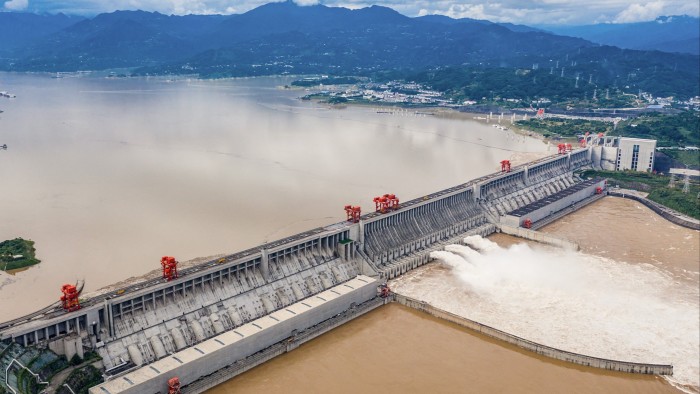
The reliability of electricity grids is paramount, and recent events, such as a significant power outage in Spain, have amplified concerns about the intermittency of certain renewable sources. While the exact causes of such blackouts are often complex, they invariably highlight the need for ‘firm power’ – electricity that is available precisely when needed, regardless of weather conditions. Unlike solar and wind, which are subject to climatic variability, hydropower offers dispatchable generation, capable of responding rapidly to fluctuations in demand and supply. This capacity for quick ramp-up and ramp-down makes it an invaluable asset for grid balancing and stability. A recent report from the International Hydropower Association reinforces this perspective, positioning hydropower as a crucial component for a resilient electricity infrastructure. For investors examining the long-term energy transition, understanding how sources like hydropower provide this critical firm power becomes as important as tracking crude inventories or refining margins.
Navigating Upcoming Events and Future Energy Outlooks
The coming weeks present several key events that will shape the traditional oil and gas landscape, offering insights into broader energy investment strategies. The Baker Hughes Rig Count on April 17th and again on April 24th will indicate drilling activity and future supply potential. More critically, the OPEC+ Joint Ministerial Monitoring Committee (JMMC) meeting on April 18th, followed by the full OPEC+ Ministerial Meeting on April 20th, will provide crucial signals regarding production quotas. These decisions directly influence global crude prices and the economic viability of energy projects worldwide. While these events predominantly affect the hydrocarbon sector, their outcomes indirectly influence the attractiveness of alternative energy investments. A tightening oil market, for example, could accelerate the push towards renewable alternatives. Investors are acutely aware of these interdependencies, as evidenced by questions regarding “Chinese tea-pot refineries running this quarter” and “Asian LNG spot prices this week,” demonstrating a comprehensive view of global energy demand and supply dynamics. As these short-term market catalysts unfold, the long-term imperative for secure, consistent power delivery continues to elevate the strategic importance of hydropower and other firm renewable assets.
Investment Horizons: Diversifying Beyond the Barrel
The investment narrative in energy is evolving rapidly. While the immediate focus might be on crude prices hovering near $95.63 or the implications of upcoming OPEC+ decisions, savvy investors are increasingly looking at the bigger picture of energy security and sustainability. Hydropower projects, with their significant upfront capital requirements and long operational lifespans, represent a different kind of energy investment compared to the often-volatile oil and gas market. They offer predictable generation, contribute to grid stability, and align with global decarbonization goals. While the challenges of project development, environmental impact assessments, and regional water management are substantial, the promise of a reliable, low-carbon baseload power source remains compelling. For those seeking to build a resilient portfolio in the energy sector, understanding the role of technologies like hydropower, which can provide the firm power that intermittent renewables often lack, is no longer an optional consideration but a strategic imperative. The future of energy investment will undoubtedly require a balanced approach, where the enduring value of reliable power generation, regardless of its source, will dictate long-term success.