The strategic landscape of global oil supply has seen a critical shift, as major European energy companies initiate staff evacuations from vital oilfields in southern Iraq. BP, TotalEnergies, and Eni have confirmed pulling some foreign personnel from key operational areas like Rumaila and Zubair. This decisive, precautionary move underscores a rapidly escalating risk profile in the Middle East, fueled by fears of Iranian retaliation against perceived US and Israeli aggressions, potentially targeting crucial energy infrastructure. While Iraqi state-run Basra Oil Company assures that local staff maintain operations and production remains unaffected for now, the departure of international expertise is a stark signal that investors cannot ignore. This development introduces a new layer of geopolitical uncertainty over a region already critical to global crude flows, demanding a re-evaluation of supply stability and potential price trajectories.
Oil Majors Signal Heightened Regional Risk
The withdrawal of international staff from Iraq by BP, TotalEnergies, and Eni is not merely a logistical adjustment; it’s a profound statement on the perceived security threats in a region vital for global oil supply. Eni, for instance, has significantly reduced its on-the-ground presence at the Zubair oil and gas field, cutting its foreign personnel from 260 to just 90. TotalEnergies has similarly evacuated 60% of its staff. BP, a key operator at the giant Rumaila oilfield through a joint venture, also confirmed relocations as a precautionary measure. These actions by seasoned operators, deeply embedded in the complexities of Middle Eastern energy production, suggest a credible threat assessment that warrants immediate investor attention.
Despite these clear signals of escalating risk, the immediate market reaction has been somewhat muted. As of today, Brent crude trades at $93.22 per barrel, reflecting an 8.8% decline over the past 14 days from its $102.22 high. This suggests that while geopolitical tensions are high, traders are currently weighing broader demand signals and perhaps view the current evacuations as a limited, temporary measure rather than an imminent, widespread supply disruption. However, this apparent market calm could be fragile, potentially underpricing the mounting risk. The continued operation by local staff in Iraq temporarily mitigates direct supply hits, but the departure of foreign personnel often signals a loss of specialized oversight and a potential increase in operational risk, should the situation deteriorate further.
Iran’s Strategic Options and Vulnerable Iraqi Infrastructure
The core of the escalating risk lies in the potential for Iranian retaliation following recent US airstrikes on Iranian nuclear sites. Tehran’s top military commander has asserted the country’s right to retaliate against US interests, with some reports already citing missile strikes at US bases in Qatar and Iraq. The concern for energy markets is the direct targeting of Western energy infrastructure, or the activation of Iran-backed militias in Iraq to launch such attacks. These militias, while previously hesitant to engage in certain regional conflicts, could be brought under “serious pressure” by Iranian leadership if the regime’s survival is perceived to be at stake, according to former intelligence analysts. This scenario presents a clear and present danger to energy assets, as it remains one of the most potent ways for Iran to impose costs on the West.
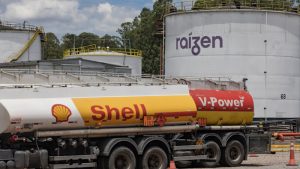
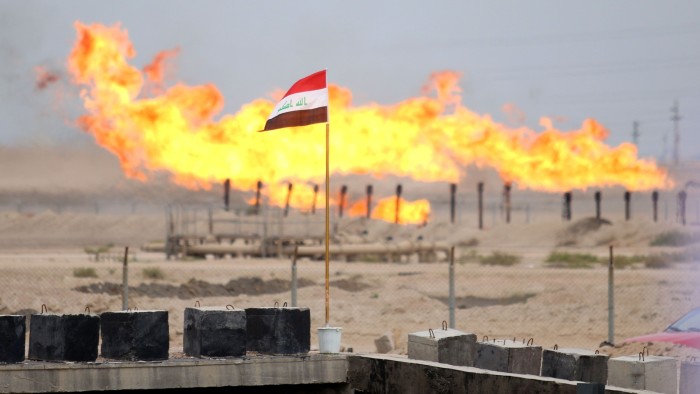
Iraq’s southern oilfields, particularly Rumaila and Zubair, are strategically significant, not only for their massive output but also for their proximity to the Iranian border. Any disruption here would have immediate global repercussions. Furthermore, the presence of other international ventures, such as Shell’s involvement in the Basra Gas Company, which captures and processes flared gas, highlights the broader vulnerability of Iraq’s energy sector. An attack on these facilities would not only remove significant volumes from the global market but also inject a substantial geopolitical risk premium into oil prices, affecting everything from refining margins to consumer costs.
Investor Sentiment: Navigating Uncertainty and Price Forecasts
OilMarketCap’s proprietary reader intent data reveals a heightened focus on future price trajectories, with investors keenly asking for base-case Brent price forecasts for the next quarter and consensus 2026 projections. This reflects a clear desire to understand how current geopolitical flashpoints will translate into market fundamentals. The current market’s relatively subdued reaction to the Iraq evacuations, despite the significant implications for supply stability, suggests investors are grappling with how to price in this elevated risk.
Many investors are likely weighing the immediate threat against existing supply buffers and demand forecasts, particularly from key consuming nations like China. However, the withdrawal of majors signals a shift in the underlying risk calculation that could easily trigger a sharp upward correction in prices. The potential for a “geopolitical risk premium” to be re-introduced into Brent prices is substantial. Should any actual disruption occur, or if the situation further escalates, the market could quickly price in a significant premium, moving away from the current range and potentially revisiting the $100+ levels seen earlier this year. Investors should carefully consider the possibility that current prices may not fully reflect the true downside risk to supply from the Middle East.
Upcoming Events to Shape Supply Dynamics
Looking ahead, the next two weeks are packed with critical events that will further shape the oil market’s response to this heightened risk in the Middle East. Foremost among these are the upcoming OPEC+ meetings: the Joint Ministerial Monitoring Committee (JMMC) on April 18th, followed by the Full Ministerial Meeting on April 20th. These gatherings will be crucial for assessing how the escalating geopolitical tensions, particularly the threat to Iraqi production, might influence the cartel’s output decisions. Will OPEC+ maintain current production cuts, or will the growing specter of supply disruption compel them to adjust their strategy to stabilize markets or capitalize on higher prices? Their collective stance will significantly impact global supply balances.
Complementing these policy decisions will be the weekly inventory data from the API (April 21st, 28th) and the EIA’s Weekly Petroleum Status Report (April 22nd, 29th). In a period of elevated supply risk, these reports become even more critical for gauging the health of existing inventory buffers. Strong draws could amplify concerns about potential supply shortfalls, while unexpected builds might temporarily assuage fears. Additionally, the Baker Hughes Rig Count on April 17th and 24th will provide insights into future drilling activity, offering a longer-term perspective on supply capabilities. Investors should closely monitor these upcoming data points and policy announcements, as they will provide key signals on how the market is truly digesting the profound implications of the unfolding situation in Iraq and the broader Middle East.