Strait of Hormuz: A Fragile Peace Tests Global Oil Flows in April 2026
The geopolitical tremors emanating from the Middle East continue to send ripples through global energy markets, as the vital Strait of Hormuz remains a flashpoint of contention between the United States and Iran. In April 2026, despite a recently brokered temporary ceasefire, the strategic waterway witnesses severely depressed tanker traffic, underscoring the profound instability impacting the world’s crude oil supply. Investors closely monitoring the energy sector understand that stability in this critical maritime corridor is paramount for global economic health and predictable oil pricing.
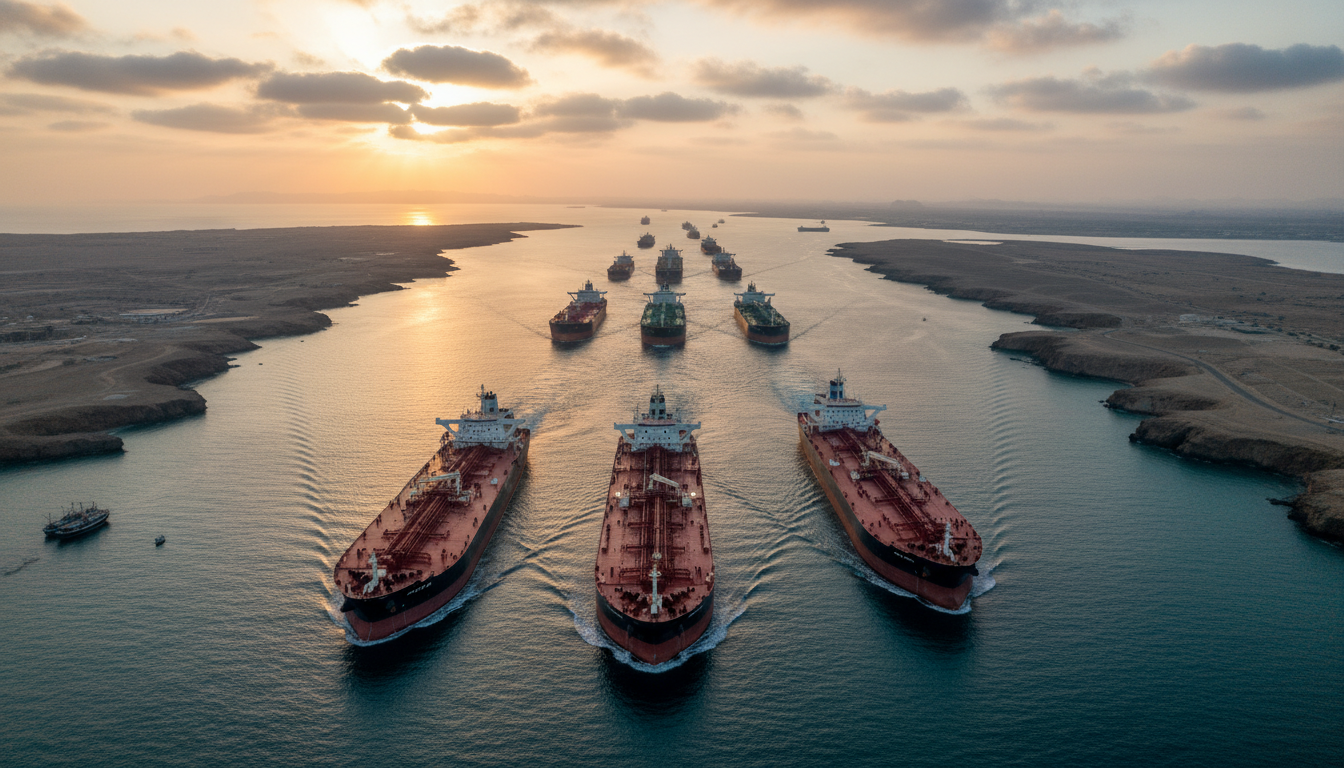
This week, a mere nine oil tankers have successfully navigated the Strait of Hormuz, a stark indicator of the ongoing challenges. On Wednesday, the Very Large Crude Carrier (VLCC) named the RHN, capable of transporting approximately two million barrels of oil, entered the strait from the Gulf of Oman. Although sailing under the flag of Curacao, a Caribbean island, this behemoth of global oil transport is owned by a Chinese company, highlighting the international stakes involved. Earlier in the week, specifically on Tuesday, another VLCC, the Alicia, successfully transited the strait into the Persian Gulf. Overall, Tuesday saw at least four tankers of various sizes complete their journeys either exiting or entering the strategic passage, according to maritime data.
Navigating the Scarcity: Tanker Traffic Dips Dramatically
The current tanker movements represent only a fraction of historical volumes. Traffic on Tuesday, April 7, 2026, plummeted to 90% below the levels recorded on February 27, 2026 – merely a day before the initial attack by the U.S. and Israel on Iran. This precipitous decline in maritime activity during the conflict reflects the very real threat of Iranian attacks, creating an environment of extreme risk for shipping companies and their crews. Even following the U.S. and Iran reaching a ceasefire agreement on April 7, 2026, the volume of transits has regrettably remained exceptionally low, signaling deep-seated caution within the shipping industry and among oil producers.
The enduring low traffic levels illuminate the persistent struggle for control over the Strait. The U.S. Navy has implemented a comprehensive blockade on maritime traffic destined for or departing from Iranian ports. This action followed the collapse of negotiations aimed at ending the protracted conflict over the preceding weekend. Conversely, Iran has consistently asserted its sovereignty and control over the sea lane, complicating any easy resolution. This standoff has transformed what was once the backbone of global oil trade into an unpredictable and perilous passage.
The Global Economic Repercussions: An Unprecedented Supply Shock
For investors focused on oil and gas, the Strait of Hormuz is more than just a waterway; it is an artery of global commerce. Before the outbreak of hostilities, an astounding 20% of the world’s crude oil supplies flowed through this narrow channel. The current collapse of tanker traffic through the Strait has triggered what analysts are now deeming the largest oil supply disruption in recorded history. This unprecedented shock sends reverberations across global energy markets, impacting everything from crude futures to gasoline prices at the pump, ultimately threatening broader economic stability.
The International Energy Agency (IEA) recently underscored the gravity of the situation. In their assessment released earlier this week, the IEA stated unequivocally that “resuming flows through the Strait of Hormuz remains the single most important variable in easing the pressure on energy supplies, prices and the global economy.” This declaration serves as a stark reminder to investors and policymakers alike of the Strait’s indispensable role. The continued closure or severely restricted access directly translates to higher energy costs, increased inflationary pressures, and a significant drag on global economic growth. Oil market participants must remain acutely aware that any resolution, or further escalation, in this geopolitical hot zone will have immediate and profound consequences for their portfolios.
Investor Outlook: Navigating Uncertainty in the World’s Energy Chokepoint
For strategic investors in the oil and gas sector, the ongoing situation in the Strait of Hormuz presents both immense risk and potential opportunity. Companies with diversified supply chains or those capable of accessing alternative shipping routes may mitigate some exposure, but the sheer volume of crude that historically transited this choke point means no entity is fully immune. Energy security remains a paramount concern for nations globally, and the continued uncertainty around Hormuz forces a reevaluation of long-term investment strategies.
As long as the contest for control persists and tanker traffic remains suppressed, global crude oil prices will likely exhibit heightened volatility. Any news of increased military activity, diplomatic breakthroughs, or failures in negotiation will swing markets dramatically. Savvy investors will closely monitor geopolitical developments, crude inventory levels, and the progress of U.S.-Iran relations, understanding that the path to energy market stability hinges almost entirely on the unfettered passage of vessels through this indispensable and highly contested waterway.


