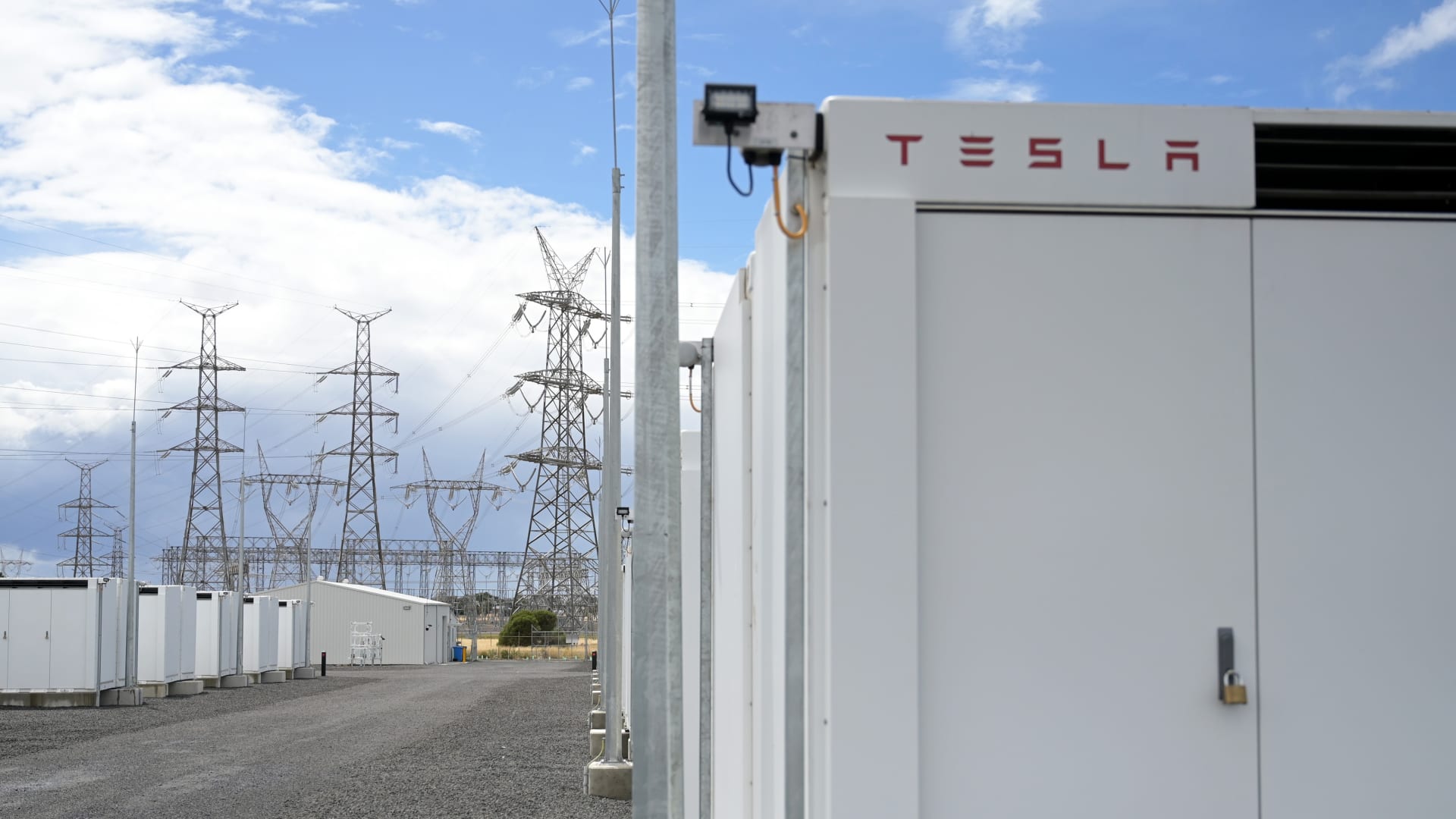
The global energy landscape is undergoing a profound transformation, and recent developments in China offer a stark illustration of this shift. Tesla’s recent deal to construct China’s largest grid-scale battery power plant, a substantial $556 million investment, marks a pivotal moment for renewable energy integration and grid stability in the world’s largest energy consumer. For oil and gas investors, this isn’t merely a headline about a tech company; it’s a powerful signal regarding the future trajectory of global energy demand and the evolving strategic priorities of major economies. Understanding the implications of such large-scale energy storage deployments is crucial for navigating the complex interplay between traditional hydrocarbon markets and the accelerating energy transition.
China’s Megapack Gambit: Stabilizing the Grid, Shifting Demand
Tesla’s landmark agreement to deploy its Megapack battery systems in China represents more than just a significant deal for the company; it’s a strategic move by Beijing to bolster its grid infrastructure. This project, which will be China’s largest grid-side energy storage system, aims to serve as a “smart regulator” for urban electricity, addressing the inherent intermittency of rapidly expanding solar and wind generation. With Tesla’s Shanghai factory already producing over 100 Megapacks in the first quarter, the scale of this ambition is clear. Utility-scale battery storage is an indispensable component for grids increasingly reliant on renewables, ensuring supply-demand balance and preventing costly blackouts. From an investor perspective, this aggressive push into energy storage by China, a nation that still drives a significant portion of global oil and gas demand growth, suggests a long-term commitment to reducing reliance on fossil fuels for power generation. While the immediate impact on crude demand is indirect, the underlying strategic intent to diversify and de-carbonize its energy mix cannot be overlooked, shaping the long-term demand outlook for gas-fired power plants and potentially industrial fuel consumption.
Current Market Dynamics: Crude Prices and the Energy Transition Headwind
Against the backdrop of these long-term structural shifts, the crude market continues to grapple with immediate supply-demand fundamentals. As of today, Brent crude trades at $94.6 per barrel, a slight dip of 0.2% on the day, with an intraday range spanning $91 to $96.89. This reflects a broader trend; over the past fortnight, Brent has shed nearly 8.8%, or $9, from its March 25th peak of $102.22 to $93.22 yesterday. This recent softness in crude prices, despite persistent geopolitical tensions, underscores a market grappling with demand uncertainty and evolving supply dynamics. While the Tesla deal in China won’t directly impact tomorrow’s crude price, it highlights a crucial long-term headwind: the increasing efficiency and deployment of alternative energy solutions. Every gigawatt-hour of storage capacity added to a grid makes renewable energy a more reliable and viable alternative, incrementally reducing the need for flexible fossil fuel power generation. For oil and gas investors, this sustained investment in renewables infrastructure by major economies like China suggests a potential long-term ceiling on demand growth for certain fossil fuel segments, even if short-term demand remains robust.
Investor Focus: China’s Demand Trajectory and Strategic Autonomy
Our proprietary reader intent data reveals a consistent focus among investors on critical questions like “Build a base-case Brent price forecast for next quarter,” and “How are Chinese tea-pot refineries running this quarter?” These questions underscore the market’s reliance on China’s demand profile. Tesla’s Megapack deal directly influences this perspective. China’s investment in grid-scale batteries is not just about environmental goals; it’s also about energy security and strategic autonomy, especially amid strained U.S.-China relations. By enhancing grid stability and enabling greater integration of domestic renewable sources, China reduces its reliance on imported fossil fuels, including LNG and crude. While “tea-pot” refineries will continue to process crude for transportation and petrochemicals in the near term, the broader energy strategy points to a gradual shift away from hydrocarbon dependency where feasible. This long-term strategic pivot could temper future growth expectations for Chinese fossil fuel demand, necessitating a recalibration of investment theses that heavily rely on sustained, aggressive demand expansion from the Asian giant. Moreover, with domestic players like CATL and BYD fiercely competing in the battery market, the strategic importance of this sector to China’s industrial future is undeniable, further embedding the energy transition into national policy.
Navigating Volatility: Upcoming Catalysts for Oil & Gas Investors
While the long-term energy transition narrative, exemplified by China’s battery rollout, continues to unfold, the market awaits several key data points and events that will shape the immediate future of oil prices. Critical for crude supply dynamics will be the OPEC+ Joint Ministerial Monitoring Committee (JMMC) meeting on April 18th, followed by the full Ministerial Meeting on April 20th. These gatherings often signal shifts in production policy that can send ripples through the market, directly impacting supply-side economics. Investors will be scrutinizing any indication of quota adjustments or adherence rates, which could significantly influence the supply-demand balance. Closer to home, the recurring Baker Hughes Rig Count on April 17th and April 24th will offer insights into North American production trends and potential future supply. Furthermore, the weekly API and EIA crude inventory reports, scheduled for April 21st/22nd and April 28th/29th, will provide crucial real-time snapshots of U.S. supply and demand, often driving short-term price volatility. These short-term catalysts will dictate near-term price movements, creating tactical trading opportunities and risks, even as the long-term structural shifts in global energy consumption patterns continue to necessitate a strategic re-evaluation of portfolios.


