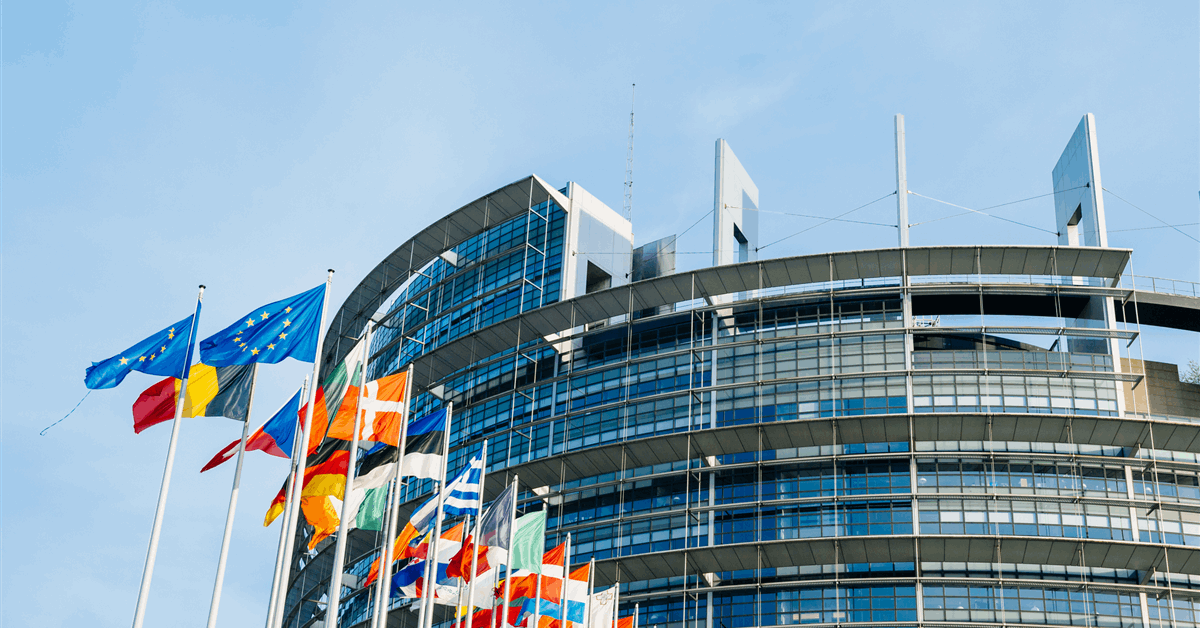
The European Union is making a renewed push for a cohesive, secure, and affordable energy future with the launch of its Energy Union Task Force. This initiative, spearheaded by the European Commission and the Polish Presidency, signals a high-level commitment to better coordination on critical energy policy issues. For oil and gas investors, this development is more than just another bureaucratic exercise; it represents a strategic pivot that could reshape investment landscapes, influence long-term demand dynamics, and drive significant infrastructure developments across the continent. In an era marked by persistent market volatility, understanding the EU’s internal energy strategy becomes paramount for predicting future asset performance and identifying emerging opportunities.
Navigating Volatility: EU’s Energy Union Amidst Market Flux
The newly formed Energy Union Task Force, comprising senior representatives from the Commission and member states, aims to foster cooperation on key energy policy challenges. While it operates as an informal arrangement without direct legal mandate, its reporting line to the President of the European Commission and the European Council underscores its political weight and strategic importance. This push for unified energy action comes at a particularly sensitive time for global energy markets. As of today, Brent crude trades at $94.78 per barrel, experiencing a modest daily dip of 0.73%, with its day range fluctuating between $93.98 and $95.69. WTI crude similarly reflects market caution, priced at $86.50 and down 1.05% for the day. These immediate movements, however, are set against a backdrop of significant recent downturn; Brent has shed nearly 20% of its value, falling a substantial $23.49 from $118.35 just three weeks ago. This pronounced volatility amplifies the EU’s imperative to secure its energy supply and stabilize pricing for its citizens and businesses, making the Task Force’s mandate to achieve a “secure, clean, and affordable energy system” all the more critical.
Infrastructure Maximization and Interconnectivity: A Catalyst for Investment?
A core pillar of the Task Force’s agenda is the optimization of existing energy infrastructure and the acceleration of interconnectivity among member states. This focus extends to enhancing coordination in grid and energy system planning, and supporting the implementation of national action plans. For investors, these priorities present tangible opportunities and risks. The emphasis on maximizing infrastructure utilization could translate into renewed interest in midstream assets, particularly natural gas pipelines and storage facilities that can be repurposed or upgraded for hydrogen or other green gases. Companies involved in cross-border energy transmission stand to benefit from the drive for greater interconnectivity. With financial backing from the European Investment Bank (EIB) and the Agency for the Cooperation of Energy Regulators (ACER), the Task Force has the resources to catalyze projects that might otherwise face funding hurdles. Investors frequently ask about the future trajectory of oil prices and the long-term viability of hydrocarbon assets within Europe; the Task Force’s explicit focus on optimized infrastructure suggests a pragmatic approach to existing assets, potentially extending their useful life or re-purposing them for new energy vectors, rather than an immediate, wholesale abandonment of traditional energy carriers.
Political Momentum Meets Market Realities: Upcoming Milestones
The Task Force’s primary objective is to provide political momentum to overcome obstacles hindering a genuine Energy Union. While informal, this “political momentum” can translate into legislative proposals and investment directives down the line, affecting long-term supply and demand for various energy sources within the EU. The next crucial milestone for this initiative is its upcoming meeting, planned for early September, where the Task Force will discuss its “first concrete policy items.” The outcomes of this meeting could shape investor sentiment and provide early indications of the EU’s strategic direction. This timing is significant as it will follow several key market events that investors will be closely watching, including today’s OPEC+ JMMC Meeting, which will assess global oil market conditions, and the weekly EIA Petroleum Status Reports and Baker Hughes Rig Counts, which offer crucial insights into U.S. supply dynamics. Moreover, the EIA’s Short-Term Energy Outlook, due on May 2nd, will provide a forward-looking perspective on global energy markets. Any robust policy direction emerging from the EU Task Force could provide a counter-narrative or complementary context to these global supply-side signals, particularly concerning European demand management and energy diversification efforts.
Investor Outlook: Deciphering the EU’s Long Game for Energy Security
For investors grappling with questions like “is WTI going up or down?” or seeking predictions for the “price of oil per barrel by end of 2026,” the EU’s strategic moves are a critical component of the global energy puzzle. The Task Force’s mission to create a secure, clean, and affordable energy system directly addresses the core concerns of energy markets. Its focus on enhanced coordination and infrastructure could lead to a more stable, predictable regulatory environment for energy projects in Europe, potentially attracting capital to both traditional and renewable energy sectors. Companies with significant European footprints, such as Repsol, which readers are asking about regarding their April 2026 performance, will undoubtedly be watching how these policy discussions translate into actionable investment frameworks. The emphasis on interconnectivity could also pave the way for increased cross-border electricity trade and a more integrated European gas market, reducing reliance on single suppliers and mitigating price shocks. Ultimately, while the immediate impact of an informal task force may seem limited, its potential to align member state interests and drive political will toward a unified energy policy holds profound long-term implications for the stability, security, and profitability of the European energy sector.


