Australia’s Coorong: A Bellwether for Intensifying Eco-Scrutiny in Energy
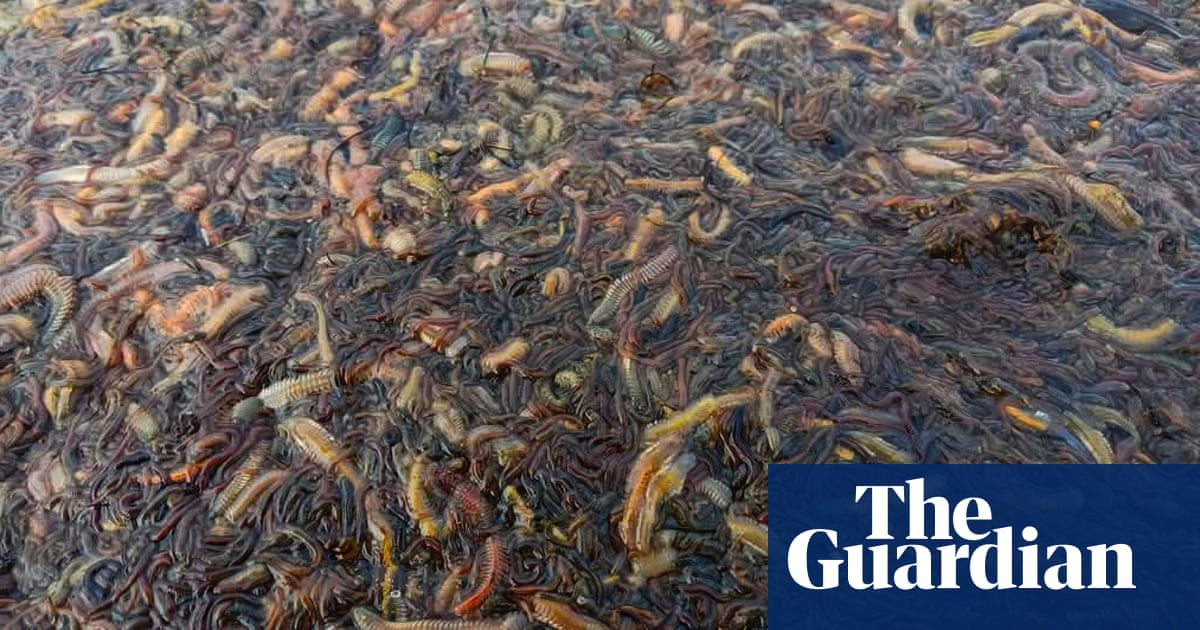
The ecological crisis unfolding in South Australia’s Coorong region serves as a stark and urgent reminder of the escalating environmental risks facing global industries, including oil and gas. What began as a distinctive “dark, orangey-brown” discoloration of the water, quickly escalated into a severe algal bloom, transforming the vibrant wetland into a “slurry of dead worms” and claiming over 200 different marine species. This devastating event, driven by a persistent marine heatwave, nutrient enrichment, and historical hydrological changes, underscores a critical shift: environmental degradation is no longer a peripheral concern, but a direct and growing threat to operational stability, regulatory compliance, and investor confidence across the energy sector.
Market Volatility Amidst Mounting Environmental Pressures
As of today, the energy markets reflect significant volatility, with Brent crude trading at $90.38, marking a notable 9.07% decline within a day’s range of $86.08 to $98.97. WTI crude has similarly experienced a sharp drop, falling 9.41% to $82.59, with its daily range between $78.97 and $90.34. This immediate downturn follows a challenging period for crude prices, as Brent had already shed $20.91, or 18.5%, from its $112.78 peak on March 30 to $91.87 just yesterday. While geopolitical tensions and fluctuating demand signals are primary drivers of such rapid price movements, the increasing frequency and severity of ecological incidents like the Coorong algae bloom introduce an additional layer of complexity for investors. These environmental events, particularly in sensitive regions, elevate the perceived regulatory risk for energy projects, potentially impacting timelines, increasing compliance costs, and influencing supply forecasts. The market’s current oscillations are a testament to the intricate interplay between traditional supply-demand fundamentals and the burgeoning weight of environmental, social, and governance (ESG) considerations.
Investor Focus: Long-Term Prices, Quotas, and Corporate Resilience
Our proprietary reader intent data highlights a clear investor focus this week on the future trajectory of the energy market, with frequent inquiries about crude oil price predictions for the end of 2026 and current OPEC+ production quotas. The Coorong incident, while localized, contributes to a broader narrative that shapes these long-term outlooks. The intensified eco-scrutiny stemming from such events directly impacts the energy transition narrative, potentially accelerating demand shifts in some sectors and making new upstream project approvals more challenging due to heightened environmental impact assessments. This can lead to a paradoxical scenario where short-term supply constraints, driven by regulatory hurdles or project delays, might support prices, even as long-term demand erosion looms larger due to environmental mandates and innovation.
The current OPEC+ production quotas are, therefore, not just about immediate supply management; they are strategic decisions made against a backdrop of evolving global energy demand and increasing pressure for sustainable practices. These decisions must increasingly factor in the potential for environmental policies to influence long-term consumption patterns. Furthermore, investors are intensely focused on the resilience of individual energy companies, exemplified by questions concerning the performance of entities like Repsol. Companies perceived as lagging in environmental stewardship or operating in high-risk ecological zones face greater scrutiny, potential regulatory penalties, and reputational damage, all of which can directly impact their valuation and ability to attract capital in an increasingly ESG-conscious investment landscape. The lingering smell of rotting fish and the “thick stew of dead polychaete worms” in the Coorong serve as a visceral reminder of environmental liabilities that can weigh heavily on corporate balance sheets.
Upcoming Catalysts and the Evolving Energy Investment Landscape
The immediate investment horizon presents several critical events that will significantly shape short-term market dynamics, all while the shadow of environmental accountability lengthens. This weekend, investors will closely monitor the OPEC+ Joint Ministerial Monitoring Committee (JMMC) and the subsequent full Ministerial meetings on April 18th and 19th. Any signals regarding production adjustments will be pivotal for price direction, particularly given the recent price declines. Following these, weekly crude inventory reports from the API on April 21st and 28th, and the EIA on April 22nd and 29th, will provide crucial insights into immediate supply-demand balances across key markets.
Further insights into upstream activity will come from the Baker Hughes Rig Count reports on April 24th and May 1st, offering a barometer for future supply trends. While these events traditionally focus on fundamental market drivers, their outcomes are increasingly being viewed through an ESG lens. Policies impacting future supply, particularly from nations with ambitious climate goals, or projects facing stringent environmental reviews, will factor heavily into long-term investment decisions. The ongoing marine heatwave off the coast of South Australia, identified as a key contributor to the algae bloom, and the expert prediction that the bloom could return “as soon as it warms up again,” highlight persistent environmental risks. These risks will continue to influence public and regulatory sentiment towards industrial activity, including energy, ensuring that environmental performance remains a core component of sustainable investment strategy and market analysis.


