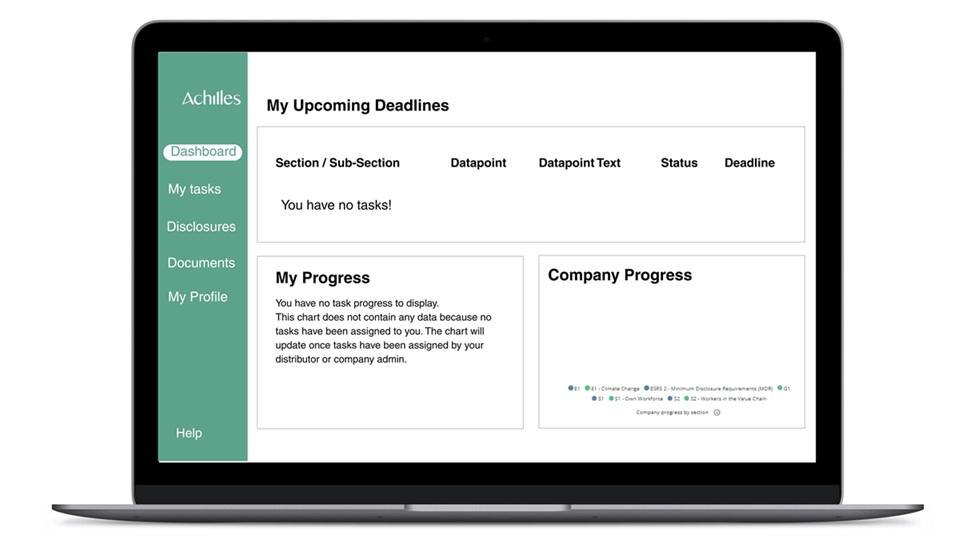
The global oil and gas industry finds itself at a pivotal juncture, navigating an increasingly complex landscape where environmental, social, and governance (ESG) performance is no longer a peripheral concern but a core determinant of investment viability and operational license. As capital markets and regulatory bodies intensify their scrutiny, the demand for transparent, auditable, and comprehensive sustainability data has surged. Against this backdrop, Achilles, a seasoned provider of supply chain risk and performance management solutions, has unveiled a significant new offering: Achilles Comply360. This enterprise platform arrives as a timely intervention, promising to demystify and streamline the often-arduous process of sustainability and non-financial reporting for energy sector participants.
The ESG Imperative for Energy Investors
For investors allocating capital within the oil and gas sector, robust ESG reporting has become a non-negotiable benchmark. Institutional investors, sovereign wealth funds, and even individual shareholders are increasingly factoring sustainability metrics into their decision-making, influencing everything from share price performance to the cost of capital. The pressure mounts not just from ethical considerations, but from a clear understanding that strong ESG practices correlate with reduced operational risks, enhanced long-term value creation, and improved resilience against future shocks. Companies that fail to provide credible, consistent, and comparable ESG data risk being overlooked, disfavored, or even divested from. This heightened demand for transparency is further compounded by a rapidly evolving global regulatory environment, with new frameworks emerging that mandate precise and standardized disclosures, presenting a significant compliance challenge for energy firms with sprawling international operations.
Comply360: Architecting Reporting Excellence
Achilles Comply360 directly addresses these critical pain points by offering a unified platform designed to integrate data collection, automate reporting processes, facilitate project management, and ensure alignment with diverse sustainability frameworks. The solution targets the inherent fragmentation and resource intensity typically associated with assembling complex non-financial reports. By centralizing these functions, energy companies can move beyond reactive, manual processes to adopt a more proactive and strategic approach to ESG disclosure, thereby cultivating greater investor confidence and operational efficiency.
A cornerstone of the Comply360 platform is its innovative application of artificial intelligence. This advanced AI capability is engineered to intelligently extract pertinent data from a myriad of company documents—ranging from operational reports and environmental permits to social impact assessments and governance policies. The system then leverages this extracted information to automatically populate both structured quantitative disclosures and narrative sections of sustainability reports. This feature dramatically reduces the manual effort traditionally required for data compilation, minimizes the risk of human error, and significantly accelerates the reporting cycle, allowing O&G teams to dedicate more time to strategic analysis rather than data entry.
Precision in Carbon Accounting
For the oil and gas industry, accurately measuring and reporting greenhouse gas (GHG) emissions is paramount. Comply360 integrates a sophisticated carbon estimator that utilizes internationally recognized GHG Emission Factors. This embedded functionality provides energy companies with a reliable and standardized mechanism for calculating their carbon footprint across Scope 1, Scope 2, and increasingly, Scope 3 emissions. The ability to generate auditable and consistent carbon data is crucial for meeting regulatory requirements, demonstrating progress towards decarbonization targets, and responding to investor inquiries regarding climate risk exposure and mitigation strategies. Such precision in carbon accounting offers investors a clearer picture of a company’s environmental impact and its commitment to managing climate-related financial risks.
Furthermore, the platform’s robust integration capabilities ensure seamless connectivity with existing enterprise resource planning (ERP) systems and various third-party tools. This interoperability is vital for energy companies, which often operate with complex IT infrastructures and rely on diverse data sources. By integrating Comply360 with these core systems, organizations can maintain data integrity, eliminate silos, and achieve a holistic, real-time view of their sustainability performance. This comprehensive data integration extends to other Achilles platforms, creating a cohesive ecosystem for risk, performance, and sustainability management across the supply chain.
Navigating the Regulatory Labyrinth
The global proliferation of sustainability reporting frameworks presents a formidable challenge for multinational oil and gas companies. Comply360 is explicitly designed to support compliance with leading international standards, including the Corporate Sustainability Reporting Directive (CSRD), the International Financial Reporting Standards (IFRS) Sustainability Disclosure Standards (S1 and S2), and the Global Reporting Initiative (GRI) Standards. This broad compatibility ensures that energy firms can meet their obligations in different jurisdictions and cater to diverse stakeholder expectations. Beyond these established frameworks, the platform also offers extensive customization options, allowing companies to tailor their reporting to specific sector requirements – such as unique operational metrics for upstream exploration versus downstream refining – or to fulfill the bespoke demands of particular investor groups. This adaptability is critical for an industry characterized by its operational diversity and global footprint.
Unlocking Investor Value Through Transparency
Mark Chamberlain, VP of Product and Insights at Achilles, succinctly captures the current landscape, stating that robust sustainability reporting has transitioned from an optional exercise to a mandatory endeavor for a vast number of organizations. He underscores the persistent challenge of this process remaining “resource-heavy” and “fragmented.” Comply360 directly addresses this by empowering enterprises with the “confidence, accuracy, and structure” necessary to fulfill their reporting obligations “efficiently and consistently, without increasing internal burden.” For investors, this translates directly into more reliable and comparable data, enabling superior due diligence, more informed risk assessments, and ultimately, better capital allocation decisions within the energy sector. Companies leveraging such tools can potentially attract a wider pool of capital and improve their valuations by demonstrating leadership in corporate transparency and responsibility.
Operational Dividends and Strategic Advantage
Beyond compliance and investor relations, the adoption of an integrated platform like Comply360 yields significant operational dividends for oil and gas companies. By automating what was once a manual and disjointed process, internal teams can redirect valuable resources from data aggregation to more strategic initiatives, such as identifying new decarbonization opportunities, optimizing resource use, or enhancing community engagement. This efficiency gain is critical in a sector where operational margins are constantly scrutinized. Moreover, by ensuring adherence to evolving regulatory mandates, Comply360 acts as a potent risk mitigation tool, safeguarding companies against potential fines, reputational damage, and legal challenges associated with non-compliance or inadequate disclosure.
In conclusion, Achilles Comply360 emerges as more than just a reporting tool; it represents a strategic asset for oil and gas companies striving to thrive in an era defined by the energy transition and heightened ESG scrutiny. For investors on OilMarketCap.com, understanding a company’s capability to effectively manage and disclose its sustainability performance is increasingly vital. Solutions like Comply360 offer a clear pathway for energy firms to demonstrate accountability, build trust with stakeholders, and secure their position as responsible and attractive investments in the evolving global energy landscape.


