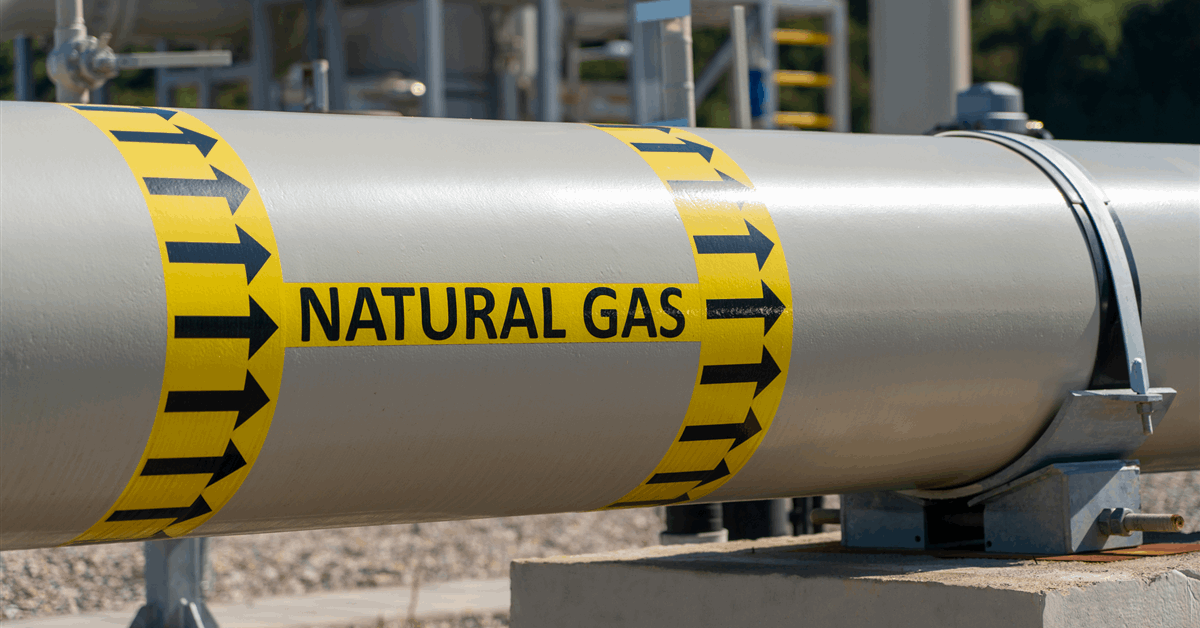
The recent affirmation by British Columbia’s Environmental Assessment Office (EAO) that the Prince Rupert Gas Transmission (PRGT) pipeline project has been “substantially started” marks a significant de-risking event for Canada’s aspiring West Coast liquefied natural gas (LNG) export ambitions. This regulatory clarity, ensuring the environmental certificate remains valid, unlocks further development for a critical piece of infrastructure designed to feed the 12 million metric tons per annum Ksi Lisims LNG facility, planned to become operational by 2029. For investors, this decision transforms a long-standing regulatory hurdle into a tangible stride forward, warranting a closer look at the opportunities and broader market context.
Regulatory Clarity Fuels West Coast LNG Ambition
The EAO’s determination that the Prince Rupert Gas Transmission project has met its “substantially commenced” requirement is a pivotal moment, securing the validity of its environmental certificate originally issued in 2014. This certificate, which mandated significant progress by November 2024, is now confirmed to remain in effect for the project’s life. The PRGT pipeline, acquired by the Nisga’a Nation and Western LNG LLC from TC Energy Corp. in March 2024, is engineered for a planned capacity of approximately 2 billion cubic feet a day (Bcfd), with an expansion potential to around 3.6 Bcfd. This substantial capacity underscores its strategic importance in delivering natural gas from northeastern British Columbia to the Ksi Lisims LNG liquefaction plant. With construction on the Ksi Lisims facility potentially commencing this year, the pipeline’s regulatory certainty is a foundational element for the entire integrated project, providing a clear path for future capital deployment and long-term export aspirations.
Navigating Market Volatility: A Backdrop for LNG Investment
While the PRGT project progresses on its own merit, the broader energy market continues its dynamic churn, influencing investor sentiment across all sectors. As of today, Brent crude trades at $90.38 per barrel, reflecting a sharp 9.07% decline within the day’s range of $86.08 to $98.97. This recent dip extends a broader retreat over the past two weeks, where Brent has shed a notable 18.5%, falling from $112.78 on March 30th to $91.87 yesterday. Such significant price swings underscore the inherent volatility in global energy markets. Amidst these fluctuations, a recurring question from our investor community is, “what do you predict the price of oil per barrel will be by end of 2026?” This highlights the fundamental uncertainty investors grapple with when evaluating projects like PRGT, which boast multi-year development timelines and rely on long-term demand fundamentals. Despite the immediate crude market turbulence, the de-risked regulatory status of PRGT positions it as a more attractive prospect, offering a degree of predictability in an otherwise unpredictable environment for investors seeking exposure to future natural gas demand.
Strategic Adjustments and Community Engagement Drive Progress
Beyond regulatory approvals, the PRGT project demonstrates tangible progress and strategic adaptability. Owners have reported that 42 kilometers of right-of-way have been cleared, 47 kilometers of access roads paved, and nine permanent bridges installed, illustrating a clear commitment to advancing the physical infrastructure. Importantly, the project partners have actively sought to optimize the pipeline’s design, applying for key route amendments in 2024. These include rerouting the pipeline to terminate at the Ksi Lisims LNG facility’s site – a logical adjustment following the cancellation of a prior LNG project at Lelu Island – and a further amendment to shorten the eastern portion of the pipeline by approximately 50 kilometers by following existing cleared right-of-way between Chetwynd and Mackenzie. These strategic adjustments aim to enhance efficiency and reduce environmental footprint. Furthermore, the emphasis on community benefit is evident, with 2024 construction activities generating approximately $25 million in Indigenous procurement and subcontracting opportunities, over $13 million in local expenditures within Terrace, and an Indigenous employment rate of 30 percent, tripling the regional average for large projects. This proactive engagement, coupled with plans for detailed surveys and ongoing Indigenous consultations, strengthens the project’s social license and long-term viability.
Key Events on the Horizon Shaping the Energy Landscape
The coming weeks present several pivotal moments that will undoubtedly influence the broader energy investment climate, directly impacting the perceived value and risk profile of projects like PRGT. Of immediate interest are the upcoming OPEC+ Joint Ministerial Monitoring Committee (JMMC) and Full Ministerial meetings scheduled for April 18th and 19th, respectively. Our readers are keenly interested in understanding “What are OPEC+ current production quotas?” and what potential adjustments might be made. Any shifts in their supply policy could significantly alter global crude and, by extension, natural gas market dynamics, influencing future LNG demand and pricing. Beyond OPEC+, investors will be closely watching the API Weekly Crude Inventory reports on April 21st and 28th, followed by the EIA Weekly Petroleum Status Reports on April 22nd and 29th, which provide critical insights into short-term supply and demand balances. Additionally, the Baker Hughes Rig Count on April 24th and May 1st will offer a pulse check on North American drilling activity. These events collectively create a dynamic environment, requiring investors to stay agile and informed, even when evaluating long-term infrastructure plays like PRGT that benefit from enhanced regulatory certainty.
Investor Takeaway: De-risked Potential in a Dynamic Market
For investors eyeing exposure to Canada’s emerging LNG export sector, the EAO’s decision on the Prince Rupert Gas Transmission project provides a robust signal of progress and regulatory de-risking. The pipeline’s confirmed environmental certificate, coupled with significant physical advancements and strategic route optimizations, underscores a tangible commitment to bringing the Ksi Lisims LNG facility online by 2029. While the broader crude market remains volatile, as evidenced by recent Brent price movements and the keen investor interest in future oil price predictions, PRGT represents a foundational piece of infrastructure with enhanced certainty. The strategic importance of Canadian LNG in meeting global energy demand, especially amidst geopolitical shifts, cannot be overstated. Investors should continue to monitor upcoming energy events, particularly OPEC+ decisions and inventory reports, which will shape the macro environment, but the PRGT’s regulatory clarity offers a compelling point of stability for those looking to capitalize on long-term natural gas export growth.


