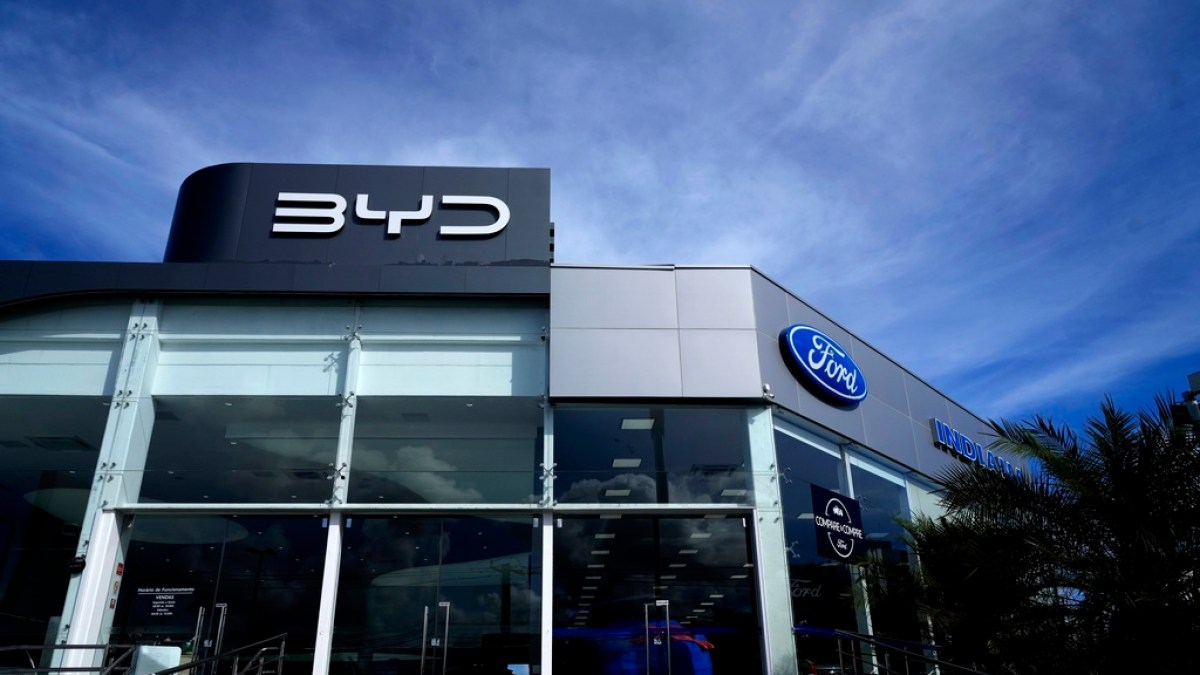
Brazilian Labor Suit Against BYD Signals Broad Investor Risks
Investors across global markets are keenly observing the escalating legal challenges facing Chinese automotive giant BYD in Brazil. Brazilian labor prosecutors have launched a significant lawsuit against BYD and two of its contractors, alleging severe labor violations including human trafficking and subjecting workers to conditions “analogous to slavery” during the construction of a key manufacturing facility. This development underscores critical Environmental, Social, and Governance (ESG) risks that can profoundly impact corporate valuation and investor confidence, lessons that resonate far beyond the automotive sector, including within the oil and gas industry.
Allegations of Deplorable Conditions Emerge
The lawsuit targets BYD, along with China JinJiang Construction Brazil and Tecmonta Equipamentos Inteligentes. Brazilian authorities accuse these entities of orchestrating the illegal trafficking of Chinese laborers to Brazil, subsequently exploiting them under “extremely degrading” circumstances. These workers were reportedly engaged in the construction of BYD’s plant in Camacari, located in the northeastern state of Bahia.
The severity of the allegations came to light following a police intervention in December 2024. During this operation, authorities identified approximately 220 Chinese workers living and toiling in conditions that prosecutors described as akin to modern slavery. Specifically, 163 workers associated with Jinjiang and 57 with Tecmonta were “rescued” from these sites. The investigation revealed that these individuals were brought to Brazil under visas that did not correspond to their actual employment, a clear violation of international labor protocols.
Financial Penalties and Operational Disruptions
Brazilian labor prosecutors are seeking substantial damages totaling 257 million reais, equivalent to approximately $45 million USD. This figure is derived from a penalty structure of 50,000 reais ($8,867 USD) per violation for each affected worker, compounded by additional moral damages. For a company like BYD, with its global ambitions and significant market capitalization, such a direct financial hit, while manageable, pales in comparison to the potential long-term costs of reputational damage and operational disruption.
Beyond the immediate monetary claim, the lawsuit details appalling living and working conditions. Prosecutors allege that workers were rendered almost entirely dependent on their employers through a coercive system involving the withholding of up to 70 percent of their wages and the imposition of exorbitant contract termination fees. Furthermore, some workers reportedly had their passports confiscated, severely restricting their freedom of movement and ability to leave. Living quarters were described as squalid, with some beds lacking mattresses and one dormitory housing 31 individuals sharing a single toilet, forcing workers to rise as early as 4 AM to manage basic hygiene before starting their workday.
Brazil’s Strategic Importance and Reputational Fallout
The timing and location of these allegations are particularly sensitive for BYD. Brazil represents the company’s largest market outside of China, making the Camacari plant a cornerstone of its international expansion strategy. Any significant disruption or negative perception in this crucial market could have far-reaching implications for BYD’s global growth trajectory and investor confidence.
From an investor perspective, the immediate financial penalties are just one aspect of the risk. The reputational fallout from such serious allegations can be far more damaging. In an era where ESG factors are increasingly integrated into investment decisions, accusations of labor exploitation can lead to a significant erosion of brand value, consumer trust, and investor appeal. Companies perceived to have lax oversight over their supply chains or direct operations face heightened scrutiny from institutional investors, ethical funds, and even sovereign wealth funds, all of whom prioritize responsible corporate conduct.
ESG Imperatives and Cross-Sector Relevance
This case serves as a stark reminder for all global enterprises, including those in the capital-intensive oil and gas sector, of the paramount importance of robust ESG frameworks and stringent supply chain due diligence. While the specifics of this incident involve an automotive manufacturer, the underlying issues – ethical labor practices, human rights, and corporate accountability – are universal. Oil and gas companies operating complex international projects, often in diverse regulatory environments and with extensive contractor networks, are equally vulnerable to similar allegations if their oversight mechanisms are inadequate.
Investors in the energy sector, who are increasingly factoring climate transition risks and social license to operate into their analyses, must also consider the “S” in ESG. Labor disputes, human rights violations, and poor working conditions can trigger costly legal battles, project delays, and investor divestment. The scrutiny on BYD highlights the intensifying pressure on corporations to ensure ethical conduct throughout their entire value chain, not just within their direct employment.
Company Response and Ongoing Legal Battle
BYD has publicly stated its commitment to human rights, affirming its cooperation with Brazilian authorities and its intention to address the lawsuit in court. Previously, in December, a company spokesman had characterized similar allegations of poor working conditions as an attempt to “smear” China and Chinese enterprises. However, Brazilian labor prosecutors have strongly refuted any notion that their actions are driven by anti-Chinese sentiment.
Deputy Labor Prosecutor Fabio Leal emphasized the strength of their case, stating, “Our lawsuit is very well-founded, with a substantial amount of evidence provided during the investigation process.” He also confirmed that the repatriated workers would receive any payments related to the lawsuit in China, with the responsibility falling on the companies in Brazil to furnish proof of payment.
As this legal battle unfolds, investors will be closely monitoring not only the verdict but also BYD’s actions and internal reforms. The company’s response, its transparency, and its commitment to rectifying any identified deficiencies will be crucial in restoring investor confidence and mitigating long-term risks. For the broader investment community, the BYD case is a potent reminder that ethical conduct is not merely a moral imperative but a fundamental component of sustainable financial performance and long-term shareholder value in today’s global economy.