The Euro’s Ambition: A Challenge to Dollar Hegemony and Implications for Energy Markets
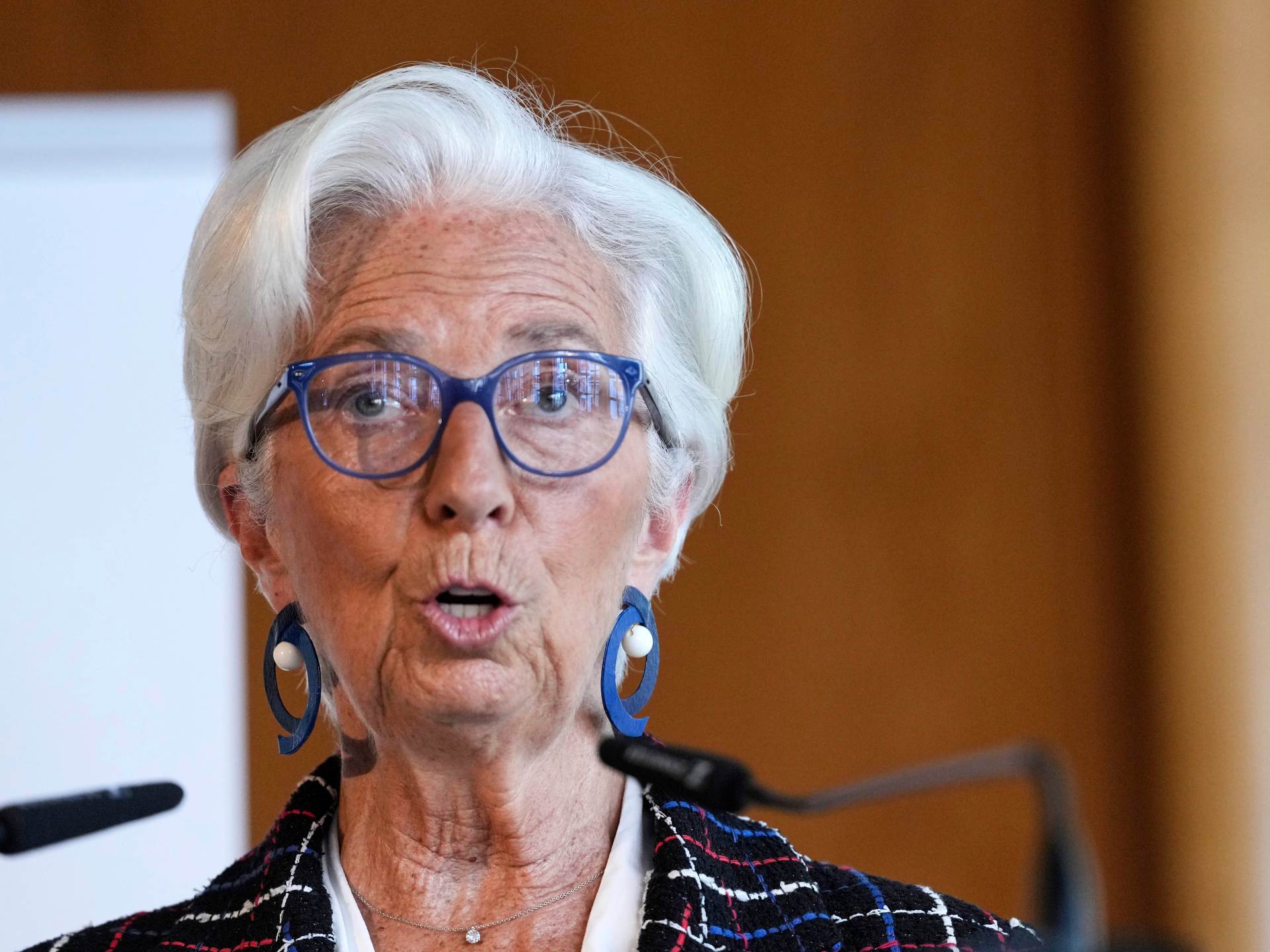
European Central Bank President Christine Lagarde recently articulated a compelling vision for the euro, suggesting it stands poised to emerge as a formidable challenger to the U.S. dollar’s long-held status as the world’s primary reserve and trade currency. Speaking in Berlin, Lagarde highlighted that recent shifts in American economic policy have created a unique window for the euro to gain significant ground, a development that shrewd oil and gas investors should monitor closely.
Lagarde’s remarks underscore a growing sentiment among global investors who, in recent times, have expressed disquiet regarding the United States’ unpredictable economic policy trajectory. This unease has prompted a search for diversification, with many allocating capital into traditional safe havens like gold in the absence of a clear, alternative reserve currency. According to Lagarde, these evolving dynamics present a “global euro moment,” signaling a potential inflection point for international finance and, by extension, the global energy trade.
The Dollar’s Ebbing Influence: A New Paradigm?
The U.S. dollar’s dominance, while still substantial, has been gradually eroding over an extended period. Data indicates that the dollar now comprises approximately 58 percent of international reserves, marking its lowest share in decades. While this figure still significantly overshadows the euro’s roughly 20 percent stake, the trend suggests a gradual rebalancing of global financial power. This shift has profound implications for commodity markets, particularly the oil and gas sector, where transactions are predominantly dollar-denominated. A move towards a multi-currency reserve system could introduce new layers of complexity and opportunity for hedging and international project financing.
Lagarde emphasized that investors are increasingly seeking “geopolitical assurance” in their asset allocation strategies. They are gravitating towards regions characterized by reliable security partnerships and the capacity to uphold alliances with demonstrable strength. She lamented that the global economy, which historically flourished under a framework of openness and multilateralism largely anchored by U.S. leadership, now appears to be fracturing. For energy companies operating in volatile regions, the stability offered by robust geopolitical alliances backed by hard power is not merely an abstract concept; it directly impacts project security, supply chain resilience, and the overall investment climate.
Forging a Stronger Euro: The Path Ahead
For the euro to truly elevate its global standing, Lagarde posited that its enhanced role must be intrinsically linked to greater military capabilities that can provide tangible backing to international partnerships. Beyond military strength, she outlined several practical steps for Europe to bolster the euro’s appeal. A key recommendation involves actively promoting the euro as the preferred currency for businesses engaged in international trade invoicing. This strategic move could be further supported by the negotiation of new, comprehensive trade agreements, the optimization of cross-border payment systems, and the establishment of robust liquidity arrangements with the ECB.
These initiatives, if successfully implemented, could gradually decouple significant portions of global trade, including energy transactions, from exclusive dollar reliance. For oil and gas firms, this might mean new hedging strategies, reduced exchange rate risks when dealing with European partners, and potentially even shifts in the cost structures of European-based operations or investments.
Overcoming Internal Hurdles: The Integration Imperative
Despite the ambitious vision, the euro’s global role has seen limited progress over the past decades. Lagarde candidly acknowledged that the European Union’s financial institutions remain incomplete, and there has been a notable lack of political will among member governments to pursue deeper economic integration. These internal challenges represent significant hurdles that must be addressed for the euro to realize its full potential.
To overcome these structural impediments, Europe requires a more profound and liquid capital market. This necessitates fortifying its legal frameworks and unequivocally demonstrating its commitment to open trade, underpinned by credible security capabilities. Lagarde specifically highlighted the pressing need for domestic economic reforms, noting that the eurozone’s capital market remains fragmented, inefficient, and crucially, lacks a truly liquid, widely accessible “safe asset” that could attract substantial investor capital. Such an asset would offer a stable alternative to government bonds and foster greater financial integration.
Lagarde articulated that “economic logic dictates that public goods must be jointly financed.” She suggested that such joint financing could form the bedrock for Europe to progressively increase its provision of safe assets. However, the concept of joint borrowing has historically faced resistance from key eurozone members, notably Germany, due to concerns that taxpayers in fiscally responsible nations might ultimately bear the burden of others’ financial indiscretions.
A Vision of Resilience and Opportunity for Investors
Should Europe successfully navigate these complex challenges, the rewards would be substantial. Lagarde projected that a more integrated and robust European financial system would attract significant investment inflows. This, in turn, would enable domestic entities, including those in the energy sector, to secure financing at reduced costs. Furthermore, it would insulate the bloc from adverse exchange rate fluctuations and provide a critical defense mechanism against international sanctions – a particularly salient point for the global oil and gas industry, which frequently navigates complex geopolitical landscapes and sanctions regimes.
For discerning oil and gas investors, Lagarde’s discourse serves as a crucial signal. A stronger, more integrated euro zone, with its own liquid capital markets and a credible reserve currency, could fundamentally alter the landscape of energy finance. It might open new avenues for project funding within Europe, diversify risk away from exclusive dollar exposure, and potentially even lead to a re-evaluation of pricing benchmarks for certain energy commodities. Monitoring Europe’s progress on these fronts will be essential for strategizing future investments in the dynamic global energy market.