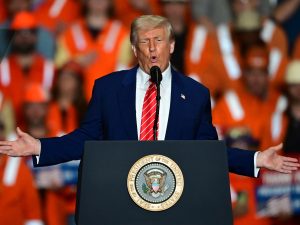
The global investment landscape received a seismic jolt this week as President Donald Trump concluded a high-stakes tour of the Gulf region, claiming to have brokered an astounding $10 trillion in agreements. This unprecedented series of deals, spanning technology, defense, and broad economic cooperation, signals a profound deepening of ties between the United States and key Gulf allies, with significant ramifications for investors monitoring the energy sector and emerging technologies.
UAE’s Trillion-Dollar Bet on US AI Dominance
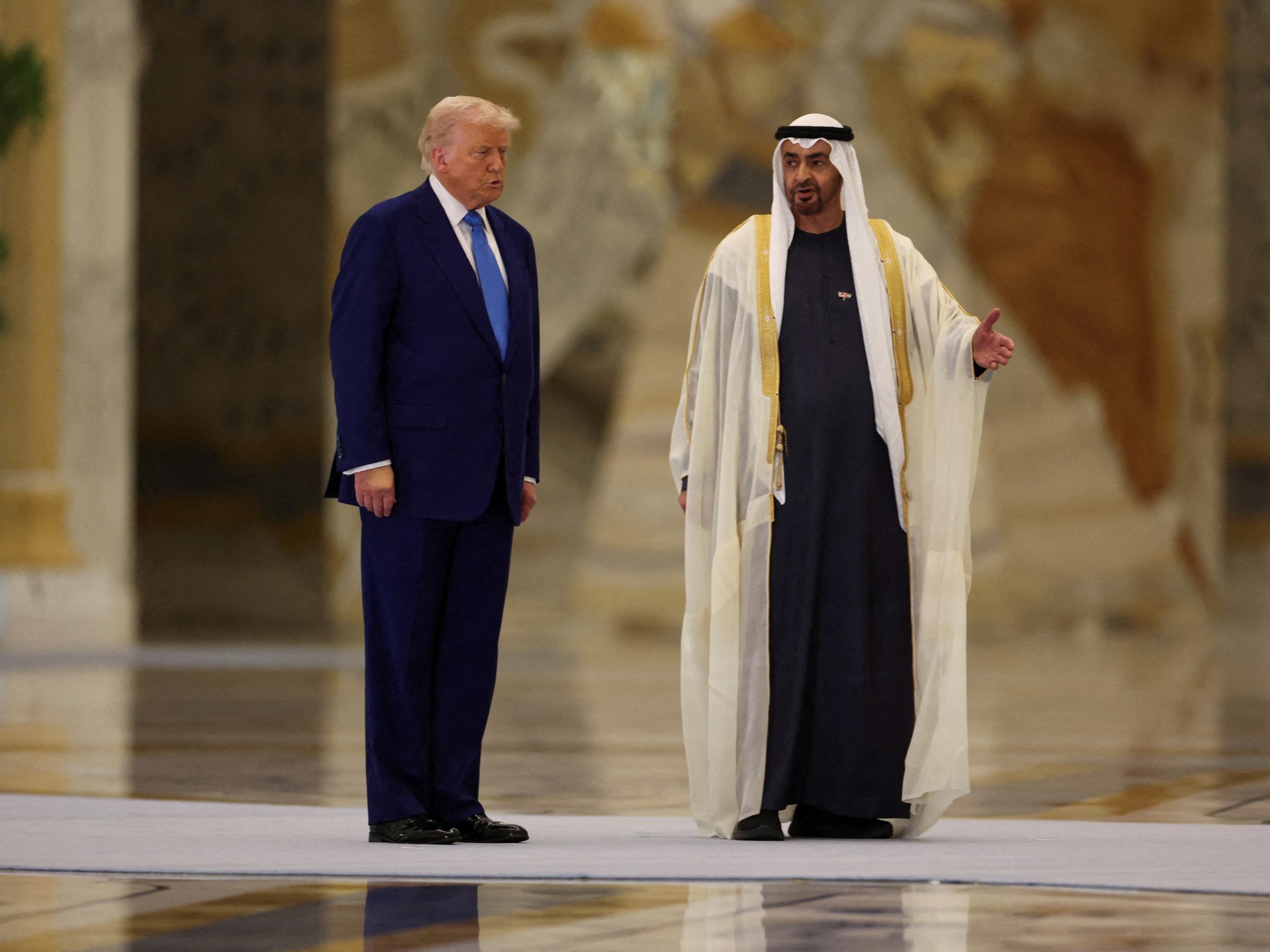
At the forefront of these landmark agreements is the United Arab Emirates’ commitment to inject a staggering $1.4 trillion into the United States’ artificial intelligence sector over the next ten years. Speaking from a meeting with UAE President Sheikh Mohamed bin Zayed Al Nahyan, President Trump lauded the strengthening relationship, predicting it would “only get bigger and better.” This monumental investment is specifically earmarked for the construction and financing of US-based data centers, vital infrastructure for the development and deployment of advanced AI models.
For financial observers, this move represents a strategic pivot and a significant vote of confidence in American technological leadership. The White House confirmed the UAE’s pledge to develop or finance data centers in the US that are at least equivalent in scale and capability to those being established within the Emirates. While the specific AI chip technologies were not disclosed, the visible presence of Nvidia CEO Jensen Huang in discussions with both leaders underscores the high-level technical engagement involved.
This development also marks a notable shift in Washington’s approach. Previously, the transfer of advanced AI capabilities and data center technology to foreign nations, even allies, had been a point of national security concern. However, the sheer scale of the UAE’s proposed investment, coupled with its strategic partnership, appears to have alleviated these apprehensions under the current administration. Industry analysts suggest this positions the UAE not only as a crucial financial partner but also as an increasingly vital hub in the global AI ecosystem, potentially surpassing Saudi Arabia in its technological ambitions.
From an energy perspective, the proliferation of these massive data centers, both in the US and the UAE, will drive substantial demand for power. Investors in utilities, renewable energy infrastructure, and natural gas-fired power generation should take note of this long-term energy consumption growth trajectory, directly linked to the AI revolution.
Broader Gulf Commitments Reshape Economic Landscape
Beyond the groundbreaking AI deal with the UAE, President Trump’s whirlwind tour secured a cascade of other high-value commitments from across the Gulf, reinforcing economic and strategic partnerships. In Qatar, significant defense purchases totaling $42 billion were finalized, alongside a substantial commercial aviation deal. Qatar Airways committed to acquiring up to 210 widebody jets from Boeing, providing a considerable boost to the American aerospace manufacturing sector.
Saudi Arabia also emerged as a key player in this investment offensive. The Kingdom pledged to invest an impressive $600 billion in the US economy, signaling a robust and diversified capital flow into various American industries. Furthermore, Saudi Arabia committed to purchasing $142 billion worth of US arms, solidifying defense ties and supporting American manufacturing jobs. These multi-faceted commitments from Saudi Arabia underscore its ongoing strategy to diversify its economy beyond hydrocarbon revenues, while simultaneously strengthening its strategic alignment with the United States.
Geopolitical Stability and Energy Market Implications
The tour was not solely focused on financial transactions; it also carried significant diplomatic weight. President Trump indicated progress on a potential nuclear deal with Iran, a development that, if realized, could have profound implications for global oil markets and regional stability. Additionally, the administration signaled its intent to lift long-standing sanctions on Syria, another move that could reshape regional dynamics and potential energy infrastructure projects in the longer term.
For investors in the oil and gas sector, the consolidation of these deep economic and strategic ties with key Gulf producers is a crucial factor in assessing regional stability. Strong relationships between the US and these major energy exporters can contribute to greater predictability in global supply chains and dampen geopolitical risks that often translate into oil price volatility. The sheer volume of capital flowing from the Gulf into US technology and defense sectors also highlights the robust financial health and strategic foresight of these nations, many of whom are leveraging their energy wealth to secure future economic prosperity and technological leadership.
While President Trump hinted at an unpredictable return itinerary, even suggesting a potential stop in Istanbul for discussions on the Russia-Ukraine conflict, the overarching message from his Gulf visit is clear: a renewed emphasis on strategic partnerships, massive capital flows, and a shared vision for technological advancement. For investors, this translates into a dynamic environment where traditional energy wealth is increasingly deployed to fuel the next generation of global innovation, creating new opportunities and strengthening the foundations of long-term economic cooperation.