YPF Signals Near-Term Vaca Muerta Drilling Slowdown Amid Market Headwinds
The dynamic Vaca Muerta shale play in Argentina, often hailed as a future global energy powerhouse, faces a near-term deceleration in drilling activity. Horacio Marin, Chief Executive Officer of YPF SA, Argentina’s largest crude producer and a dominant force in the region, has indicated that companies operating in the basin are poised to scale back capital expenditures, directly impacting operational tempo. This development merits close scrutiny from investors tracking global upstream trends.
Marin, speaking at a recent industry gathering in Buenos Aires, explicitly stated that YPF might need to reduce its active hydraulic fracturing crews. He attributed this anticipated slowdown primarily to the cautious approach of international partners, who are recalibrating their investment strategies. This shift, he noted, stems from a confluence of factors, including the recent softening of crude oil prices and significant capital commitments by rivals engaged in strategic acquisitions, which have diverted funds away from new drilling programs.
Rig Count Reductions Reflect Broader Industry Caution
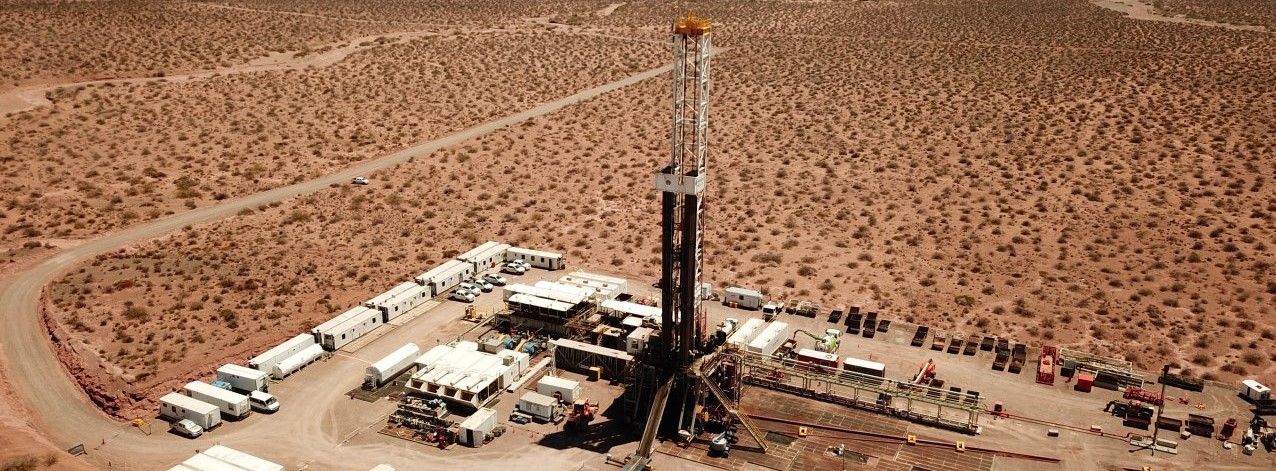
The potential reduction in activity is not merely theoretical. Marin forecasted a contraction in the Vaca Muerta’s active drilling fleet, estimating a decrease of five to six rigs. This projection aligns with a broader trend already evident in the region. According to data compiled by Baker Hughes Co., Argentina’s total rig count stood at 38 as of July 31, encompassing both crude oil and natural gas targets. This figure represents a notable 16% decline compared to the same period a year earlier, underscoring a persistent trend of cautious capital deployment across the sector.
This localized slowdown in Argentina’s shale sector mirrors a more pervasive trend within the global oil and gas industry, particularly in the realm of unconventional resource development. The U.S. shale industry, which provided the blueprint for Vaca Muerta’s ambitious growth targets, is itself navigating a period of reduced expansion. This deceleration in North American shale is influenced by several macroeconomic and geopolitical factors, including increased output from OPEC+ nations and a less certain global demand outlook, both of which exert downward pressure on international crude benchmarks. For investors, this signals a period where capital discipline and operational efficiency are increasingly prioritized over aggressive production growth.
Vaca Muerta’s Strategic Importance and Long-Term Vision
Despite these immediate headwinds, Marin conveyed unwavering optimism regarding Vaca Muerta’s long-term potential. “Personally, I think the Vaca Muerta is unstoppable,” he declared, reiterating the basin’s enduring strategic importance. This sentiment underscores the profound geological potential and the national imperative for Argentina to fully unlock its vast unconventional reserves. The ambitious goal remains to more than double Vaca Muerta’s daily crude production, targeting an output of 1 million barrels within the next few years. Achieving this milestone would not only transform Argentina’s energy independence but also position it as a significant player in global oil markets.
For an investor, understanding the dual narrative – short-term caution versus long-term conviction – is crucial. The current pause in aggressive drilling should be viewed in the context of global market dynamics rather than a fundamental flaw in Vaca Muerta’s resource base. Companies, including YPF, are likely adopting a more measured approach, prioritizing cash flow and shareholder returns over unbridled expansion during periods of price volatility. This strategic pivot could ultimately lead to more sustainable development practices and enhanced profitability once market conditions stabilize.
Investment Implications: Navigating Volatility and Long-Term Growth
The signals from YPF’s CEO suggest that investors should anticipate a period of constrained capital deployment in the Vaca Muerta in the immediate future. This could translate into a moderated pace of production growth compared to earlier, more aggressive forecasts. However, the underlying resource quality and the long-term vision for Vaca Muerta remain intact. For those with a long-term investment horizon, any temporary dips in activity or valuation could present strategic entry points, provided the broader macroeconomic environment for crude oil stabilizes.
The challenges faced by Vaca Muerta producers are not unique; they reflect the global energy industry’s ongoing adaptation to fluctuating commodity prices, evolving demand patterns, and the need for capital discipline. While a slowdown in frac crews and rig counts might seem concerning on the surface, it could also be interpreted as a prudent response to market realities, setting the stage for more efficient and robust growth once conditions become more favorable. The “unstoppable” vision for Vaca Muerta, therefore, likely hinges on a strategic, rather than a frantic, pace of development, balancing immediate market pressures with the immense promise of its untapped reserves. Investors will need to closely monitor YPF’s capital expenditure plans and the broader sentiment among international partners for clearer indications of the basin’s trajectory.