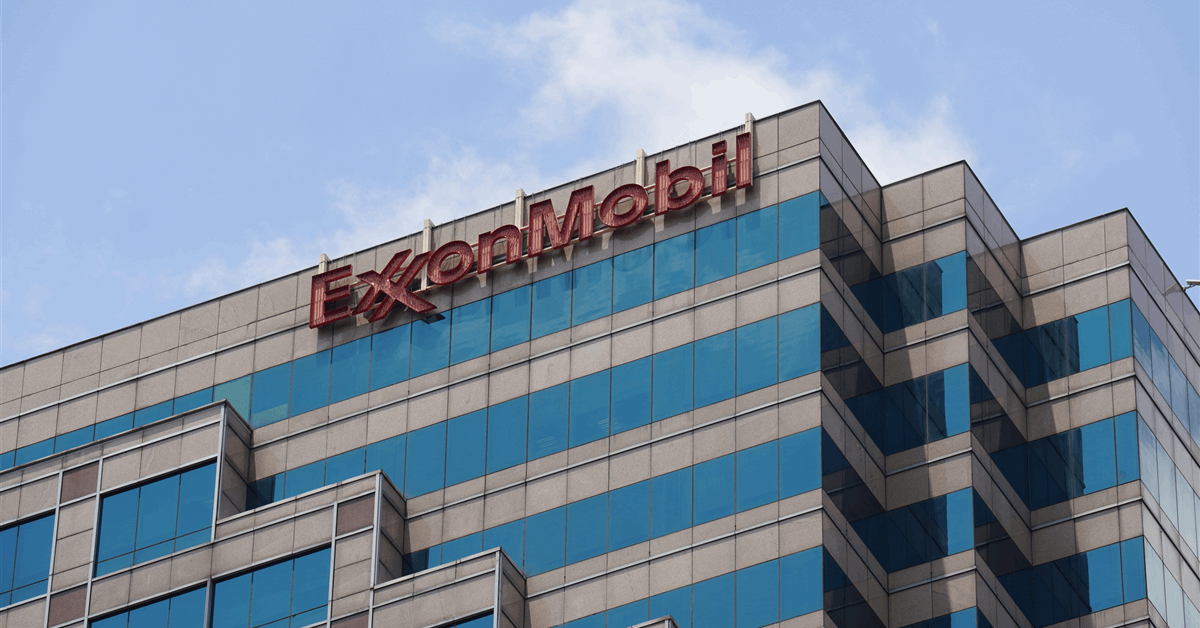
Energy giant ExxonMobil (XOM) has significantly fortified its commanding position within the burgeoning carbon capture, utilization, and storage (CCUS) market. The company recently announced a substantial new agreement with Calpine Corporation, a move that positions ExxonMobil to manage the transport and permanent underground sequestration of up to 2 million metric tons of carbon dioxide (CO2) annually (MTA). This considerable volume of emissions will originate from Calpine’s key Baytown Energy Center, a major cogeneration plant strategically located near Houston. For discerning investors tracking the evolving energy landscape, this strategic maneuver underscores ExxonMobil’s unwavering commitment and rapidly expanding leadership in the critical industrial decarbonization sector.
ExxonMobil Extends Carbon Capture Dominance
This collaboration with Calpine marks a pivotal expansion for ExxonMobil’s Low Carbon Solutions division. The Baytown Energy Center stands as a cornerstone of Calpine’s broader Baytown Carbon Capture and Storage (CCS) project, specifically engineered to capture CO2 emissions and deliver a consistent supply of lower-carbon electricity to Texas consumers. Crucially, Calpine represents the sixth customer to enlist ExxonMobil’s robust CCS services, thereby elevating ExxonMobil’s total contracted CO2 volume to an impressive approximately 16 MTA. This substantial and growing portfolio distinctly showcases ExxonMobil’s preeminent role in providing essential infrastructure for widespread industrial carbon abatement.
The CO2 captured from Calpine’s facility will integrate directly into ExxonMobil’s expansive CO2 pipeline system, which holds the distinction of being the largest of its kind globally. This strategically located network along the U.S. Gulf Coast is not only fundamental for facilitating permanent CO2 sequestration but also plays a vital role in supporting enhanced oil recovery (EOR) initiatives, thereby maximizing value from existing hydrocarbon assets. Barry Engle, President of ExxonMobil Low Carbon Solutions, highlighted the increasing confidence among a diverse client base—spanning critical sectors such as steel manufacturing, fertilizer production, industrial gases, natural gas processing, and now power generation—in ExxonMobil’s comprehensive, end-to-end CCS solutions. This broad client appeal signals a robust and growing revenue stream for the energy supermajor.
Calpine’s Vision for Sustainable Power Generation
From Calpine’s perspective, the Baytown CCS Project represents a significant stride towards a lower-carbon future. This ambitious initiative aims to generate approximately 500 megawatts of low-carbon electricity, a capacity sufficient to power over 500,000 households, while also providing vital steam for various industrial applications. This project powerfully illustrates the indispensable role natural gas-fired facilities will continue to play in ensuring grid stability and reliability for decades to come, even amidst the accelerating energy transition. Caleb Stephenson, Calpine Executive Vice President, emphatically stated that CCS offers a pragmatic and cost-effective pathway to meet escalating customer demand for reliable power, concurrently addressing environmental concerns associated with the long-term utilization of natural gas.
Calpine champions the powerful synergy created by combining abundant, low-cost natural gas with advanced carbon capture technology and extensive geologic storage resources. This combination, they believe, serves as a potent catalyst for multiple national objectives: bolstering U.S. energy security, driving continued strategic natural gas usage, fostering job creation across the energy sector, and strengthening the nation’s energy export capabilities. For investors, this partnership exemplifies a dual strategy, ensuring both energy reliability and environmental stewardship through innovative technological deployment.
Investor Focus: The Strategic Imperative of CCUS
For investors analyzing ExxonMobil’s long-term strategy, this Calpine agreement underscores several critical points. Firstly, it solidifies ExxonMobil’s commitment to building a significant, profitable business segment in low-carbon solutions, diversifying its revenue streams beyond traditional upstream and downstream operations. The rapid accumulation of 16 MTA in contracted CO2 capacity positions the company as a clear leader in a market projected for substantial growth. Furthermore, the leverage of existing pipeline infrastructure for both sequestration and enhanced oil recovery demonstrates capital efficiency and strategic foresight.
Secondly, the partnership with Calpine highlights the evolving role of natural gas in the energy transition. Rather than being phased out, natural gas, when paired with effective carbon capture, emerges as a vital bridge fuel providing reliable, dispatchable power while significantly reducing emissions. This makes investments in companies like Calpine, which are actively deploying CCS, increasingly attractive from an ESG and long-term viability perspective. The ability to provide baseload power with a reduced carbon footprint addresses a critical need for grid operators and industrial consumers alike.
Ultimately, this latest agreement between ExxonMobil and Calpine represents more than just a single transaction; it symbolizes a growing trend of industrial giants collaborating to achieve decarbonization targets. Investors should view these developments as indicators of a maturing CCUS market, where scale, expertise, and integrated solutions are becoming paramount. ExxonMobil’s aggressive posture in this space positions it as a key player in the global effort to mitigate industrial emissions, potentially unlocking substantial value for shareholders as the energy transition continues to accelerate and regulatory frameworks increasingly favor low-carbon solutions.


