

Oil Markets Roil as Geopolitical Tensions Escalate in the Middle East
Global crude oil markets are currently experiencing unprecedented volatility, with benchmark prices surging amidst a rapidly intensifying geopolitical crisis in the Middle East. As a month-long regional conflict shows no signs of abatement, investor concern is mounting over potential disruptions to critical energy infrastructure and vital shipping lanes, pushing oil prices to multi-year highs and signaling a significant risk premium for energy investors.
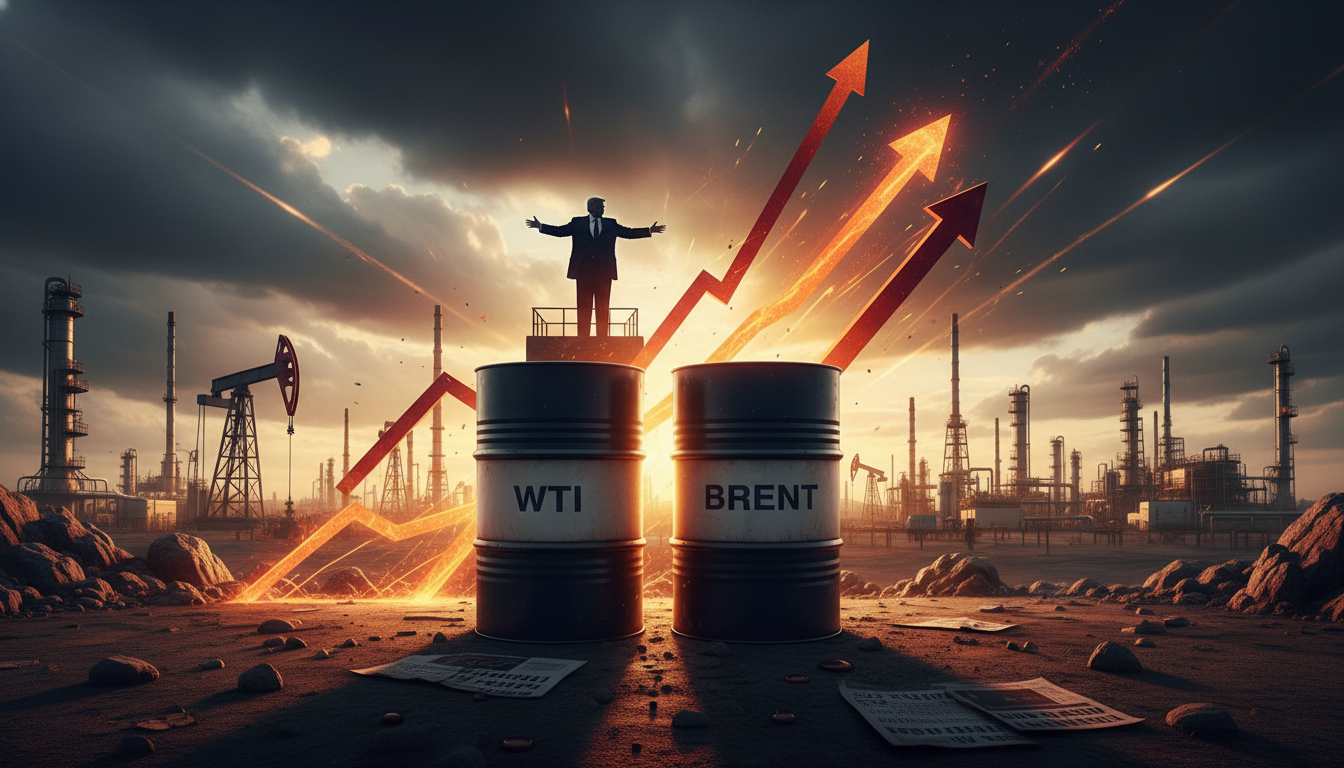
The West Texas Intermediate (WTI) futures for May delivery demonstrated robust gains, climbing an additional 3.5% to settle at $106.44 per barrel as of late Monday trading. This recent uptick has propelled WTI’s monthly gain to an staggering 56.8%, positioning it for its most substantial monthly surge since the market upheavals of 2020. Simultaneously, Brent crude futures for May delivery also witnessed a significant ascent, rising 2% to reach $115.17 per barrel. This remarkable performance brings Brent’s monthly increase to an astonishing 58.6%, placing it on track for its largest monthly rise on record, underscoring the profound impact of current geopolitical events on global energy valuations.
Direct Threats to Energy Infrastructure Drive Market Premiums
The latest impetus behind this market rally stems directly from escalating rhetoric from U.S. leadership, which has openly threatened further military action against Iran, specifically targeting its crucial energy infrastructure and even desalination plants. In a recent public statement, the U.S. President indicated that should Tehran fail to re-open the strategically vital Strait of Hormuz and agree to a peace deal to conclude the ongoing conflict, the U.S. would consider “blowing up and completely obliterating” electricity grids, oil facilities, and potentially water desalination infrastructure within Iran. Such explicit threats against core national assets inject a severe layer of uncertainty into an already fragile market, compelling investors to price in a higher risk of supply disruption.
These warnings arrive as the conflict enters its fifth week, characterized by escalating hostilities across the broader region. The diplomatic landscape remains fraught, with the U.S. President oscillating between portraying talks with Iran as productive and issuing stern warnings of further military deployments. While the U.S. claims that Tehran has agreed to “most of” a 15-point ceasefire proposal, Iranian authorities have publicly rejected these terms, responding with their own conditions, critically including the demand to maintain control over the Strait of Hormuz. This deep chasm in diplomatic positions suggests a prolonged period of tension, maintaining upward pressure on energy commodity prices.
Maritime Incidents Fuel Regional Instability Concerns
Adding to the climate of instability, a critical maritime incident occurred earlier this week when a fully laden Kuwaiti oil tanker was struck in the anchorage area of Dubai’s bustling port. This event, which Dubai authorities confirmed was being actively managed with firefighting operations, fortunately resulted in no reported injuries. However, the attack on a commercial vessel in such a vital shipping zone sends a chilling message to the global maritime industry and energy markets. It highlights the tangible risks of transiting the region, potentially leading to increased insurance premiums for tankers and further exacerbating supply chain anxieties. Such incidents underscore the direct threat posed by the conflict to the unimpeded flow of oil from the Middle East to global consumers.
Strategic Chokepoints Under Threat: Kharg Island and the Strait of Hormuz
A particularly concerning development for global oil supply security involves reports that the U.S. administration has considered the drastic option of deploying ground forces to seize Kharg Island. This island represents Iran’s primary fuel hub, handling an estimated 90% of the nation’s crude oil exports. Any military operation targeting such a pivotal facility would undoubtedly be perceived as a direct strike at the heart of Iran’s energy economy and could trigger a severe and instantaneous global oil supply crisis.
Furthermore, the strategic importance of the Strait of Hormuz cannot be overstated. This narrow waterway, located between Iran and Oman, served as the transit point for approximately one-fifth of global seaborne oil shipments prior to the onset of the conflict. Since hostilities began on February 28th, shipping traffic through this critical chokepoint has virtually ground to a halt. The complete cessation of normal operations through such a vital artery of global energy trade has already prompted a significant re-evaluation of supply security and global energy logistics. Experts caution that any ground operation, particularly one aimed at Kharg Island, risks not only significant U.S. casualties but also a dramatic escalation in the conflict’s financial cost and duration, further destabilizing an already volatile region.
Investor Outlook: Navigating Uncharted Waters in Oil Markets
For investors focused on the oil and gas sector, the current geopolitical landscape presents both significant risks and potential opportunities. The sustained upward momentum in crude prices, driven by an escalating war premium, highlights the market’s sensitivity to geopolitical shocks. While the prospect of record monthly gains is enticing, the underlying factors of military threats to critical infrastructure, maritime attacks, and the potential closure of the Strait of Hormuz signal an environment of extreme uncertainty.
Market participants must closely monitor developments in the Middle East, as each new report of escalation or diplomatic movement has the potential to trigger sharp price swings. The current situation demands a sophisticated understanding of geopolitical risk and its direct implications for energy supply and demand dynamics. As the conflict shows no signs of immediate resolution, the prevailing theme for oil and gas investing will likely remain one of heightened vigilance and strategic re-assessment of exposure to a market heavily influenced by unfolding events in one of the world’s most critical energy-producing regions.
