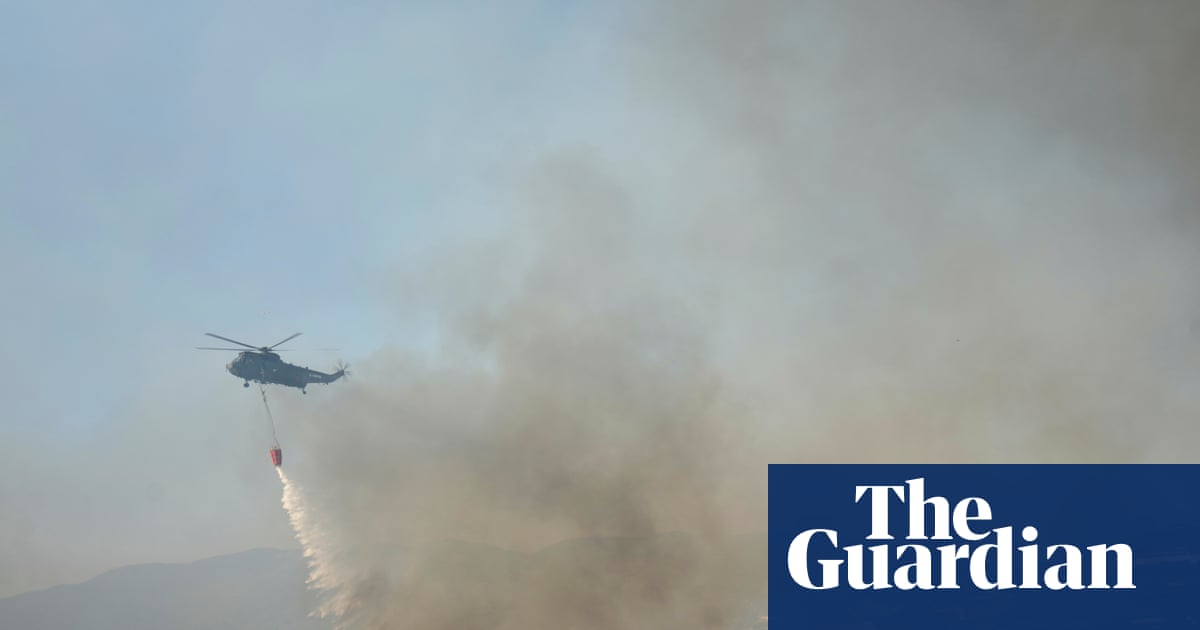
The Eastern Mediterranean is currently grappling with an unprecedented wave of wildfires, turning vast tracts of land in Cyprus and Turkey into ash. This tragic human and environmental crisis, marked by devastating heatwaves and gale-force winds, extends far beyond local communities, introducing another layer of geopolitical and climate-related risk into the global energy equation. While the immediate impact on global oil and gas supply chains remains indirect, investors must consider how escalating environmental events in critical regions can subtly, and sometimes dramatically, shift market sentiment and future outlooks. This analysis delves into the localized destruction, assesses the broader market’s immediate reaction, and looks ahead at how these events might intertwine with upcoming energy catalysts and investor concerns.
Eastern Mediterranean Ablaze: Assessing Regional Vulnerability
The scale of the ongoing wildfires across Cyprus and Turkey is stark, painting a grim picture of environmental stress and human tragedy in a region vital to global energy transit. In Cyprus, the blazes, described as the worst in over half a century, originated outside Limassol and rapidly consumed more than 40 square miles of territory, decimating prime agricultural land and dozens of homes in villages along the Troodos range. Temperatures soared past 44C (111F), exacerbated by strong winds and severe drought, creating an inferno that claimed two lives and displaced hundreds. Simultaneously, Turkey faced its own battle, with at least six separate wildfires, including one in Eskişehir province that tragically killed ten firefighters and injured 14 others.
The immediate human cost is undeniable, but for energy investors, the focus shifts to infrastructure resilience and potential disruptions. While neither Cyprus nor Turkey are major oil producers, their geographical location along key shipping lanes, particularly for LNG and crude bound for Europe, makes regional stability crucial. The extreme heat and air pollution from such widespread fires can strain local power grids, increase demand for cooling, and potentially impact port operations or shipping visibility, albeit for localized and temporary periods. The sheer scale of destruction highlights the growing vulnerability of essential regional infrastructure to climate-driven events.
The Cypriot Green MP, Charalambos Theopemptou, pointed to a critical lack of preventive measures, including insufficient public warning systems, uncleared illegal waste dumps, and inadequate basic infrastructure like water tanks. This underscores a broader risk: as climate change intensifies, the preparedness of nations in vulnerable regions to protect their infrastructure, including energy assets, becomes a significant factor for long-term investment viability. While no direct energy facilities have been reported damaged, the precedent of widespread disruption sets a worrying tone for future climate-related events in energy-rich or transit-critical areas.
Market Response and Broader Price Dynamics
Despite the severity of the wildfires, the global energy market’s immediate reaction has been relatively subdued, reflecting the localized nature of the events without direct impact on major oil and gas production or export infrastructure. As of today, Brent Crude trades at $95.20, posting a modest gain of 0.28% within a day range of $94.42-$95.23. Similarly, WTI Crude stands at $91.65, up 0.39%, fluctuating between $90.52 and $91.66. Gasoline prices, in contrast, are slightly down at $3.00 per gallon, indicating that the fires are not yet perceived as a threat to refined product supply or demand on a global scale.
This muted response, however, must be viewed in the context of broader market movements. The 14-day trend for Brent Crude reveals a significant downward correction, falling from $108.01 on March 26th to $94.58 by April 15th – a substantial $13.43 (12.4%) decline. This preceding bearish sentiment, driven by factors such as demand concerns or broader macroeconomic indicators, currently overshadows the localized geopolitical risk introduced by the Eastern Mediterranean fires. While tragic, these wildfires are not currently seen as a supply disruption event on par with major incidents affecting crude output or key choke points.
Therefore, while the fires add a layer of environmental and geopolitical concern, they are not dictating the immediate price action. Instead, the market remains focused on fundamental supply-demand dynamics, inventory levels, and macroeconomic forecasts. Investors are integrating these events into a broader risk assessment framework, recognizing that while individual incidents may not move the needle significantly, a pattern of increasing climate-related disruptions could cumulatively impact energy security and investment theses over the medium to long term.
Investor Focus: Geopolitical Risk and Future Supply Outlook
OilMarketCap.com readers are actively seeking clarity on the future, with a significant number asking for a base-case Brent price forecast for the next quarter and the consensus 2026 Brent forecast. While the immediate price impact of the Eastern Mediterranean wildfires is limited, they undeniably contribute to an elevated sense of geopolitical and climate-related risk in a region that is a critical energy crossroads. This heightened background noise can amplify volatility as investors weigh various factors influencing future supply and demand.
Looking ahead, the market’s attention will quickly shift to upcoming, more direct catalysts. The OPEC+ Joint Ministerial Monitoring Committee (JMMC) meeting on April 18th, followed by the Full Ministerial OPEC+ Meeting on April 20th, are pivotal. These gatherings will provide crucial signals regarding production policy, particularly in light of the recent Brent price dip. Any decisions on output adjustments will have a far more substantial and immediate impact on the global supply outlook than the current wildfires. Investors will be scrutinizing every statement for hints of continued cuts or potential increases, directly influencing their Brent price forecasts.
Beyond OPEC+, regular data releases will shape short-term sentiment. The API Weekly Crude Inventory report on April 21st and the EIA Weekly Petroleum Status Report on April 22nd, followed by their counterparts on April 28th and 29th, respectively, will offer granular insights into U.S. inventory levels and demand trends. These reports are keenly watched for indications of supply tightness or surplus. While the wildfires in Turkey and Cyprus are geographically distant from these data points, they serve as a potent reminder of how unforeseen events, particularly those linked to climate change, can introduce systemic risks that eventually feed into broader market sentiment and long-term price expectations.
Climate Resilience and Energy Transition Implications
The intense wildfires in Turkey and Cyprus, occurring amidst a brutal heatwave and severe drought, serve as a stark reminder of escalating climate change impacts on human societies and, by extension, energy systems. Events of this magnitude, described as the worst in decades for Cyprus, underscore the increasing frequency and severity of extreme weather phenomena. For energy investors, this translates into a heightened focus on climate resilience, not just for operational assets but across the entire energy value chain.
While current reader intent centers on immediate price forecasts and specific regional demand (like Chinese teapot refineries), the underlying context of these environmental disasters cannot be ignored. Recurring extreme weather events in energy-producing or transit regions could lead to increased operational costs, higher insurance premiums, and potential disruptions to infrastructure or shipping routes. Companies operating in vulnerable areas may face greater scrutiny regarding their climate risk mitigation strategies and their contributions to broader sustainability goals. This pushes the discussion beyond mere supply disruptions to the long-term viability and risk profile of fossil fuel investments in an increasingly volatile climate.
Ultimately, these wildfires, while localized in their immediate energy impact, contribute to a global narrative about the urgency of energy transition and the need for robust climate adaptation strategies. For oil and gas investors, this means integrating climate risk into their fundamental analysis, understanding that while the energy transition may present challenges, the costs of inaction – manifest in events like these devastating fires – are also rising. The quest for a stable Brent forecast for 2026 and beyond must increasingly factor in the unpredictable and escalating influence of climate-related disruptions on global energy markets.


