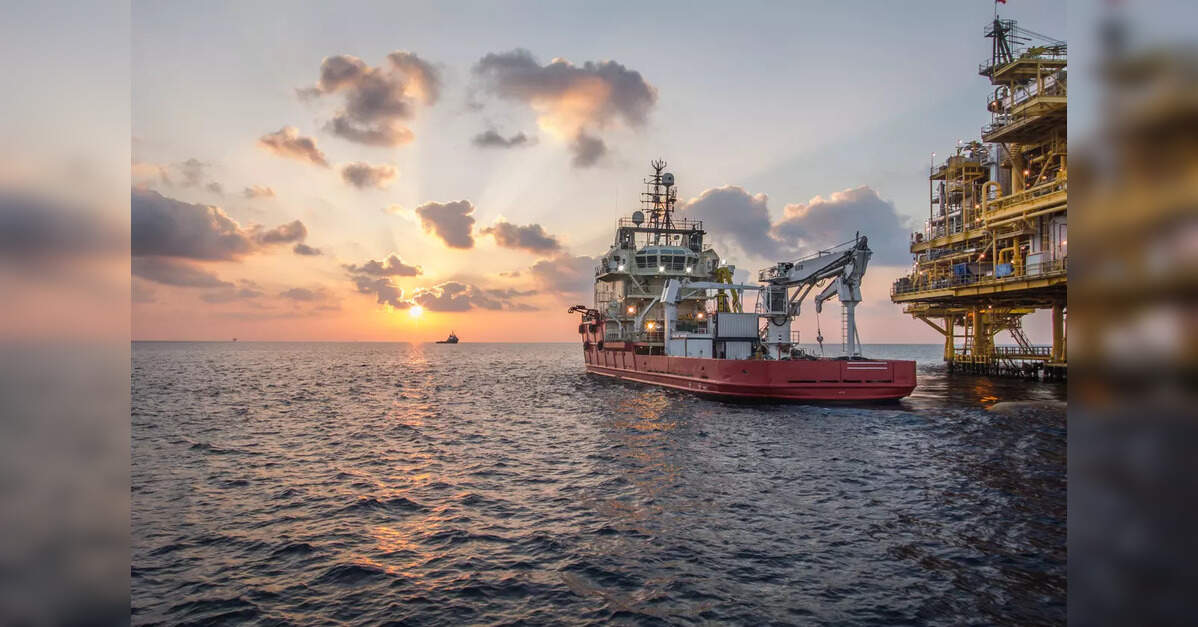
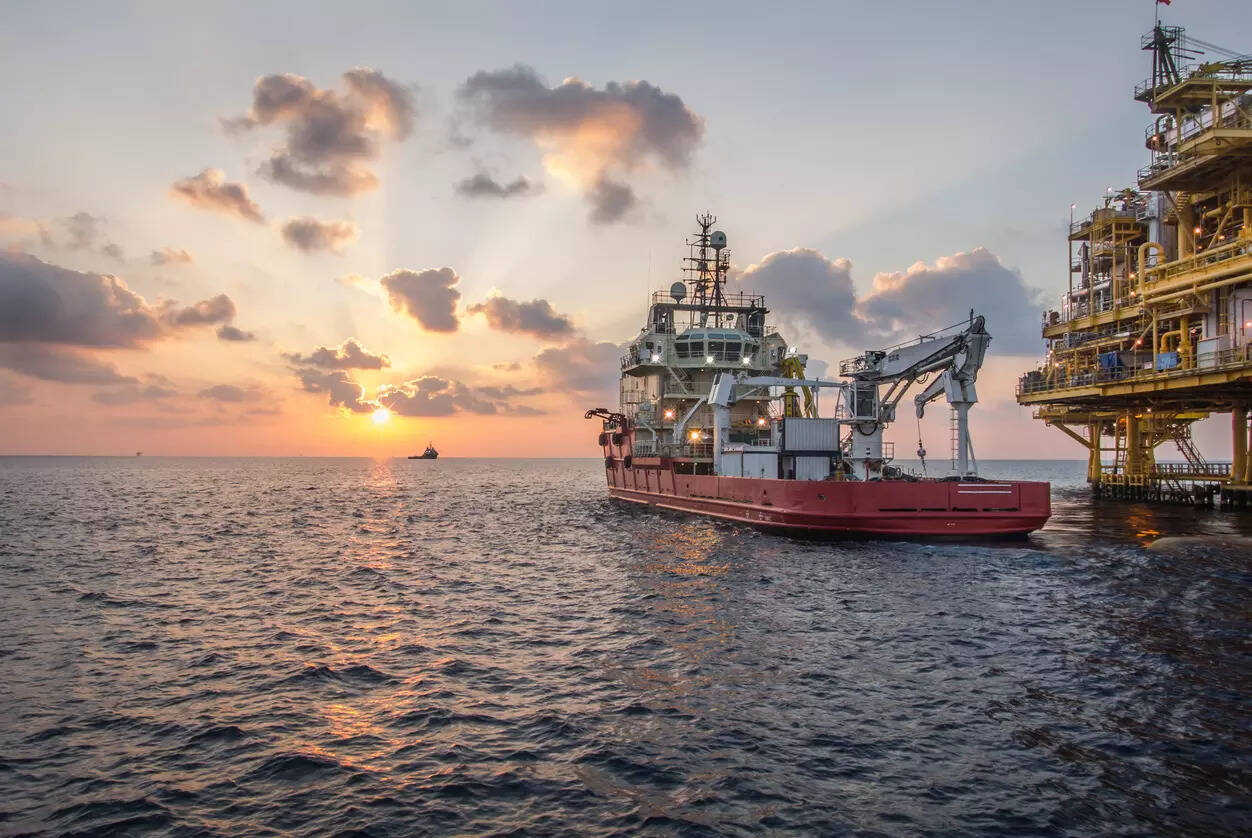
Iran said on Thursday that, in wartime, control of the Strait of Hormuz would rest with the Islamic Republic, as its Revolutionary Guards also claimed they had struck a US tanker in the northern Gulf.
In a statement carried by state media, the Guards said they hit the vessel and that it had caught fire following the attack.
They said that, “in time of war, passage through the Strait of Hormuz will be under the control of the Islamic Republic.”
The Iran-Israel war entered its sixth day on Thursday with fresh missile barrages, expanding air strikes, mounting civilian displacement and widening diplomatic tremors across the Middle East and beyond, underscoring how the conflict has evolved into a multi-theatre confrontation.
West Asia war expands; spills over
What began with US and Israeli strikes on Saturday has broadened geographically and strategically. In the early hours of Thursday, Iran launched another round of missiles toward Israel, triggering alerts in multiple areas, including Tel Aviv.
The Israeli military confirmed missile fire from Iran, while Tehran’s state media reported the launches. Explosions were heard in Jerusalem after warnings of incoming projectiles. Israel’s emergency services said there were no known casualties.
The conflict has also spilled deeper into Lebanon. An Israeli air strike hit a Hezbollah stronghold in south Beirut after a warning to residents. Lebanon’s health ministry said three people were killed in two Israeli strikes on vehicles along Beirut’s airport highway. Prior to the latest attacks, officials had reported 72 people killed and more than 83,000 displaced since the recent round of fighting between Israel and Hezbollah began.
Beyond the immediate combat zones, the maritime dimension has widened sharply. A US submarine strike targeted an Iranian vessel off Sri Lanka’s southern coast.
Iran’s grave allegation
Iran’s Foreign Minister Seyed Abbas Araghchi alleged that Frigate Dena, “a guest of India’s Navy carrying almost 130 sailors, was struck in international waters without warning,” calling it an “atrocity at sea” and warning that the United States would “bitterly regret” the precedent.
Tensions have mounted further in the Strait of Hormuz, a critical artery for global oil transport. Iran claimed “complete control” of the strait and warned vessels against using it.
The Omani navy rescued 24 crew members from a container ship hit by missiles, while a tanker off Kuwait was struck by a “large explosion,” according to the UK Maritime Trade Operations agency, which warned of oil in the water. Oil prices have risen amid the uncertainty.
The widening conflict has prompted international contingency measures.
Australia deployed “military assets” and crisis response teams to assist its 115,000 citizens in the region, while New Zealand ordered two military aircraft in preparation for evacuations.