

(Bloomberg) – Vice President JD Vance and other key Trump administration officials plan to huddle with oil executives Thursday as the White House looks for ways to tame surging fuel prices after the U.S. attack on Iran, according to people familiar with the matter.
The meeting will take place at the American Petroleum Institute and involve members of the U.S. oil and gas trade group’s board, according to the people, who asked not to be identified because they weren’t authorized to speak on the record.
“We look forward to convening key officials — including Vice President Vance, Energy Secretary Wright, bipartisan leaders in Congress and governors — to discuss the role of American oil and natural gas in supporting reliable energy supply amid global volatility,” Andrea Woods, a spokeswoman for the Washington-based group, said in a statement. “Our industry is focused on providing insight into market dynamics and strengthening American energy leadership and resilience for the long term.”
Vance’s office didn’t immediately respond to a request for comment.
The meeting comes as Trump is facing intense political pressure to address rising fuel prices. November’s midterm elections will hinge in large part on Americans’ attitudes toward the cost of living, and polls show the president is getting poor marks for his handling of the economy.
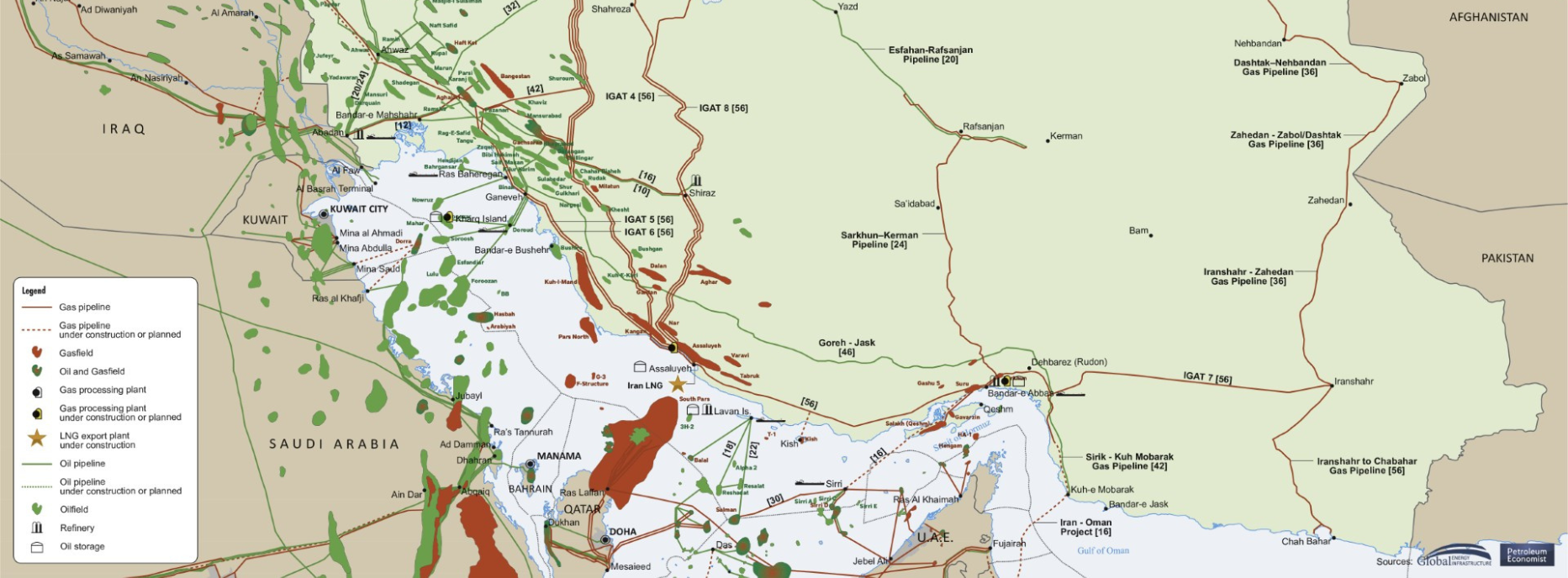
Crude oil prices have soared since the Iran war began last month. Tanker traffic has dwindled through the Strait of Hormuz, a narrow waterway in the Persian Gulf that normally handles around a 20% of global seaborne oil trade and liquefied natural gas supply. Cargoes of refined petroleum products, including diesel, gasoline, jet fuel, shipping fuel, and naphtha — used to make plastics and road fuel — have also been disrupted.
Analysts say Trump’s options for tamping down energy prices are limited. His administration has already ordered the release of 172 MMbbl of oil from the U.S. emergency reserves as part of a coordinated global effort to distribute 400 MMbbl.
Earlier on Wednesday, he waived a century-old shipping mandate to lower the cost of transporting oil and authorized foreign-flagged vessels to transport a range of commodities between U.S. ports for the next 60 days.
Meanwhile, U.S. Interior Secretary Doug Burgum, the chair of the White House National Energy Dominance Council, said last week the Trump administration has had conversations with energy companies that plan to increase domestic oil production.
Under the Trump administration, there are “record amounts of new drilling activity going on, and that’s paying off right now,” Burgum said in an interview with NewsNation.
