
Close Menu
  • Home
  • Market News
    • Crude Oil Prices
    • Brent vs WTI
    • Futures & Trading
    • OPEC Announcements
  • Company & Corporate
    • Mergers & Acquisitions
    • Earnings Reports
    • Executive Moves
    • ESG & Sustainability
  • Geopolitical & Global
    • Middle East
    • North America
    • Europe & Russia
    • Asia & China
    • Latin America
  • Supply & Disruption
    • Pipeline Disruptions
    • Refinery Outages
    • Weather Events (hurricanes, floods)
    • Labor Strikes & Protest Movements
  • Policy & Regulation
    • U.S. Energy Policy
    • EU Carbon Targets
    • Emissions Regulations
    • International Trade & Sanctions
  • Tech
    • Energy Transition
    • Hydrogen & LNG
    • Carbon Capture
    • Battery / Storage Tech
  • ESG
    • Climate Commitments
    • Greenwashing News
    • Net-Zero Tracking
    • Institutional Divestments
  • Financial
    • Interest Rates Impact on Oil
    • Inflation + Demand
    • Oil & Stock Correlation
    • Investor Sentiment

Subscribe to Updates

Subscribe to our newsletter and never miss our latest news

Subscribe my Newsletter for New Posts & tips Let's stay updated!

What's Hot

India hit by high oil prices, flight cancelations amid Iran conflict

March 2, 2026

McKinsey’s Newest Partners Share Their Tips for Success

March 2, 2026

Major Saudi refinery, Kurdish and Israeli oil, gas fields shut amid Mideast strikes, ETEnergyworld

March 2, 2026
Facebook X (Twitter) Instagram Threads
Oil Market Cap – Global Oil & Energy News, Data & Analysis
  • Home
  • Market News
    • Crude Oil Prices
    • Brent vs WTI
    • Futures & Trading
    • OPEC Announcements
  • Company & Corporate
    • Mergers & Acquisitions
    • Earnings Reports
    • Executive Moves
    • ESG & Sustainability
  • Geopolitical & Global
    • Middle East
    • North America
    • Europe & Russia
    • Asia & China
    • Latin America
  • Supply & Disruption
    • Pipeline Disruptions
    • Refinery Outages
    • Weather Events (hurricanes, floods)
    • Labor Strikes & Protest Movements
  • Policy & Regulation
    • U.S. Energy Policy
    • EU Carbon Targets
    • Emissions Regulations
    • International Trade & Sanctions
  • Tech
    • Energy Transition
    • Hydrogen & LNG
    • Carbon Capture
    • Battery / Storage Tech
  • ESG
    • Climate Commitments
    • Greenwashing News
    • Net-Zero Tracking
    • Institutional Divestments
  • Financial
    • Interest Rates Impact on Oil
    • Inflation + Demand
    • Oil & Stock Correlation
    • Investor Sentiment
Oil Market Cap – Global Oil & Energy News, Data & Analysis
Home » What you need to know about derechos, an uncommon and destructive weather event
Weather Events (hurricanes, floods)

What you need to know about derechos, an uncommon and destructive weather event

omc_adminBy omc_adminJuly 28, 2025No Comments4 Mins Read
Share
Facebook Twitter Pinterest Threads Bluesky Copy Link


Prolonged wind events that unleash heavy rainfall and travel far distances sometimes qualify as derechos.

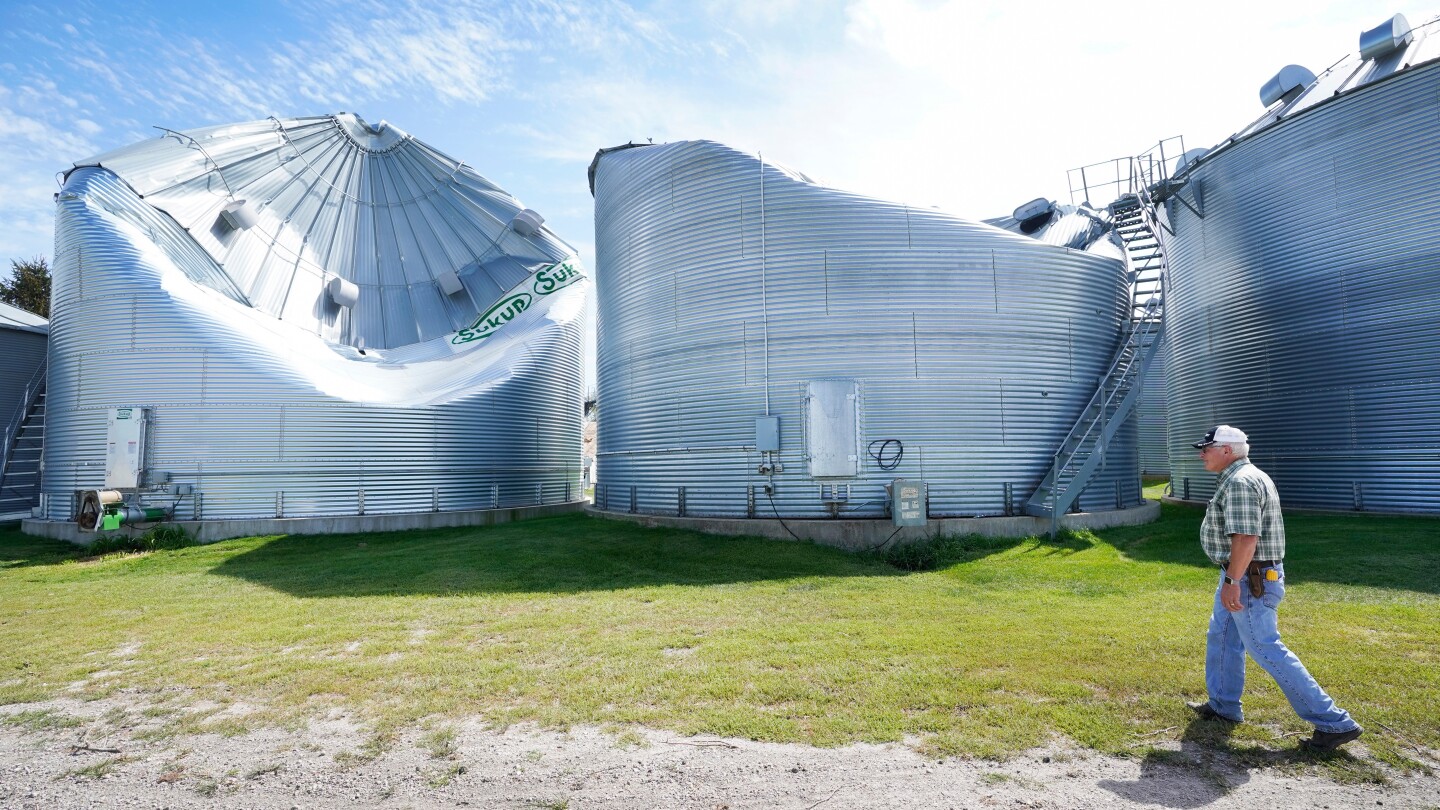
Derechos can happen almost anywhere in the United States but are most common in the central and eastern regions of the country. Winds typically gust over 60 mph (97 kmh) and can cause damage comparable to tornadoes or hurricanes.

Here’s what you need to know about this uncommon form of extreme weather.

What is a derecho?

A derecho is a long-lived line of storms that often produces extreme wind damage, said Gino Izzi, a meteorologist at the National Weather Service’s office in Chicago. Derechos can last eight hours or longer and travel hundreds of miles (kilometers) across the country with winds typically gusting over 60 mph (97 kmh). “There’s been instances where derechos have moved from Iowa all the way to Washington, D.C.,” said Izzi.

Because of the intense straight-line winds and vast distances a derecho can travel, the damage they cause is sometimes comparable to the destructive forces of tornadoes or hurricanes. Hurricanes are low-pressure systems that form over tropical or subtropical ocean waters and have organized thunderstorm activity, according to the National Oceanic and Atmospheric Administration.

Unstable air that is hot and humid is supportive of derecho formation. Derechos can happen any time of year, but July and early August are the prime time for this type of extreme weather, said Izzi.

Derechos are an uncommon weather event and usually a small number occur each year, but Izzi said several years could pass without a recorded derecho.

There are different types of derechos. Serial derechos tend to form with large, powerful storms and typically occur in early spring, fall and early winter. Progressive derechos are usually smaller and tend to form in summer as they feed off of hot, humid conditions. Hybrid derechos have characteristics of both serial and progressive types.

Conditions that are favorable for derechos can also lead to small, embedded tornadoes, which are violently rotating columns of air that extend down from a thunderstorm and reach the ground. Derechos tend to produce much more widespread damage than tornadoes because they can produce a swath of damage that exceeds 100 miles (160 kilometers) in width, whereas the damage from violent tornadoes is typically less than a mile (1.6 kilometers) wide.

Safety tips include using a radio to listen to the forecast, monitoring devices for severe weather alerts from the NWS and having access to a sturdy shelter. “It can go from nice, calm weather to 100 miles per hour winds blowing down trees in literally a matter of minutes,” said Izzi.

Where do derechos form?

Derechos can happen almost anywhere in the U.S. but are most common in the central and eastern regions of the United States.

Progressive derechos tend to favor the northern and central Plains eastward into the Midwest, Great Lakes, and Ohio Valley area. That is because domes of heat can form across central parts of the U.S. and derechos tend to form on the northern and northeastern flanks of the dome where there are high levels of atmospheric instability. This also tends to be where the jet stream winds are stronger. Humidity from crops like corn, also known as corn sweat, also magnifies how unstable the hot, humid air is.

A 2003 derecho traveled from Arkansas through several southern states, including Alabama, Georgia and South Carolina. Two people died and 11 were hurt.

A 2009 storm dubbed a Super Derecho by meteorologists traveled from western Kansas to eastern Kentucky. It caused several deaths and injuries and more than $500 million in damages by the time it had traveled more than 1,000 miles (1,600 kilometers).

A 2020 derecho that traveled from eastern Nebraska across Iowa and parts of Wisconsin and Illinois reached wind speeds of a major hurricane. The National Weather Service’s Storm Prediction Center reported winds approaching 100 mph (160 kph) in places. In Cedar Rapids, Iowa, residents emerged from their homes to find an estimated 100,000 trees had been snapped or torn out of the ground.

In December 2021, a derecho in the Great Plains and Upper Midwest spawned at least 45 tornadoes, caused widespread damage and killed at least five people.

Derechos can cause flash flooding

Derechos can be associated with a slow-moving or nearly stationary band of thunderstorms. This could potentially lead to heavy rainfall and flash floods that can cause significant damage. Flash floods associated with a derecho that occurred July 4-5, 1969, caused Killbuck Creek in Ohio to rise more than 20 feet (6 meters) above normal level and at least two dozen fatalities, according to NOAA.

___

The Associated Press’ climate and environmental coverage receives financial support from multiple private foundations. AP is solely responsible for all content. Find AP’s standards for working with philanthropies, a list of supporters and funded coverage areas at AP.org.


Source link

Share. Facebook Twitter Pinterest Bluesky Threads Tumblr Telegram Email
omc_admin
  • Website

Related Posts

This Minnesota Dairy Queen opens every March 1. Why? Tradition.

March 1, 2026

Death toll from heavy rains in southeastern Brazil reaches 64

February 27, 2026

Floods and landslides in Brazil kill at least 53

February 26, 2026
Add A Comment
Leave A Reply Cancel Reply

Top Posts

Federal Reserve cuts key rate for first time this year

September 17, 202513 Views

Inflation or jobs: Federal Reserve officials are divided over competing concerns

August 14, 20259 Views

Oil tanker rates to stay strong into 2026 as sanctions remove ships for hire – Oil & Gas 360

December 16, 20258 Views
Don't Miss

Oil Could Pass $100 as Strait of Hormuz Traffic Halts

By omc_adminMarch 2, 2026

Higher oil and gas prices are certain as the closure of the Strait of Hormuz…

Global oil prices may spike in next few days but calm down in longer term

March 2, 2026

Global oil prices may spike in next few days but calm down in longer term

March 2, 2026

Oil tankers attacked near Strait of Hormuz as Iran conflict disrupts shipping

March 1, 2026
Top Trending

Digital Product Passports Are Coming, and 2026 Is When the Real Work Begins

By omc_adminMarch 2, 2026

ESG Today: Week in Review

By omc_adminMarch 1, 2026

Winter getting shorter in 80% of major US cities, new data shows | US weather

By omc_adminFebruary 27, 2026
Most Popular

The 5 Best 65-Inch TVs of 2025

July 3, 202515 Views

AI’s Next Bottleneck Isn’t Just Chips — It’s the Power Grid: Goldman

November 14, 202514 Views

The Layoffs List of 2025: Meta, Microsoft, Block, and More

May 9, 202510 Views
Our Picks

Saudis Pulled Deeper into War after Strike around Key Refinery

March 2, 2026

PDVSA, African Energy Chamber sign MoU to boost oil and gas investment

March 1, 2026

Talos Losses Deepen | Rigzone

March 1, 2026

Subscribe to Updates

Subscribe to our newsletter and never miss our latest news

Subscribe my Newsletter for New Posts & tips Let's stay updated!

Facebook X (Twitter) Instagram Pinterest
  • Home
  • About Us
  • Advertise With Us
  • Contact Us
  • DMCA
  • Privacy Policy
  • Terms & Conditions
© 2026 oilmarketcap. Designed by oilmarketcap.

Type above and press Enter to search. Press Esc to cancel.