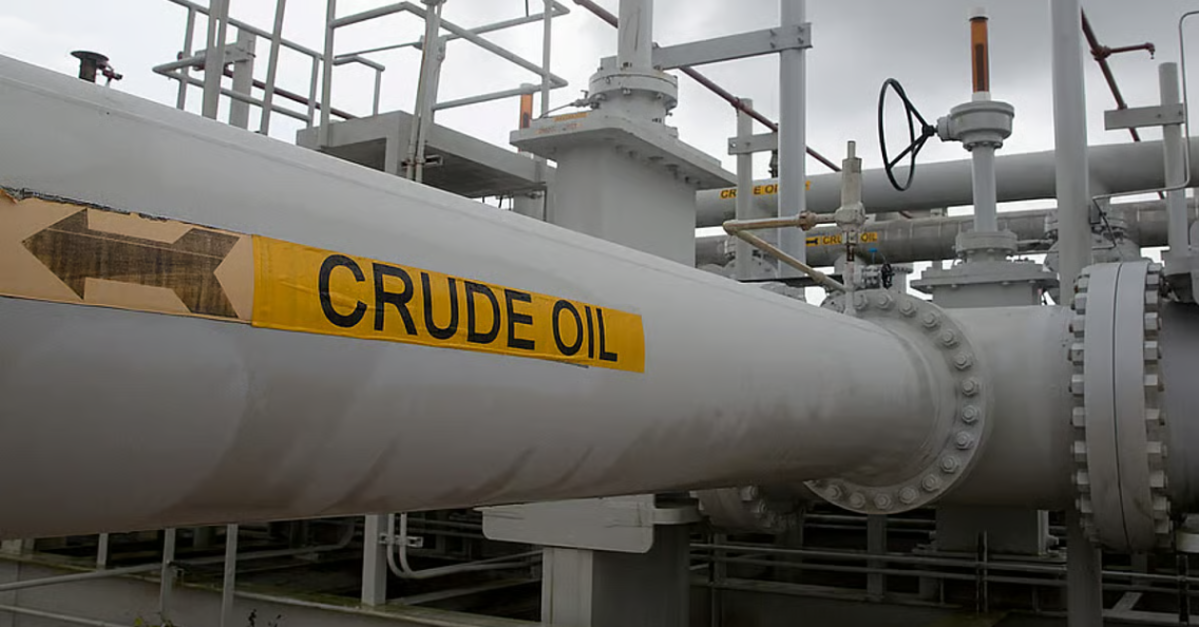
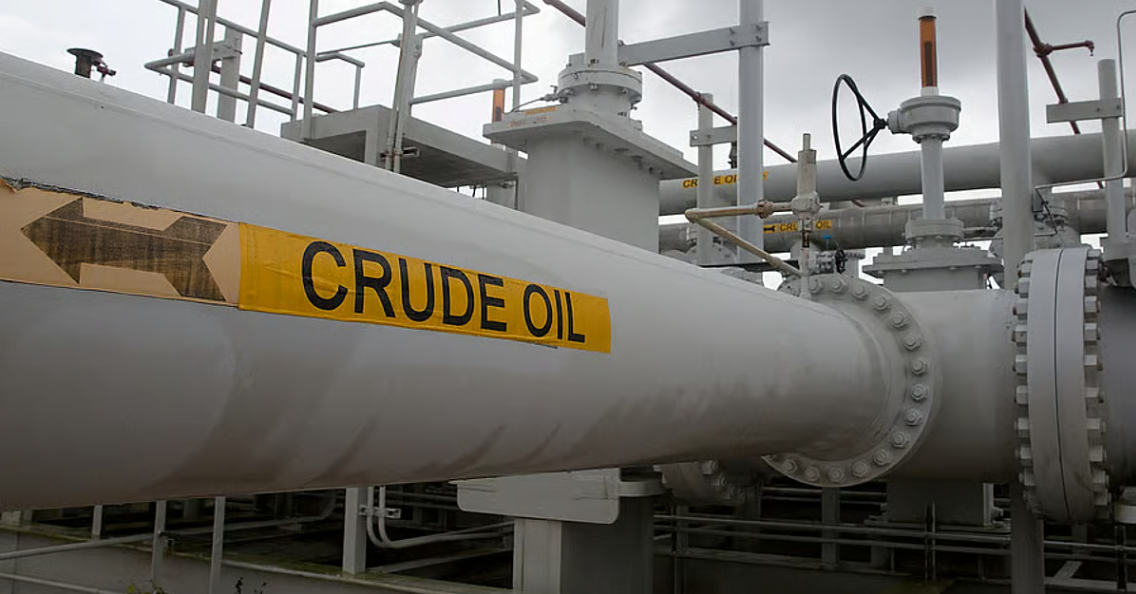
After Western nations imposed sanctions on Russia and stopped buying its oil due to its invasion of Ukraine in 2022, Russia’s heavily discounted oil started flooding India, helping India keep inflation in check and economy stable amid all the global turbulence. India relies on imports to meet more than 85 per cent of its crude oil needs.
While the Middle East was historically the main supplier, Russia has taken the lead in the past three years. But now India’s steady supply of cheap Russian oil is under serious threat.
Frustrated with Russian President Vladimir Putin’s double game of unabated attacks on Ukraine while appearing to be ready for a peace deal, US President Donald Trump announced early this week sanctions on buyers of Russian oil unless Russia agrees to a peace deal.
Trump’s threat of sanctions came with a 50-day grace period. “We’re very, very unhappy with (Russia). And we’re going to be doing very severe tariffs if we don’t have a (Ukraine peace) deal in 50 days. Tariffs at about 100 per cent , you’d call them secondary tariffs,” Trump said on Monday. NATO secretary general Mark Rutte also threatened India, China and Brazil with 100 per cent secondary sanctions if they continue doing business with Russia, even as he urged the leaders of these countries to press Putin to take peace talks with Ukraine seriously.
Meanwhile, Senator Lindsey Graham is pushing for the Sanctioning Russia Act of 2025, a bipartisan legislative proposal that threatens an unprecedented 500 per cent tariff on all US imports from countries that buy Russian oil, gas, petrochemicals or uranium.
Secondary tariffs mean that countries engaged in trade with Russia would face a 100 per cent tariff when exporting goods to the US. India and China are the top two buyers of Russian oil. Earlier, India had to yield to Trump’s oil sanctions when it stopped buying oil from Iran in 2019 after Trump, during his previous term as president, threatened secondary sanctions on buyers of Iranian oil.
Can India continue buying Russian oil?
Petroleum and Natural Gas of India Hardeep Singh Puri on Thursday said India is unfazed by US sanction threats as oil markets remain well supplied, adding that the prices will come down. Commenting on the threat of secondary sanctions, the minister said, “Russia is 10 per cent of global production. We have the analysis that if Russia were not included, the prices would have gone to 130 dollars a barrel. Even Turkey, China, Brazil and even the EU have bought oil and gas from Russia.” Last week, the minister had said India’s continued purchase of crude oil from Russia helped stabilise energy prices globally, and halting oil trade from Russia would have spiralled crude prices to over $120-130 per barrel. “I’m not worried at all. If something happens, we’ll deal with it,” Puri has said.
“There are two possibilities: one, the whole world consumes 10 per cent less — which means some people won’t get heating in winter; some won’t get air conditioning in summer; some of the transport will stop flying,” Puri said. “Or, you start buying more from the remaining 90 per cent (suppliers). You know what that would do to prices? The prices would skyrocket,” he said.
Puri’s comments indicate threats made by Trump and Nato of secondary sanctions may after all just be a negotiating tactic with Russia. As per a recent ET report, people familiar with the matter say that some NATO member states and European countries that have imposed sanctions against Russia continue to purchase Russian oil via third countries. The European Union plans to completely stop the import of Russian gas by 2027, but many nations still remain dependent on Russian gas and refined oil, they said, pointing out that in 2024, 18 per cent of the EU’s natural gas imports came from Russia.
Is Trump bluffing?
The oil market barely reacted to Trump’s threats of secondary sanctions on Tuesday, with Brent trading around $69 per barrel, similar to levels seen over the past week. As per an ET report, refinery executives said if implemented, the proposed tariff could effectively shut Russia out of the global oil market, pushing prices to $120 per barrel or more, derailing Trump’s own low-energy-price agenda and fuelling global inflation.
Russia exports about 4.5–5.0 million barrels per day (mbd) of crude oil, roughly 5 per cent of total global demand. In addition, it exports about 2 mbd of refined products.
Conversely, if India and China were targeted with 100 per cent tariffs for continuing to buy Russian oil, the resulting spike in US import costs from these countries could burden American consumers and prove politically difficult for Trump to manage, executives said. “This whole tariff game is about Trump trying to strike deals with countries, including Russia, not about disrupting energy trade or dealing with high inflation at home,” an executive told ET.
Another executive said Trump’s warning was just a ploy to induce seriousness in negotiations with Russia, whose leader Vladimir Putin has been following a dual-track strategy—engaging with Trump over the phone and talking of a peace deal, while simultaneously hammering Ukraine with an increasing barrage of missiles and drones.
How India can manage without Russian oil
If it really comes down to secondary sanctions, as threatened by Trump and Nato’s Rutte, how will India manage without Russian oil which is now more than 33 per cent of India’s total oil imports? According to a Centre for Research on Energy and Clean Air (CREA) analysis, since the ban on Russian oil, China has bought 47 per cent of Russia’s crude exports, followed by India (38 per cent ), the EU (6 per cent ), and Turkiye (6 per cent ). In FY22, Russia made up just 2.1 per cent of India’s oil imports. Come financial year 2024-25, Russia’s share in India’s value of oil imports is a staggering 35.1 per cent .
In FY22, India bought $2,256 million of Russian oil – three years later that number stands at a whopping $50,285 million. India’s oil imports from Russia rose marginally in the first half of this year, with private refiners Reliance Industries Ltd and Nayara Energy making almost half of the overall purchases from Moscow, according to data provided by sources to Reuters. India, the world’s third-largest oil importer and consumer, received about 1.75 million barrels per day of Russian oil in January-June this year, up 1 per cent from a year ago, the data showed.
Indian refiners expect that any move by Trump is unlikely to disrupt oil supplies but could wipe out the thinning discount on Russian crude, as traditional and new suppliers ramp up output, refinery officials told Reuters.
Since secondary tariffs will apply to the whole country and affect all merchandise exports, unlike the scenario where only the entities doing business with sanctioned Russian entities are penalised, India will find it tough to continue buying Russian oil because sanctions will weigh heavier than the advantage India gets from buying Russian oil on which discount has now thinned.
Indian refiners will have no other way than pivot towards its traditional West Asian suppliers and new players such as Brazil to make up for lost Russian supplies. These new barrels will, however, come at a higher cost, ranging around $4-5/barrel. Arranging alternative supplies will not be difficult, as “there is enough energy available in the world,” according to oil minister Puri. “Oil prices are still between $65 and $70,” he said.
India is already diversifying its oil imports. Puri said that India has broadened its oil import network. India has diversified the sources of supplies from 27 to 40 countries now, he said. Data from S&P Global Commodity Insights showed India’s crude imports from the US surged more than 50 per cent in the first half of 2025 compared to the same period last year, a sign that Indian refiners are once again warming up to non-OPEC sources. Shipments from Brazil saw the sharpest rise, growing 80 per cent year-on-year to 73,000 bpd from 41,000 bpd.