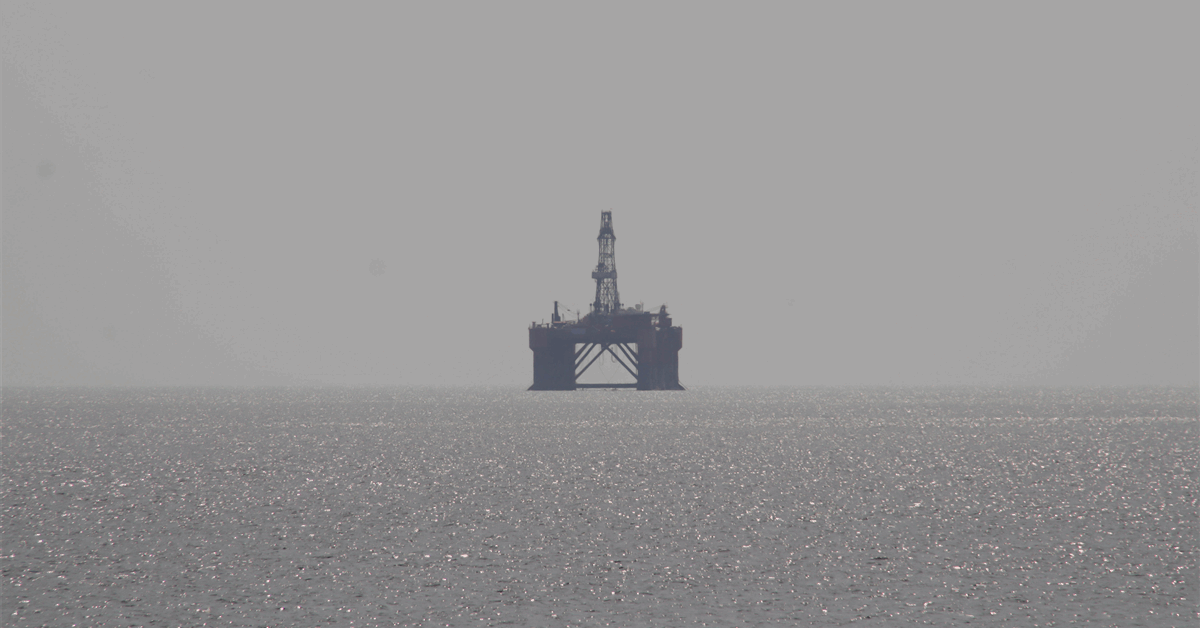
In a significant development for the deepwater energy sector, oilfield services giant Weatherford International plc has secured a pivotal, multi-year contract to provide its advanced managed pressure drilling (MPD) services for the Trion project in Mexico. This strategic win positions Weatherford at the forefront of complex offshore operations and underlines its commitment to expanding its footprint in critical international markets.
The Trion deepwater development, operated by Woodside Petróleo Operaciones de Mexico, will initially utilize Weatherford’s MPD expertise across eight wells. Critically for investors monitoring long-term revenue streams, the agreement includes an option to extend services to a total of 24 wells, indicating substantial potential for sustained engagement. While the financial specifics of this multi-year deal remain undisclosed, the scope and duration suggest a robust contribution to Weatherford’s future order book and revenue stability.
Technological Edge in Deepwater Drilling
A key differentiator in securing this high-profile contract is Weatherford’s proprietary Victus intelligent MPD system. This state-of-the-art solution is engineered to elevate drilling safety, optimize operational efficiency, and enhance overall well performance in challenging deepwater environments. The Victus system integrates algorithm-driven pressure control, offering unparalleled precision in managing downhole conditions. Furthermore, it leverages real-time downhole data to facilitate automated responses, significantly reducing human error and improving operational speed.
Perhaps most notably for deepwater applications, the Victus system incorporates the industry’s first field-proven deepwater riser system specifically designed for floating rigs. This innovation is crucial for navigating the extreme pressures and complex geological formations inherent in ultradeepwater projects, providing a competitive advantage that directly translates into safer and more efficient drilling campaigns for operators like Woodside and PEMEX. For investors, this technological leadership signals Weatherford’s capacity to capture high-value contracts in the most demanding segments of the oilfield services market.
The Strategic Importance of the Trion Project
The Trion project itself represents a landmark deepwater oil production endeavor for Mexico. Situated approximately 8,200 feet (2,500 meters) below the surface in the Gulf of America, the field lies about 112 miles (180 kilometers) east of the coast of Tamaulipas. Its proximity, just 18.6 miles (30 kilometers) south of the US-Mexico maritime border, also underscores its geopolitical and strategic significance.
Trion operates as a joint venture, with Woodside Petróleo Operaciones de México, S. de R.L. de C.V., holding a 60 percent operating interest. Petróleos Mexicanos (PEMEX), Mexico’s national oil company, retains the remaining 40 percent. This collaboration between an international major and a national oil company often signifies large-scale, long-term capital investments, making it a lucrative market for specialized service providers.
Weatherford’s President and CEO, Girish Saligram, emphasized the historical significance of the Trion development for Mexico’s energy landscape. He articulated the company’s pride in contributing trusted MPD technologies that promise enhanced safety, greater efficiency, and superior well delivery. This award, in Saligram’s view, further solidifies Weatherford’s standing as a reliable partner for intricate offshore operations, a sentiment that should resonate positively with investors seeking stability and growth in an evolving energy market.
Navigating Market Headwinds: A Look at Second-Quarter Financials
This significant contract award arrives against the backdrop of Weatherford’s recently reported second-quarter financial results, which showcased resilience amidst challenging market conditions. For the second quarter, the company posted revenues of $1.2 billion. This figure represented a modest 1 percent increase sequentially from the previous quarter, yet a 14 percent decrease when compared year-over-year. The year-over-year decline in revenue, as noted by CEO Saligram, was primarily influenced by previously announced divestitures and a broader slowdown in core operating markets.
Despite these revenue pressures, Weatherford demonstrated robust operational efficiency. Operating income for the quarter reached $237 million, marking a substantial 67 percent sequential improvement. However, this still represented a 10 percent decrease year-over-year. More encouragingly for shareholders, net income for the quarter surged to $136 million, an impressive 79 percent sequential increase and a solid 9 percent rise year-over-year. The ability to grow net income year-over-year, even with declining revenue, highlights effective cost management and a disciplined approach to operations.
Saligram acknowledged the prevailing “structural headwinds” impacting the global oilfield services sector during the quarter. These included geopolitical events, concerns over supply-demand imbalances, and general trade uncertainties, all contributing to a distinctly softer market environment. Nevertheless, he underscored that the “One Weatherford team” delivered results in line with expectations, attributing this performance to disciplined execution and operational efficiency. This speaks to the strength and adaptability of Weatherford’s operating model, which managed to deliver strong fundamentals despite external pressures.
Investor Outlook: Growth and Resilience
For investors, the Trion contract represents a clear positive signal. It not only reinforces Weatherford’s technological leadership in a highly specialized and lucrative segment but also provides a visible pipeline of work in a significant growth region. This long-term engagement helps mitigate some of the short-term volatility seen in the broader oil and gas market.
Coupled with the second-quarter financial performance, which showed impressive sequential gains in profitability and year-over-year net income growth despite revenue declines, Weatherford appears to be navigating a complex market with strategic wins and operational discipline. The company’s ability to secure major deepwater projects while simultaneously improving its profitability metrics suggests a resilient business model poised to capitalize on critical energy developments. As Mexico continues to unlock its deepwater potential, Weatherford’s role in projects like Trion will be a key indicator for its sustained growth and shareholder value in the coming years.


