Weatherford has secured a pivotal multi-year contract to deliver Managed Pressure Drilling (MPD) services for the Trion project, a significant deepwater oil production venture in Mexico. This strategic award, initially encompassing eight wells with the potential to expand to 24, firmly entrenches Weatherford’s leadership in high-performance MPD technology and dramatically boosts its footprint within Mexico’s burgeoning offshore energy sector. For investors, this contract underscores the enduring appeal of long-cycle deepwater projects and the critical role of specialized oilfield services in unlocking complex reserves, even amidst fluctuating global crude markets.
Weatherford’s Strategic Win in Mexico’s Deepwater Frontier
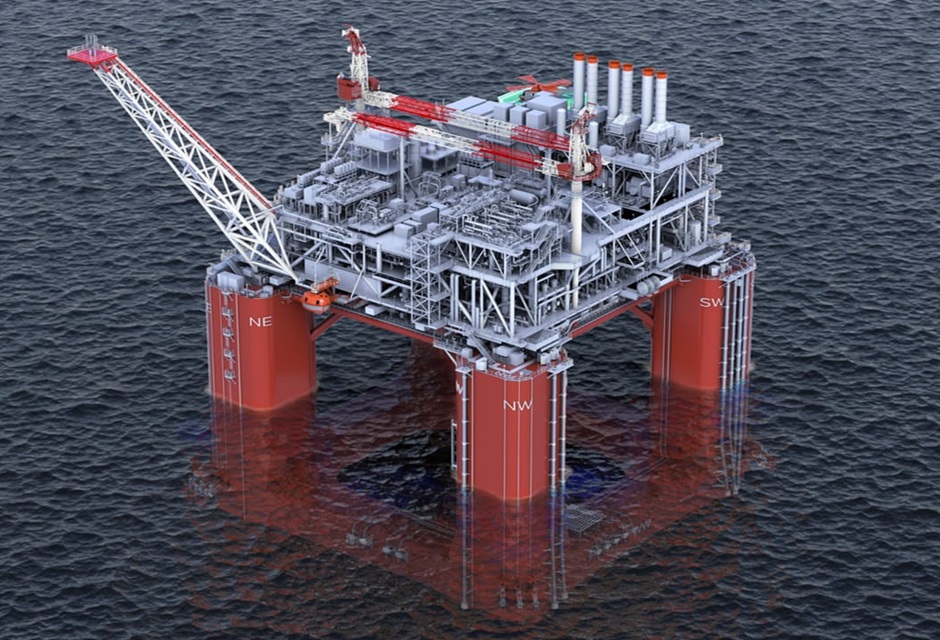
The Trion project represents a defining moment for Mexico’s energy landscape, situated in approximately 2,500 meters of water in the Gulf of Mexico, about 180 kilometers east of Tamaulipas. Operated by Woodside Petróleo Operaciones de México (60% stake) in a joint venture with Petróleos Mexicanos-PEMEX (40%), Trion is poised to become a key contributor to future regional oil production. Weatherford’s involvement, through its cutting-edge Victus™ intelligent MPD system, is central to the project’s success. This proprietary technology is engineered to significantly enhance drilling safety, efficiency, and overall performance, leveraging algorithm-driven pressure control, real-time downhole data, and a field-proven deepwater riser system. The ability to deliver safer, faster, and more consistent drilling across multiple well phases is not just a technological advantage; it’s a critical enabler for the economic viability of ultra-deepwater developments. This contract solidifies Weatherford’s reputation as a trusted partner for intricate offshore operations, providing a robust backlog and demonstrating confidence in their specialized capabilities for one of the most challenging environments in the oil and gas industry.
Navigating Volatility: Deepwater Investment Amidst Market Swings
The commitment to long-term deepwater projects like Trion provides a compelling counter-narrative to the short-term market volatility that has characterized crude prices recently. As of today, Brent crude trades at $90.38, reflecting a significant 9.07% decline within the day’s range of $86.08 to $98.97. Similarly, WTI crude has seen a substantial drop, settling at $82.59, down 9.41% from its daily high. This downward pressure is part of a broader trend, with Brent having shed $20.91, or 18.5%, since March 30th, when it stood at $112.78. Yet, despite these pronounced fluctuations, the multi-year nature of Weatherford’s Trion contract signals an unwavering long-term confidence in oil demand and prices. Deepwater developments inherently demand substantial upfront capital and extended timelines, making them less susceptible to daily price swings and more reliant on a robust, multi-year outlook for global energy consumption. For Weatherford, securing such a foundational contract in this environment speaks volumes about the indispensable nature of their high-performance MPD services and the essential role specialized technology plays in de-risking and optimizing these capital-intensive projects.
Forward Outlook: Trion’s Role in a Shifting Supply Landscape
The Trion project, with its potential to expand to two dozen wells, represents a significant future addition to global crude supply, particularly from the deepwater Gulf of Mexico. This development is crucial to consider against the backdrop of upcoming energy events that will shape the near-term supply narrative. Investors will be keenly watching the OPEC+ Joint Ministerial Monitoring Committee (JMMC) meeting on April 18th, followed by the full Ministerial meeting on April 19th, where decisions on production quotas will set the tone for global supply dynamics. The continuous flow of data from sources like the API Weekly Crude Inventory (April 21st, April 28th) and the EIA Weekly Petroleum Status Report (April 22nd, April 29th) will offer critical insights into current demand and inventory levels. Furthermore, the Baker Hughes Rig Count, scheduled for release on April 24th and May 1st, will provide an indication of drilling activity and future production potential. Trion’s progression underscores the industry’s imperative to bring new, complex deepwater production online to not only meet projected demand but also to offset natural declines in mature fields. This long-term supply commitment from a major project like Trion highlights the strategic importance of sustained investment in exploration and production, regardless of the immediate geopolitical or OPEC+ supply management decisions that often dominate headlines.
Investor Focus: Long-Term Value in Oilfield Services and Deepwater Assets
Our proprietary reader intent data reveals a consistent investor focus on the long-term trajectory of oil prices, with many asking about oil price predictions for the end of 2026 and the stability of OPEC+ production quotas. The Weatherford Trion contract directly addresses these long-term concerns, signaling a firm belief in future oil demand and the enduring value of deepwater assets. A multi-year contract with potential for 24 wells provides Weatherford with significant revenue visibility and backlog, crucial metrics for investors evaluating oilfield service companies in a cyclical industry. This commitment to advanced drilling solutions, specifically the Victus™ MPD system, highlights how technological innovation is not merely an operational nicety but a fundamental requirement for unlocking complex, high-value reserves safely and efficiently. For investors seeking exposure to the energy sector, Weatherford’s ability to secure and execute such demanding projects positions it as a resilient player, capable of generating value even when the broader market grapples with questions about future crude pricing and supply-side management. Investing in companies that provide essential, specialized services to the most challenging and strategically important projects offers a distinct path to long-term growth and stability within the dynamic oil and gas landscape.