The global energy landscape is currently grappling with a dramatic escalation of geopolitical tensions in the Middle East, an event that has sent palpable shockwaves across import-dependent economies, particularly throughout Asia. While the immediate reaction in benchmark crude prices has shown a surprising degree of containment, the underlying strains on supply chains, regional stability, and consumer confidence are undeniable. OilMarketCap.com’s first-party data pipelines offer a unique vantage point, revealing a complex interplay of market forces, investor sentiment, and critical upcoming catalysts that demand close attention from energy investors.
The Spreading Ripple Effect Across Asian Markets
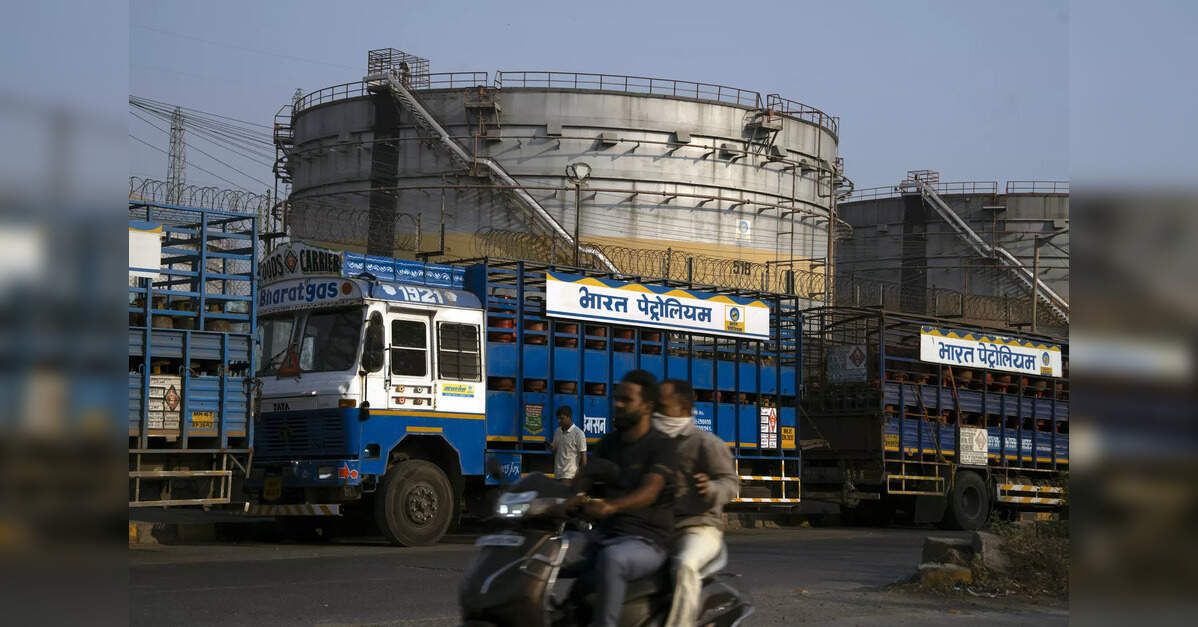
The recent intensification of conflict, marked by military actions and subsequent retaliatory strikes impacting vital energy infrastructure, has created an acute crunch for energy buyers across Asia. From India, where refinery executives are vigilantly monitoring developments in the Persian Gulf, to farmers in northern Thailand anxiously queuing for diesel ahead of the rice harvest, the disruption is already profoundly real. Reports indicate that energy distributors and refineries have begun to falter, leading to operational cutbacks. Industrial end-users are facing surging prices, while maritime fuel providers in Singapore have initiated rationing. The Philippines government has announced a shortened work week to conserve energy, and Bangladesh has limited street lighting during Ramadan. Even China has directed refiners to curtail exports, prioritizing domestic reserves. This rapidly evolving situation highlights the extreme vulnerability of global supply chains to Middle Eastern instability, with a Pakistani textile executive, Zafar Iqbal Sarwar of ZIS Textiles Pvt. in Faisalabad, noting a 35% increase in input costs and concerns that the entire industry could face a standstill if the situation persists. The disruption extends beyond fuel, impacting natural gas-dependent fertilizer production in nations like India and Pakistan, portending potential hikes in food prices or government subsidy expenditures.
Navigating Price Dynamics Amidst Geopolitical Volatility
Despite the severe nature of the geopolitical events, the immediate market reaction in crude prices has been unexpectedly subdued, a phenomenon that has puzzled many observers. As of today, Brent Crude trades at $92.77, reflecting a marginal dip of 0.5% within a day’s range of $92.57 to $94.21. Similarly, WTI Crude stands at $89.24, down 0.48% for the day. Gasoline prices have also edged lower, trading at $3.1, a 0.96% decrease. This relative stability, or even slight decline, is noteworthy given the direct threats to major oil-producing regions and critical shipping lanes like the Strait of Hormuz. Our 14-day Brent trend data further illustrates this, showing a decline from $101.16 on April 1st to $94.09 by April 21st, a decrease of over 7%. This suggests that while the risk premium is undoubtedly elevated, other factors are currently tempering outright price surges. These could include existing global inventory levels, cautious demand outlooks from major economies, or a market assessment that sustained, widespread supply disruption is not yet inevitable. However, energy executives and traders continue to warn that a breach of the $100 crude threshold remains a very real possibility should the conflict escalate further or persist longer than anticipated, fundamentally challenging current price containment.
Forward Indicators: What to Watch in the Coming Weeks
For investors seeking clarity in this volatile environment, the coming weeks are packed with crucial data releases that will offer deeper insights into market fundamentals and potential price trajectories. On Wednesday, April 22nd, and again on April 29th and May 6th, the EIA Weekly Petroleum Status Reports will be released. These reports provide invaluable details on U.S. crude oil and refined product inventories, refinery utilization, and demand indicators, offering a snapshot of the world’s largest consumer market. Investors will be keenly watching for any signs of inventory draws that could signal tightening supply or robust demand, especially in light of recent geopolitical events. Furthermore, the Baker Hughes Rig Count on April 24th and May 1st will provide insight into U.S. drilling activity and future production capacity, a critical factor in balancing global supply. The API Weekly Crude Inventory reports on April 28th and May 5th will serve as an early indicator ahead of the official EIA data. Perhaps most significantly, the EIA Short-Term Energy Outlook, scheduled for May 2nd, will offer the U.S. government’s updated projections for global oil supply, demand, and prices, incorporating the latest geopolitical developments. These upcoming events will be instrumental in shaping market sentiment and informing investment strategies, providing tangible data points beyond the immediate headlines.
Investor Concerns and Strategic Positioning in an Uncertain Market
In times of heightened geopolitical risk, our proprietary reader intent data reveals a clear surge in investor questions surrounding market direction and long-term price outlooks. Investors are actively questioning the trajectory of WTI crude, wondering if its current containment is sustainable or if an upward surge is imminent. The answer hinges on a complex interplay of current geopolitical events, the pace of U.S. production, and global demand shifts. While the immediate market has shown resilience, any further escalation in the Middle East, particularly involving the Strait of Hormuz, could rapidly alter WTI’s path. Many are also seeking predictions for the price of oil per barrel by the end of 2026, a forecast now fraught with greater uncertainty than just weeks ago. The current crisis underscores the difficulty in making long-term projections without a clearer resolution to regional conflicts. For those holding positions in companies like Repsol, questions about their performance in April 2026 reflect a broader concern about how integrated energy companies will fare amidst supply chain disruptions, fluctuating prices, and potential shifts in energy policy. In this environment, investors should prioritize companies with strong balance sheets, diversified asset portfolios, and robust risk management strategies. Focus on firms with resilient operational capabilities and a clear path to navigating both immediate market volatility and potential long-term shifts in energy supply and demand dynamics.


