

Valero’s Port Arthur Refinery Idles After Diesel Unit Fire: Investor Implications
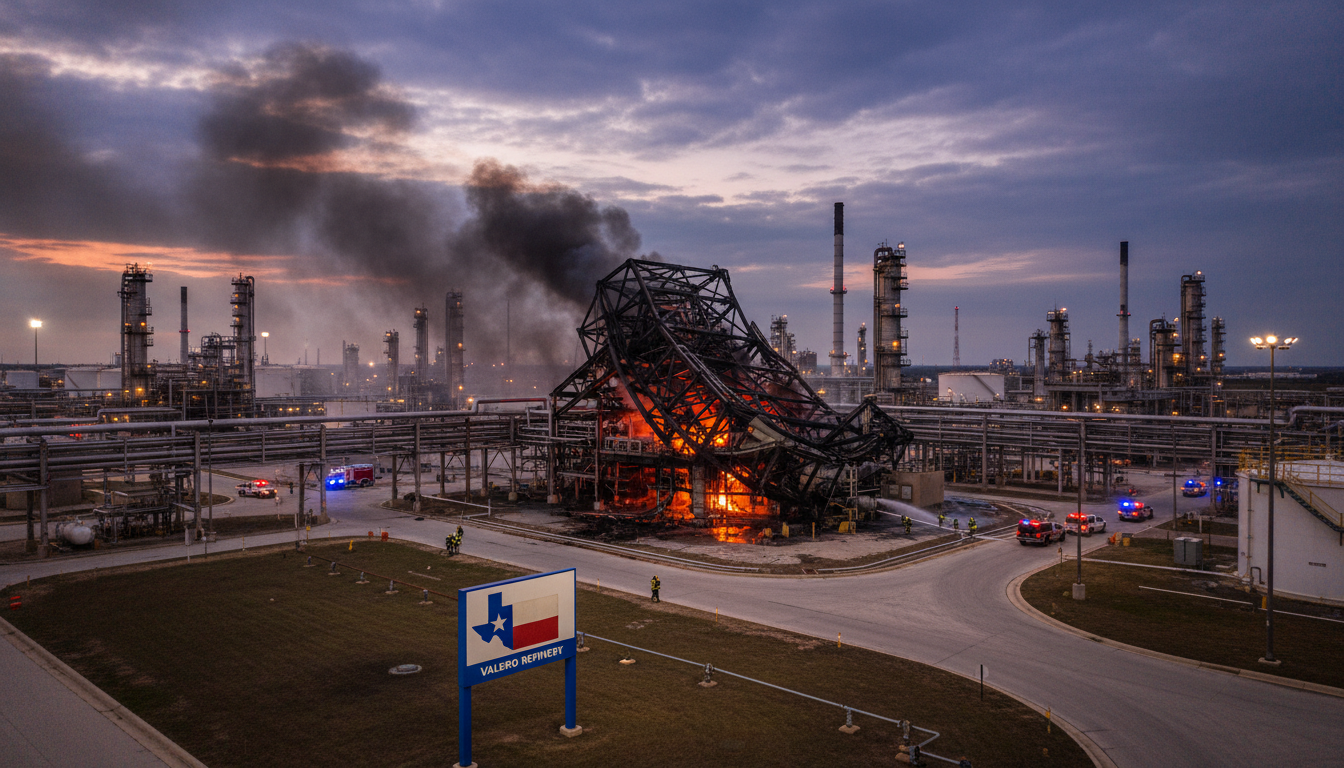
Valero Energy Corporation, a leading independent petroleum refiner, has initiated a full shutdown of its massive 380,000-barrel-per-day (bpd) refinery in Port Arthur, Texas. The critical decision followed a significant explosion and subsequent fire that erupted within a diesel hydrotreater unit at the facility. This incident, impacting one of the company’s most vital assets, sends immediate ripples through energy markets and warrants close attention from investors tracking refining sector performance and fuel supply dynamics.
Detailed Incident Report: A Blow to Gulf Coast Refining Capacity
The operational disruption at Valero’s Port Arthur complex began with an explosion around 7:30 p.m. CDT on Monday (0030 GMT, Tuesday), sending shockwaves across the region. Local sources confirmed the blast was audible up to 11 miles away, underscoring the intensity of the event. The epicenter of the incident was identified as the 47,000-bpd 243-diesel hydrotreater unit. This specialized unit plays an indispensable role in modern refining by utilizing hydrogen to strip sulfur compounds from motor fuels, ensuring compliance with stringent U.S. environmental regulations for cleaner-burning diesel.
Following the initial explosion, a tenacious fire raged for nearly five hours, compelling refinery operators to take decisive action. Reports from plant personnel indicated that the facility experienced a loss of crucial utilities, including water supply and steam, complicating firefighting efforts. Despite the dramatic nature of the event, encouraging news emerged regarding personnel safety, with no injuries reported from the facility. The complete shutdown of the Port Arthur refinery, Valero’s largest refining asset, became a necessary measure to contain the blaze and secure the plant.
Market Impact and Diesel Supply Outlook for Investors
The idling of a refinery of Port Arthur’s scale, particularly one situated on the U.S. Gulf Coast – a powerhouse of global refining – carries significant implications for refined product markets. Valero’s Port Arthur facility alone accounts for a substantial portion of the nation’s refining capacity. Its strategic location, approximately 86 miles (139 km) east of Houston, places it at the heart of a major energy infrastructure hub, making any prolonged outage a concern for regional and potentially national fuel supply chains.
Investors should particularly monitor the impact on diesel prices and crack spreads. The disabled 47,000-bpd diesel hydrotreater unit is central to producing compliant, low-sulfur diesel. a prolonged outage of this specific unit, let alone the entire refinery, could tighten diesel supplies, especially given the ongoing demand for distillate fuels in transportation, agriculture, and industrial sectors. The absence of this key processing capability could force Valero to seek alternative arrangements for meeting its supply commitments or reduce its overall diesel output, potentially driving up costs and impacting refining margins for other operators.
Valero’s Operational Footprint and Financial Considerations
As Valero’s largest refinery, the Port Arthur complex is a cornerstone of the company’s financial performance. It processes a diverse crude slate into various high-value products, with diesel being a critical component. Investors will now be keen to assess the financial fallout from this incident. Key considerations include the duration of the shutdown, the extent of damage to the diesel hydrotreater unit and surrounding infrastructure, and the associated repair costs. While insurance typically covers a portion of these losses, significant downtime can lead to substantial revenue shortfalls and impact quarterly earnings reports.
Furthermore, the incident raises questions about operational reliability and safety protocols within the refining sector. While industrial incidents are an inherent risk in complex operations, major events like this can sometimes trigger increased regulatory scrutiny and require significant capital expenditures for preventative measures or upgrades. Valero’s management will be under pressure to provide transparent updates on the incident’s investigation, repair timelines, and measures being taken to restore full operational integrity.
Navigating Uncertainty in the Refining Sector
The Port Arthur shutdown underscores the volatility inherent in the energy refining business. For energy investors, such events highlight the importance of diversified portfolios and understanding the operational risks associated with individual assets. While Valero is a robust operator with a broad refining network, the sheer size and strategic importance of its Port Arthur facility mean this incident cannot be overlooked.
The market will closely watch for Valero’s official statements regarding the root cause analysis, estimated repair duration, and projected restart schedules for various units within the refinery. Any extended outage could prompt shifts in regional product flows, potentially benefiting competing refiners with spare capacity or those importing fuels to fill supply gaps. As the situation unfolds, monitoring futures markets for refined products, particularly ultra-low sulfur diesel (ULSD), will offer immediate insights into the perceived impact on supply and demand balances. Investors should prepare for potential near-term fluctuations in Valero’s stock price as the market digests the full implications of this unexpected operational challenge.
