Asia’s Energy Pivot: Petron’s Russian Crude Deal Signals a New Era for Global Supply Chains
A landmark agreement allowing Philippine refiner Petron Corporation to secure Russian crude oil is sending clear signals across the global energy landscape. Enabled by a recent U.S. sanctions waiver, this strategic procurement highlights a broader, proactive push by Asian economies to diversify their energy sources and bolster resilience against mounting supply volatility. For oil and gas investors, this development is more than an isolated transaction; it represents a tangible shift in crude procurement strategies, underscoring the evolving geopolitical dynamics that are rapidly redrawing the global energy map.
Geopolitical Pressures Reshape Asian Crude Procurement Strategies
The catalysts driving these strategic shifts are deeply rooted in current global affairs. The U.S. waiver, issued earlier this month, was primarily designed to mitigate escalating pressures on global oil supply chains, particularly those exacerbated by significant disruptions to transit through the Strait of Hormuz since late February. This critical maritime chokepoint, essential for a substantial portion of the world’s crude oil trade, has seen its operational fluidity severely compromised. Consequently, Asia, which relies heavily on Middle Eastern producers for the bulk of its crude oil imports, has been disproportionately affected by the resulting supply crunch and price volatility. Amidst this strategic pivot, global crude benchmarks reflect ongoing uncertainty. As of today, Brent crude trades at $92.45, experiencing a 0.85% decline within a daily range of $91.39 to $94.21. Similarly, WTI crude stands at $88.69, down 1.09% for the day, oscillating between $87.64 and $90.71. This current price point for Brent represents a notable decline from the $101.16 observed on April 1st, marking a $7.07, or 7%, drop over the past three weeks. This trend underscores the persistent market sensitivity to geopolitical events and supply chain reconfigurations, making diversification a paramount objective for import-dependent nations.
The Philippines’ Urgent Quest for Energy Resilience
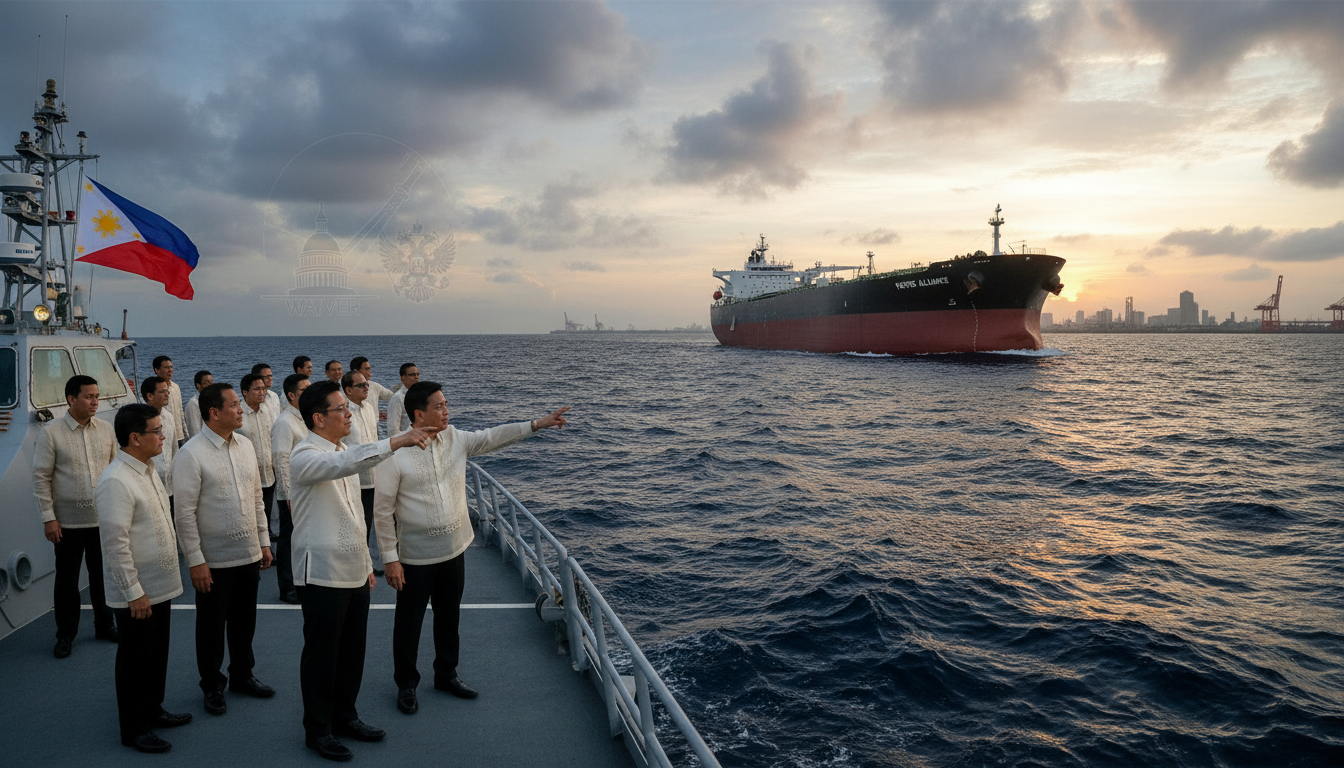
Petron’s acquisition of Russian crude is a direct response to the severe market dislocations faced by the Philippines, a nation acutely dependent on imported crude to fuel its economy. Ramon Ang, CEO of Petron, confirmed the receipt of this crude, emphasizing the calculated effort to fortify the nation’s energy independence. This move follows the U.S. regulatory adjustment which created an immediate window of opportunity for import-dependent economies to purchase Russian crude already loaded onto tankers. The severity of the supply squeeze has prompted the Philippine government to declare an emergency, highlighting the urgent need for robust alternative procurement strategies. Beyond this opportunistic purchase under the existing waiver, Manila is actively engaged in broader diplomatic discussions to secure additional supplies from a diverse array of global partners, including Japan, China, South Korea, and India. This comprehensive strategy reflects a national imperative to enhance energy resilience, moving beyond immediate relief to establish more stable, long-term procurement channels.
Investor Focus: Price Direction and Future Supply Signals
Our proprietary reader intent data reveals that investors are keenly focused on understanding the implications of such geopolitical shifts on market fundamentals. Common queries revolve around the future trajectory of crude prices, with frequent questions asking, “is WTI going up or down?” and seeking precise predictions for the “price of oil per barrel by end of 2026.” This underscores the intense market uncertainty surrounding global supply balances and the impact of new trade routes. Looking ahead, critical data points will offer further insights into these evolving dynamics. The EIA Weekly Petroleum Status Report, scheduled for April 22nd and again on April 29th, will provide crucial updates on U.S. crude inventories and demand. Additionally, the Baker Hughes Rig Count on April 24th and May 1st will indicate North American production trends. On May 2nd, the EIA Short-Term Energy Outlook will offer a more comprehensive forecast, helping investors gauge the potential for price stability or further volatility as Asian nations continue to diversify their energy portfolios. These upcoming events will be instrumental in shaping investor sentiment and refining price expectations in a global market grappling with unprecedented supply chain reconfigurations.
The Redrawing of the Global Crude Map and Investment Opportunities
The strategic shift by the Philippines to source Russian crude, even under a temporary waiver, represents a micro-level event with macro-level implications for oil and gas investors. It signifies a tangible acceleration in the redrawing of global crude trade routes, moving away from traditional Middle Eastern dominance towards more diversified, and sometimes unconventional, supply partnerships. This trend is likely to create new winners and losers among both crude producers and refining entities. Countries like Russia, facing existing sanctions, find new markets, while traditional suppliers may see their market share challenged in key growth regions. For investors, this necessitates a vigilant eye on the long-term strategic decisions of national oil companies and integrated energy majors. Monitoring these evolving trade patterns, understanding the regulatory landscape surrounding sanctions waivers, and assessing the long-term energy security strategies of import-dependent nations will be paramount for identifying emerging investment opportunities and managing risks in a rapidly transforming global energy market.


