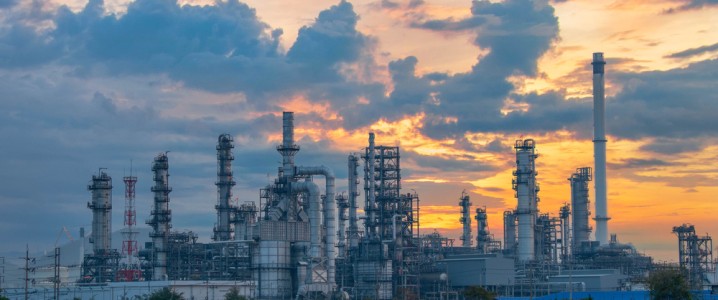
The global petrochemical sector is bracing for significant headwinds as escalating trade tensions, particularly U.S. tariffs, threaten to fundamentally reshape established trade flows and further depress already squeezed margins. New industry projections indicate a potential 15% decline in global petrochemicals trade, a staggering blow that would compound the 34% drop observed over the past five years. This unprecedented contraction, driven by a confluence of geopolitical maneuvering and persistent overcapacity, demands a thorough re-evaluation of investment strategies within the energy and chemicals value chain.
Tariffs Forcing a Global Trade Reroute
The immediate and most visible impact of U.S. tariffs has been a dramatic reorientation of petrochemical trade flows. With access to the U.S. market restricted, China, a dominant force in global petrochemical production, is redirecting its massive output to other Asian nations. This strategic pivot means increased supply flooding markets in South Asia, Thailand, Indonesia, Malaysia, and Vietnam. Executives within the industry confirm this shift, noting that these traditionally robust markets are now experiencing intense competition from Chinese exporters. For regional players, this translates directly into diminished market share and intensified pricing pressure. The ripple effect extends beyond immediate sales, influencing long-term investment decisions for new capacity and feedstock procurement across the continent.
Squeezed Margins and the Capacity Conundrum
The surge in Chinese supply into alternative Asian markets exacerbates an existing problem: global overcapacity. This surplus has already driven down margins across the petrochemical industry, pushing many producers, particularly in Asia, into challenging financial territory. Countries like China and South Korea have seen margins free-fall in recent months, with numerous companies struggling to achieve break-even points. In response, governments are actively intervening. China is reportedly taking steps to eliminate excess petrochemical capacity, a process that tariffs could accelerate. South Korea, for its part, has urged its struggling sector to undertake aggressive restructuring and capacity reductions. This structural adjustment will likely involve not only plant closures but also potential shifts in feedstock import dependencies, as China, for instance, has historically relied on the United States for critical propane and ethane supplies. Any disruption or re-sourcing of these foundational feedstocks could introduce new cost volatilities and supply chain complexities for investors to monitor closely.
Crude Volatility and Investor Focus on Feedstock Costs
The profitability of petrochemical operations is intricately linked to feedstock costs, primarily derived from crude oil and natural gas liquids. As of today, Brent crude trades at $98.51 per barrel, marking a 0.89% decline on the day, with a range between $97.92 and $98.58. WTI crude also saw a dip, resting at $90.18, down 1.09% with a daily range of $89.57 to $90.24. This current stability, however, belies a significant shift over the past two weeks; Brent has shed over 12%, falling from $112.57 on March 27th to its current level. Our proprietary data reveals that investors are keenly watching these crude price movements, frequently asking about current Brent levels and the factors driving them, underscoring the direct correlation between upstream energy costs and downstream petrochemical margins. The ongoing volatility in crude prices adds another layer of complexity for petrochemical producers, directly impacting their cost structures and ability to remain competitive amidst the tariff-induced trade disruptions.
Navigating Future Uncertainty: Key Events on the Horizon
Looking forward, several critical events on the energy calendar will significantly influence crude price trajectories and, by extension, the financial health of the petrochemical sector. The upcoming OPEC+ Joint Ministerial Monitoring Committee (JMMC) meeting on April 18th, followed by the full Ministerial Meeting on April 20th, looms large. Investors are keenly interested in these gatherings, frequently asking about OPEC+ current production quotas, as any adjustments to supply targets will directly impact global crude prices. A decision to maintain or alter current production levels could either provide some stability to feedstock costs or introduce further volatility. Beyond OPEC+, weekly data releases from the API and EIA on crude inventories (April 21st/22nd and April 28th/29th) will offer short-term demand and supply insights, while the Baker Hughes Rig Count (April 17th and April 24th) provides a crucial barometer for future upstream activity. These events will collectively shape the operating environment for petrochemical companies, dictating the cost of their primary inputs and influencing their ultimate profitability in a market already grappling with oversupply and trade friction. For investors, monitoring these signals is paramount to anticipating shifts in production economics and identifying resilient players in a challenging landscape.


