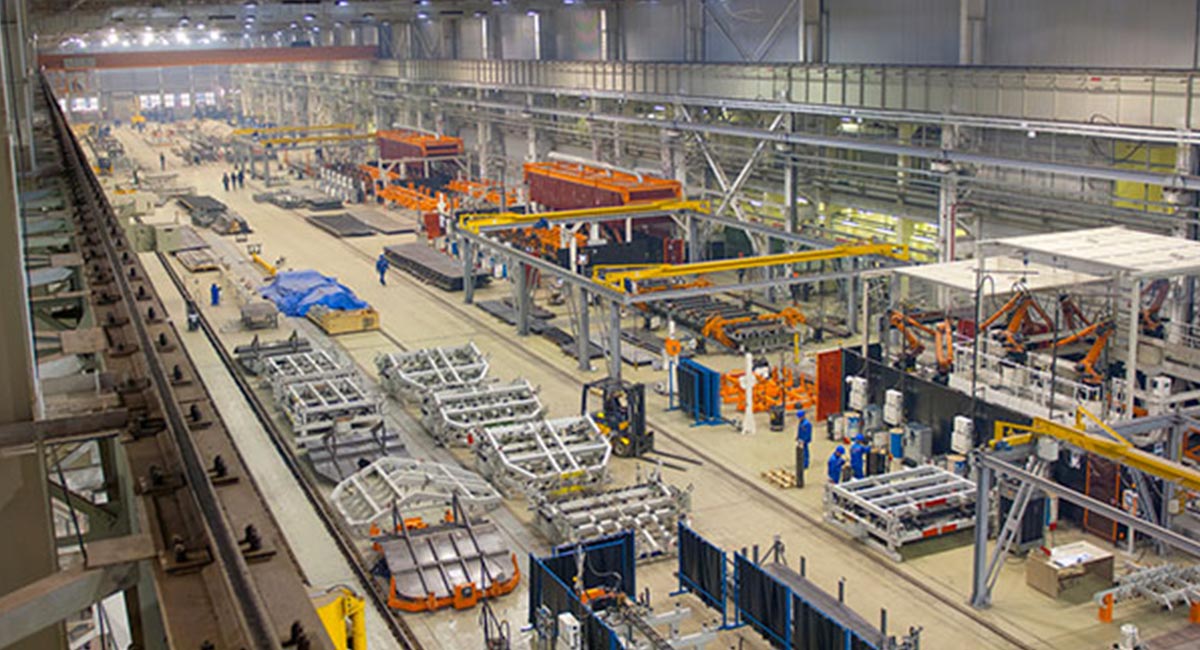
The narrative of reshoring US manufacturing has gained considerable traction, promising a revitalization of domestic industry, job creation, and enhanced supply chain resilience. For oil and gas investors, this trend initially appears to signal a potential boon: increased industrial activity translates to higher energy demand, from electricity generation to feedstock consumption. However, a deeper dive into the practicalities of this shift reveals a more nuanced, and often challenging, reality. Our analysis indicates that while the ambition is strong, the foundational elements required for a large-scale, sustainable reshoring boom are still largely underdeveloped, presenting significant hurdles that will delay any substantial energy demand upside.
The “Tariff Fog” and its Impact on Energy Market Volatility
A primary driver behind the reshoring push is the volatile landscape of international tariffs. This “tariff fog,” as it’s been termed by industry experts, creates an environment of unpredictability where companies struggle to forecast costs and make confident sourcing decisions even a few months out. This uncertainty directly translates to higher transportation and supply chain expenses, squeezing budgets and making long-term financial planning exceedingly difficult for manufacturers. For energy investors, this instability in manufacturing planning is a critical signal. As of today, Brent crude trades at $90.7 per barrel, marking a significant 8.74% decline. WTI crude mirrors this sentiment, trading at $82.75, down 9.24%. This acute daily volatility, compounded by a 14-day Brent trend showing a $14 (12.4%) drop from $112.57 on March 27th to $98.57 on April 16th, underscores a market grappling with broader economic uncertainty. While multiple factors contribute to these price swings, the struggles within manufacturing supply chains certainly play a role, dampening industrial demand sentiment and highlighting the fragility of any projected energy demand increases tied to reshoring.
Rebuilding Decades of Lost Expertise and Infrastructure
The enthusiasm for reshoring often overlooks the profound challenges inherent in rebuilding domestic production capabilities that have atrophied over decades. Industry analysts point out that many companies significantly underestimate the steep learning curve involved in restarting complex manufacturing operations in sectors where U.S. experience has largely faded. This isn’t just about hiring new workers; it’s about re-establishing intricate supplier networks, developing specialized skills, and training management teams on the intricacies of day-to-day production. The early successes in reshoring have largely been confined to light assembly or smaller-scale operations, which can be ramped up relatively quickly. However, the true prize — large-scale, heavy manufacturing — requires years, if not a decade, to establish, scale, and stabilize. This long lead time means that any significant, sustained boost in industrial energy demand from these larger operations remains a distant prospect, challenging the more optimistic timelines often presented.
Investor Focus: Bridging Reshoring Potential with Energy Demand Realities
Our proprietary reader intent data reveals a strong focus among investors on future oil prices, with queries like “what do you predict the price of oil per barrel will be by end of 2026?” consistently ranking high. There’s an intuitive link between a robust domestic manufacturing sector and increased energy consumption. However, the current state of reshoring suggests that this link is far from immediate. The difficulties in achieving consistent output and stable supply from new domestic plants, as highlighted by industry experts, mean that the energy demand curve from reshoring will likely be flatter and stretch over a much longer period than many anticipate. Furthermore, questions regarding the efficiency and energy intensity of these new domestic operations compared to their overseas counterparts remain. While the long-term potential for increased domestic energy consumption is real, investors must temper expectations for a rapid, significant uplift in industrial demand in the near to medium term. The challenges of skill gaps, infrastructure, and tariff uncertainty are formidable headwinds that will slow the pace of this energy transition.
Navigating the Near-Term: Supply Dynamics and Upcoming Catalysts
Given the protracted timeline for reshoring to materially impact overall energy demand, oil and gas investors must prioritize more immediate market catalysts. Our event calendar highlights several critical data points in the coming days that will offer clearer signals on supply and demand fundamentals. This Friday, April 17th, the OPEC+ Joint Ministerial Monitoring Committee (JMMC) meets, followed by the full OPEC+ Ministerial Meeting on Saturday, April 18th. These gatherings are paramount for understanding global crude supply policy, directly influencing near-term price stability. Furthermore, the API Weekly Crude Inventory report on Tuesday, April 21st, and the EIA Weekly Petroleum Status Report on Wednesday, April 22nd, will provide crucial insights into current demand trends and inventory levels within the U.S. These weekly data releases, alongside the Baker Hughes Rig Count every Friday, offer actionable intelligence that will likely drive market sentiment far more than the nascent and challenged reshoring movement in the immediate future. While the long-term vision of a re-industrialized America is compelling, present-day energy market dynamics remain heavily influenced by global supply decisions and immediate inventory shifts.