
It was one dance move too many for Venezuela’s President Nicolas Maduro. Maduro in late December rejected an ultimatum from President Donald Trump to leave office and go into a gilded exile in Turkey, according to several Americans and Venezuelans involved in transition talks.
Last week he was back onstage, brushing off a US strike on a Venezuelan port by bouncing to an electronic beat while his recorded voice repeated in English, “No crazy war.” Maduro’s regular public dancing and other displays of nonchalance in recent weeks helped persuade some on the Trump team that the Venezuelan president was mocking them and trying to call what he believed to be a bluff, according to two of the people, who spoke on condition of anonymity.
So the White House decided to follow through on its threats. On Saturday, a US military team swooped into Caracas, whisked Maduro and his wife, to New York to face drug trafficking charges.
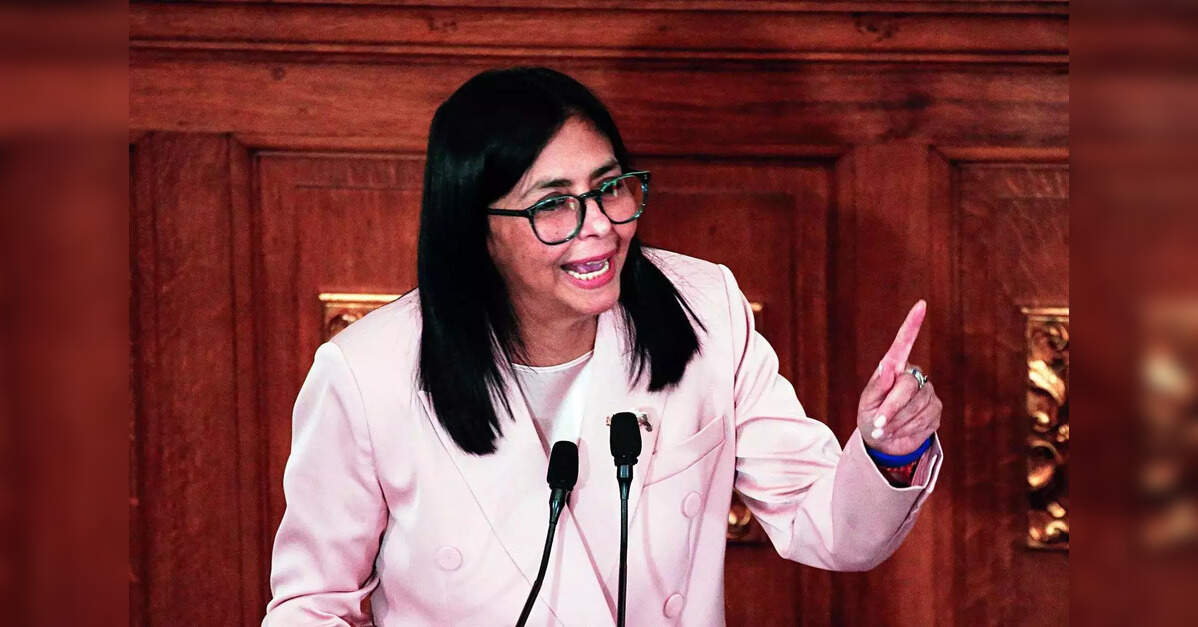
Weeks earlier, US officials had already settled on an acceptable candidate to replace Maduro, at least for the time being: Vice President Delcy Rodriguez, who had impressed Trump officials with her management of Venezuela’s crucial oil industry.
The people involved in the discussions said intermediaries persuaded the administration that she would protect and champion future American energy investments in the country. “I’ve been watching her career for a long time, so I have some sense of who she is and what she’s about,” said one senior US official, referring to Rodriguez.
“I’m not claiming that she’s the permanent solution to the country’s problems, but she’s certainly someone we think we can work at a much more professional level than we were able to do with him,” the official added, referring to Maduro.
US officials say that their relationship with Rodriguez’s interim government will be based on her ability to play by their rules, adding that they reserve the right to take additional military action if she fails to respect America’s interests. Despite Rodriguez’s public condemnation of the attack, a senior US official said that it was too soon to draw conclusions about what her approach would be and that the administration remained optimistic that they could work with her.