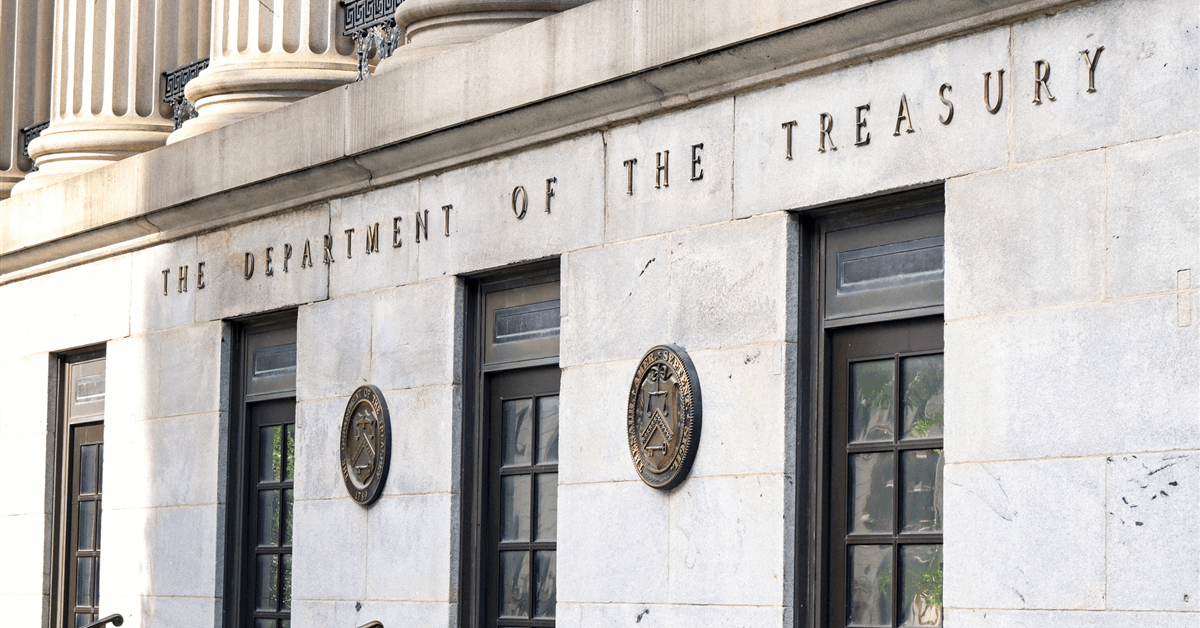
The global oil market is once again grappling with heightened geopolitical tensions as the United States intensifies its pressure campaign against Venezuela’s oil industry, now explicitly targeting Chinese firms and associated shipping. This strategic escalation by the US Treasury Department, aimed at disrupting the Maduro regime’s revenue streams, introduces a fresh layer of complexity for investors navigating an already volatile energy landscape. For those positioning their portfolios in crude, understanding the nuances of these sanctions, their potential impact on supply chains, and the broader geopolitical chessboard is paramount to making informed decisions in the coming months.
US Sanctions Net Widens to Encompass Chinese Oil Facilitators
In a significant move, the US Treasury Department’s Office of Foreign Assets Control (OFAC) recently added four companies with ties to Venezuela’s oil sector to its Specially Designated Nationals and Blocked Persons List. These entities, including Zhejiang-based Corniola Ltd. and Hong Kong-based Aries Global Investment Ltd., Krape Myrtle Co, and Winky International Ltd., have been accused of facilitating the evasion of existing restrictions. Alongside these firms, four vessels—Della, Nord Star, Rosalind, and Valiant—were also sanctioned. This action marks a notable shift, as direct targeting of Chinese companies involved in Venezuelan oil trade has been rare. Given that China stands as Venezuela’s largest oil customer, this development signals a more aggressive posture from Washington, aimed at compelling Beijing to reassess its engagement with the Maduro regime. The Treasury Department explicitly highlighted the regime’s increasing reliance on a “shadow fleet” to conduct sanctionable activities and generate revenue, underscoring the US’s commitment to choking off Venezuela’s primary financial lifeline.
This escalation is part of a broader, multi-pronged strategy. Beyond these recent sanctions, the US has undertaken direct interdiction efforts, intercepting two carriers and prompting a third to retreat from Venezuelan waters. Furthermore, US Southern Command reported striking three vessels on December 30th, resulting in their sinking and casualties. These actions, combined with earlier sanctions against Iranian and Venezuelan individuals and firms involved in weapons trading, illustrate a comprehensive approach to isolate the Maduro government, significantly elevating the operational risk for any entity engaging with Venezuela’s oil sector.
Market Dynamics and Investor Sentiment Amidst Geopolitical Pressure
The latest sanctions arrive at a pivotal moment for the crude market. As of today, Brent crude trades at $90.38, showing a slight dip of 0.06% within a day range of $93.87 to $95.69. WTI crude similarly sits at $86.68, down 0.85% today, fluctuating between $85.50 and $87.49. While today’s price movements are relatively subdued, these figures contrast sharply with the significant volatility observed over the past two weeks, where Brent crude experienced a notable decline from $118.35 on March 31st to $94.86 on April 20th, representing a substantial drop of nearly 20% (-$23.49). This broader downtrend, likely influenced by prevailing global economic concerns, provides a complex backdrop for assessing the impact of new sanctions.
Our proprietary reader intent data reveals a keen focus among investors on directional price movements, with questions like “Is WTI going up or down?” and broader inquiries about end-of-year oil price predictions for 2026 dominating discussions. This reflects a pervasive uncertainty, which escalating geopolitical actions only exacerbate. While Venezuelan oil exports represent a relatively small fraction of global supply, the systematic dismantling of its shadow fleet and the pressure on major customers like China contribute to a geopolitical risk premium. Investors are keenly aware that any further tightening of supply, however marginal, could have an outsized impact on prices if global demand holds firm or if other production disruptions emerge. The current market, therefore, presents a delicate balance between demand-side anxieties and supply-side geopolitical risks, making a clear directional forecast challenging without considering all contributing factors.
Upcoming Catalysts and Forward-Looking Analysis
Looking ahead, the implications of these sanctions will undoubtedly be a key talking point influencing market sentiment in conjunction with several critical upcoming events. The OPEC+ JMMC Meeting on April 21st will be closely watched for any signals regarding production policy. While Venezuela is not a primary driver of OPEC+ decisions, sustained pressure on its exports could subtly influence the group’s stance on maintaining or adjusting current output levels, especially if the global supply-demand balance tightens unexpectedly. Any indication of further cuts or adherence to existing commitments could provide upward momentum for prices, particularly with a constrained Venezuelan supply.
Furthermore, the EIA Weekly Petroleum Status Reports on April 22nd and April 29th, alongside the API Weekly Crude Inventory reports on April 28th and May 5th, will offer crucial insights into US inventory levels. Significant draws could signal a tighter market than anticipated, potentially amplifying the impact of reduced Venezuelan flows. Finally, the EIA Short-Term Energy Outlook on May 2nd will provide updated projections for supply, demand, and prices, and will be a critical read for how major agencies are incorporating geopolitical risks and evolving global economic conditions into their forecasts. Investors should monitor these events closely, as they will provide tangible data points against which to measure the evolving impact of the US sanctions strategy and the broader health of the oil market.
Strategic Implications and Long-Term Outlook for Venezuelan Oil
The US strategy, by targeting Chinese facilitators, aims to deliver a clear message to Beijing: continued support for the Maduro regime’s oil trade will incur significant penalties. This escalates the economic warfare and places China in a more difficult position, potentially forcing it to seek alternative, more compliant supply sources or risk further sanctions on its shipping and financial sectors. For Venezuela, whose economy relies almost entirely on oil exports, the consistent erosion of its customer base and shipping capabilities spells deeper economic crisis and further destabilization. While the Maduro regime has proven resilient, the long-term viability of its oil infrastructure, already dilapidated, will be severely tested by sustained international isolation.
For investors, this situation underscores the persistent geopolitical risk inherent in the oil market. While the direct volume of Venezuelan oil off the market may not be globally disruptive in isolation, the cumulative effect of such sanctions, combined with other supply-side risks and ongoing demand uncertainties, creates a volatile investment environment. The strategic chess game between Washington and Beijing over Venezuela’s oil is far from over, and its outcome will have lasting implications not just for the parties involved, but for the global trade routes and the overall stability of energy markets. Prudent investors will continue to diversify their energy holdings and remain highly attuned to evolving geopolitical developments, understanding that political decisions can rapidly reshape market fundamentals.


