

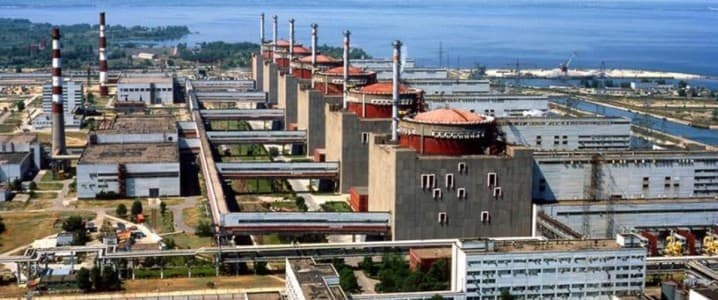
Russian media claimed on Friday that the Trump administration held talks with Russia over joint management of Ukraine’s Zaporizhzhia Nuclear Power Plant, including the potential to use its power for crypto mining, Russian newspaper Kommersant has revealed. The discussions, which have not been independently confirmed, were allegedly held without Ukraine’s participation, and likewise proposed resuming electricity supply to Ukraine.
The Zaporizhzhia Nuclear Power Plant is currently not supplying electricity to Ukraine, with its six reactors in cold shutdown since 2022 when Russia invaded Ukraine. However, ZNNP still requires constant external power from Ukraine’s grid to cool the reactors and spent fuel, a connection that is frequently lost due to the ongoing conflict.
The plant is under Russian control, and its operations are focused solely on nuclear safety and cooling, relying on emergency generators when the main power lines are cut, which happens often. With a total installed capacity of 5.7 gigawatts (5,700 megawatts), ZNNP is the largest nuclear power plant in Europe. Located in Enerhodar, ZNNP supplied ~20% of Ukraine’s electricity.
Ukraine continues to attack Russia’s energy infrastructure with peace talks still ongoing. Ukraine hit a major Russian oil refinery with British Storm Shadow missiles on Thursday.
According to the Ukrainian General Staff, Ukraine hit the Novoshakhtinsk oil refinery in Rostov, one of southern Russia’s biggest suppliers of oil products. Located 1,400km (870 miles) from the Ukrainian border, the giant refinery is responsible for supplying jet fuel and diesel to Russian troops fighting in Ukraine.
Last month, a Ukrainian drone strike on an oil-loading facility near Novorossiysk completely stopped exports, affecting 2% of global supply. Ukraine’s deep-strike drone campaign targeting Russia’s oil and gas production facilities has impacted half of Russia’s major oil and gas facilities and cost its bigger adversary ~10% of its refining capacity, according to industry experts.
“Ten percent, it’s not an astonishing number,” says Tatiana Mitrova of Columbia University. “But it is still something that starts to be felt with the Russian domestic fuel crisis, with reduced oil refined products exports, and general tension inside the Russian oil sector.”
By Alex Kimani for Oilprice.com
More Top Reads From Oilprice.com
