The global oil market is once again navigating a complex web of geopolitical maneuvers and supply-demand shifts, presenting both challenges and opportunities for astute energy investors. A recent decision by the US to broaden the authorization for nations to purchase sanctioned Russian crude oil and refined products was ostensibly aimed at tempering persistently high global crude prices. However, our proprietary data and market analysis suggest a more nuanced outcome, particularly for key buyers like India, who may now face stiffer competition and potentially higher premiums for these crucial barrels. This latest development underscores the intricate balance between geopolitical strategy and market fundamentals, demanding careful consideration from those positioned in the oil and gas sector.
US Policy Shift: A Double-Edged Sword for Crude Buyers
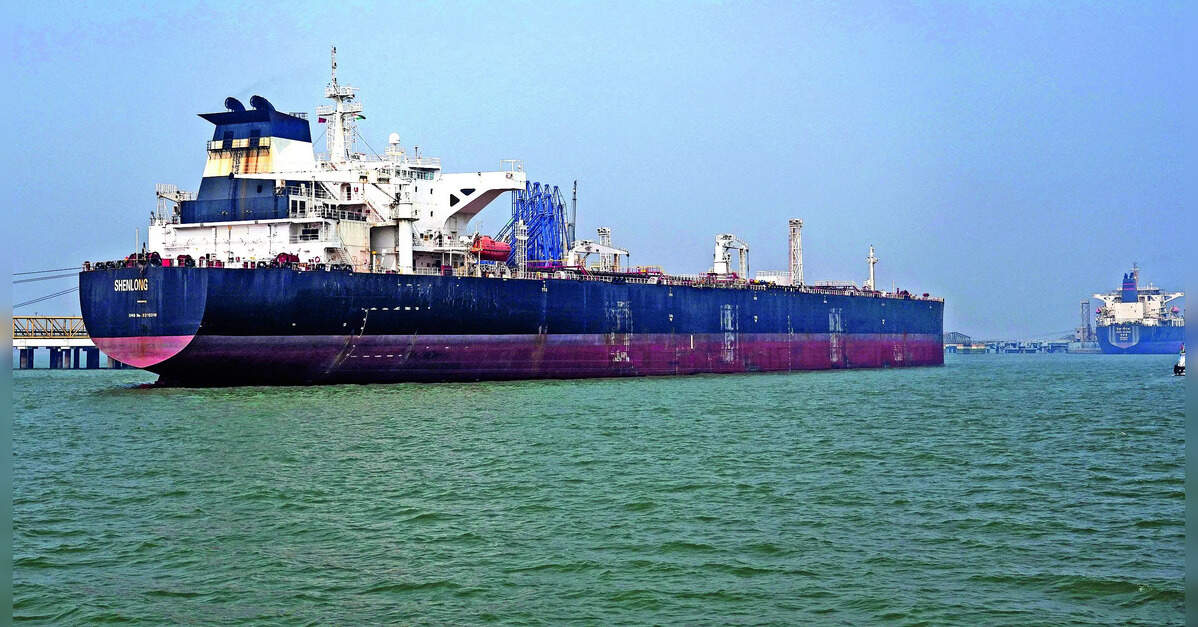
The US Treasury’s temporary authorization, permitting additional countries to purchase Russian oil already in transit as of March 12, was presented as a narrowly tailored, short-term measure to increase global supply reach. This move extends a benefit previously granted to India on March 5, which allowed Indian refiners to secure Russian volumes amidst global supply pressures exacerbated by the Gulf conflict. While designed to ease upward pressure on crude benchmarks, our analysis indicates this policy may ironically inflate acquisition costs for traditional buyers. With approximately 30 tankers, including 25 crude cargoes, currently floating in Asian waters and now open to a wider pool of purchasers beyond India and China, the competitive landscape has intensified. Russia, having sold crude at a discount since sanctions were imposed roughly four years ago, has recently seen premiums rise on these barrels due to Gulf-related supply disruptions. Increased buyer competition will only amplify this trend, potentially squeezing margins for refiners who have come to rely on discounted Russian crude.
Market Data Signals Underlying Volatility Amid Geopolitical Currents
As of today, Brent Crude trades at $92.96, reflecting a marginal dip of 0.3% within a daily range of $92.57 to $94.21. Similarly, WTI Crude stands at $89.36, down 0.35%. While these daily movements appear modest, they mask a significant underlying volatility. Our 14-day Brent trend data reveals a notable decline from $101.16 on April 1st to $94.09 on April 21st, representing a $7.07 or 7% drop. This recent softening in benchmark prices, despite the US move to free up Russian oil, indicates that broader market concerns, such as Iran’s hardening stance on blocking the Strait of Hormuz and the ongoing Gulf conflict, continue to exert substantial influence. Investors are clearly weighing the potential for increased physical supply against persistent geopolitical risks that could swiftly tighten markets. The temporary nature of the US authorization, applying only to cargoes already loaded, suggests a limited and fleeting impact on overall supply dynamics, leaving the market susceptible to other, more enduring pressures.
Addressing Investor Concerns: What Drives Future Oil Prices?
Our proprietary reader intent data highlights a pressing question from investors: “is WTI going up or down?” and what the “price of oil per barrel will be by end of 2026?” These inquiries underscore a pervasive uncertainty regarding market direction. The interplay between sanctioned oil flows, geopolitical flashpoints, and fundamental supply-demand dynamics will dictate future price trajectories. For instance, while the US action aims to inject more barrels into the market, it doesn’t resolve the core supply constraints stemming from the Gulf conflict or the broader OPEC+ production strategy. Investors must consider that a wider pool of buyers for a finite, albeit temporarily increased, supply of Russian crude could elevate its price floor, regardless of benchmark fluctuations. The long-term outlook for oil prices will be heavily influenced by global economic growth, energy transition policies, and the continued stability (or instability) of major producing regions. Portfolio adjustments should reflect an agile strategy that accounts for both short-term tactical shifts and long-term structural trends.
Upcoming Events to Shape the Q2 Energy Outlook
Looking forward, critical data releases and events over the next two weeks will provide crucial insights into market fundamentals, helping investors refine their positions. The EIA Weekly Petroleum Status Reports on April 22nd, April 29th, and May 6th will offer updated figures on crude oil, gasoline, and distillate inventories, providing a real-time pulse on US supply and demand. The Baker Hughes Rig Count, scheduled for April 24th and May 1st, will signal future production trends in North America. Perhaps most impactful for forward-looking analysis will be the EIA Short-Term Energy Outlook (STEO) on May 2nd. This report offers a comprehensive forecast for energy markets, including projections for crude oil prices, production, and consumption, which will be essential for investors making decisions for the remainder of 2026. Coupled with the API Weekly Crude Inventory reports on April 28th and May 5th, these events will cumulatively shape market sentiment and provide tangible data points to either reinforce or challenge current price trajectories. Investors should monitor these releases closely for indications of tightening or loosening market conditions that could significantly impact their holdings.
Investment Implications: Navigating a Complex Landscape
For refiners, particularly those in Asia like India, the expanded competition for Russian crude implies potentially higher input costs, which could compress refining margins unless product prices rise commensurately. This dynamic demands careful supply chain management and hedging strategies. For upstream producers, the sustained geopolitical risk premium and the potential for higher demand for non-sanctioned barrels could support stronger pricing and profitability, especially if global demand remains robust. Service companies might see continued activity in regions less impacted by sanctions, but overall capital expenditure decisions will remain sensitive to long-term price stability. In this environment, diversification across the energy value chain and a keen eye on both micro-market dynamics and macro-geopolitical shifts will be paramount. The oil market’s inherent volatility, amplified by policy interventions and persistent conflicts, requires investors to remain highly adaptable, leveraging real-time data and forward-looking analysis to identify and capitalize on emerging opportunities.


