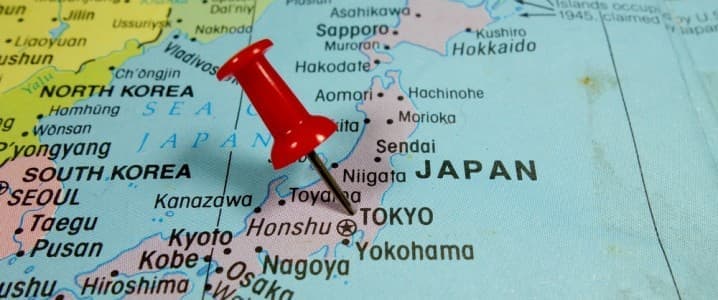
The strategic alliance between the United States and Japan is poised to reshape the global energy landscape, with a colossal $550 billion investment pledge from Japan slated for U.S. infrastructure. This monumental commitment, initially announced as part of a bilateral trade agreement, is now seeing a significant potential expansion into nuclear power. This isn’t just about trade; it’s a profound move towards strengthening U.S. energy independence, diversifying supply chains, and bolstering baseload power capacity. For sophisticated energy investors, this development signals long-term shifts in market dynamics, creating both opportunities and necessitating a re-evaluation of traditional investment theses in the oil and gas sector.
The Nuclear Renaissance: A Cornerstone of Future Energy Security
Central to Japan’s ambitious $550 billion investment in the United States is the potential inclusion of a major nuclear power project, with Westinghouse emerging as a key player. This move underscores a growing global recognition of nuclear energy’s role in achieving both energy security and decarbonization goals. While the finer details of this specific project are still under discussion, the commitment aligns with U.S. Secretary of Commerce Howard Lutnick’s vision of utilizing Japanese capital to “build our energy infrastructure, chip manufacturing, critical minerals mining, and shipbuilding.” Nuclear power offers a reliable, low-carbon baseload electricity source, vital for grid stability and supporting the increasing electrification demands of a modern economy. This strategic pivot towards advanced nuclear technology, backed by significant international capital, positions the U.S. to lead in a critical energy sector, offering a long-term hedge against the volatility of fossil fuel markets and providing a steady return profile for infrastructure-focused investors.
Navigating Current Market Volatility with Strategic Investments
The backdrop for these ambitious plans is a dynamic global energy market. As of today, Brent crude trades at $93.57, reflecting a modest daily gain of 0.35%, while WTI hovers at $90.12, up 0.5%. This relative daily stability, however, follows a more significant downturn over the past two weeks, during which Brent shed over 7%, dropping from $101.16 on April 1st to $94.09 by April 21st. Such price fluctuations naturally prompt questions from our investor community, with many keenly asking about the future trajectory of WTI and Brent. Our proprietary reader intent data shows a strong interest in understanding how these macro price movements interact with long-term strategic investments. This substantial U.S.-Japan energy infrastructure deal, particularly its focus on baseload power like nuclear and natural gas, offers a counter-cyclical hedge against traditional fossil fuel price swings. It represents a commitment to long-term energy stability and growth, providing a diversified component for portfolios heavily exposed to commodity price volatility. Investors are clearly looking for clarity amidst these shifts, and such large-scale projects can provide a foundational element in a rapidly evolving energy landscape.
Immediate Impact: Natural Gas and Export Capacity Expansion
While the nuclear component represents a forward-looking ambition, the initial tranche of Japan’s $550 billion pledge, totaling $36 billion, is already targeting tangible, high-impact projects. A significant portion of this capital is earmarked for the construction of a massive 9.2-gigawatt natural gas power plant in Ohio. This facility, set to be operated by a subsidiary of Japan’s SoftBank, SB Energy, will be the largest natural gas power plant in the United States. Its scale alone underscores a robust commitment to strengthening domestic grid reliability and expanding baseload power with affordable energy, directly addressing Secretary Lutnick’s stated goals. Furthermore, the initial investment includes plans for a deepwater oil port in the Gulf. This crucial piece of infrastructure is projected to generate an additional $20–30 billion annually in U.S. crude exports, solidifying America’s position as the world’s leading energy supplier. For investors, these projects represent immediate and substantial enhancements to both domestic energy security and global export capabilities, driving significant economic activity and reinforcing the U.S.’s pivotal role in international energy markets.
Upcoming Catalysts and the Long-Term Energy Outlook
The U.S.-Japan investment initiative is a multi-year endeavor, but investors should remain vigilant for upcoming events and data releases that will shape its progression and broader market sentiment. While discussions around the nuclear project were initially slated for detailed talks during the March 19 meeting between Japan’s Prime Minister Sanae Takaichi and U.S. President Donald Trump, progress on these complex ventures is continuous. Looking forward, our proprietary calendar highlights several key data points that will provide the macro context for these developments. Investors should closely monitor the EIA Weekly Petroleum Status Reports, scheduled for release on April 22, April 29, and May 6. These reports offer vital insights into crude inventories, production levels, and refining activity, painting a clearer picture of domestic supply-demand dynamics. Additionally, the Baker Hughes Rig Count releases on April 24 and May 1 will provide an indication of drilling activity and future production trends. Perhaps most critically, the EIA Short-Term Energy Outlook, due on May 2, will offer comprehensive forecasts on supply, demand, and prices across all major energy commodities, directly influencing the perceived long-term viability and strategic importance of such large-scale energy infrastructure investments. Our platform’s intent data reveals investors are increasingly looking beyond short-term price movements, evidenced by questions like “what do you predict the price of oil per barrel will be by end of 2026?” These upcoming reports will be crucial inputs for investors assessing the long-term impact of this U.S.-Japan energy partnership on global supply chains and energy security.


