Navigating the Crosscurrents: Why Geothermal is Becoming Oil & Gas’s Next Strategic Play
The global energy investment landscape remains a complex tapestry of volatility and strategic reorientation. Investors are grappling with macroeconomic headwinds, notably Federal Reserve Chair Jay Powell’s recent warnings of potential higher inflation and slower growth, compounded by persistent tariff policies. This backdrop has sent ripples through oil markets, prompting leading financial institutions like Goldman Sachs, HSBC, and JPMorgan to temper their crude price outlooks for both the immediate and upcoming years. Amidst this uncertainty, discerning capital allocators are keenly observing how major energy players are charting their course through the evolving energy transition.
Energy Majors Chart Divergent Pathways
In response to market dynamics and evolving environmental mandates, the world’s largest energy companies are adopting markedly different strategies. While European giants BP and Shell have notably scaled back their ambitions and investments in certain renewable energy ventures, TotalEnergies stands as a compelling counter-example. The French energy major has consistently pursued a dual-pronged approach, successfully boosting its oil and gas production by an impressive 3 percent annually. Simultaneously, TotalEnergies is committing a substantial $4 billion each year to its integrated power division, which is actively developing and operating a diverse portfolio of electricity generation assets, including wind farms, solar arrays, and gas-fired power stations. This “all-of-the-above” strategy underscores a calculated effort to balance traditional hydrocarbon revenues with burgeoning opportunities in electricity generation, offering a resilient model for future growth.
US Policy Shifts and the Renewable Energy Spectrum
Domestically, the United States has also witnessed significant shifts in its clean energy policy stance. The administration recently made headlines by halting a substantial $5 billion offshore wind project, an initiative under development by Norway’s Equinor. This move signals a more assertive stance against specific clean energy projects, particularly those involving large-scale wind and solar installations, which often face permitting challenges and local opposition. However, this broad skepticism towards certain intermittent renewable sources does not extend uniformly across the sector. Intriguingly, one particular renewable energy technology has found an unexpected and robust champion within the current US administration: geothermal power. This focused support indicates a strategic pivot towards technologies offering different grid characteristics and deployment advantages.
Geothermal: The Earth’s Heat as a Baseload Power Solution
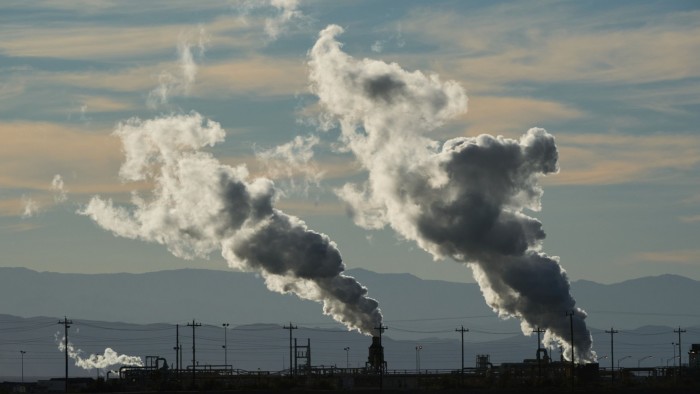
Geothermal energy, which harnesses the Earth’s inherent heat to generate continuous electricity, is quietly garnering significant momentum. This carbon-free, around-the-clock power source offers a compelling and often overlooked alternative to intermittent renewables like wind and solar, providing reliable baseload power. Its inherent stability and predictability make it an attractive option for grid operators and energy-intensive industries alike. The appeal of geothermal extends beyond traditional energy players, attracting substantial support from Big Tech companies. These firms are increasingly looking to power their energy-intensive data centers with sustainable, continuous electricity, recognizing geothermal’s ability to deliver consistent, green power. This robust corporate backing further underscores geothermal’s growing commercial viability and strategic importance in the broader energy transition.
Oil & Gas Expertise Fuels Next-Generation Geothermal
Historically, conventional geothermal power plants faced significant geographical limitations, requiring proximity to natural reservoirs of hot water and steam beneath the Earth’s surface. These naturally occurring hydrothermal systems are scarce, restricting widespread deployment. However, a new generation of geothermal technology, particularly Enhanced Geothermal Systems (EGS), is poised to revolutionize the sector by unlocking heat resources virtually anywhere with sufficient depth. This is where the profound expertise of the oil and gas industry becomes not just relevant, but absolutely critical.
Oil and gas companies possess an unparalleled suite of skills and technologies directly transferable to advanced geothermal development. Their core competencies in deep drilling, directional drilling, and complex well construction are essential for accessing the deeper, hotter rock formations required for EGS. Subsurface imaging, geological modeling, and reservoir engineering – disciplines honed over decades of hydrocarbon exploration and production – are invaluable for understanding geothermal reservoirs, optimizing heat extraction, and managing fluid injection/re-injection cycles. Furthermore, the industry’s experience with high-pressure, high-temperature environments, along with its robust project management capabilities for large-scale energy infrastructure, positions it uniquely to drive the industrialization and scalability of next-generation geothermal projects.
For oil and gas investors, this represents a significant diversification bet. As the energy transition accelerates, O&G firms can leverage their existing asset base of technical knowledge, human capital, and even some infrastructure to pivot into a high-growth, baseload renewable energy sector. This isn’t merely a tangential venture but a strategic leveraging of core strengths into a new, sustainable revenue stream. Companies that proactively invest in and develop geothermal capabilities are not just “going green”; they are strategically repositioning themselves to thrive in a diversified energy future, mitigating risks associated with long-term hydrocarbon demand fluctuations and tapping into new markets for their profound subsurface expertise. This synergy presents a compelling investment thesis, aligning environmental goals with robust financial returns in the quest for stable, carbon-free energy.