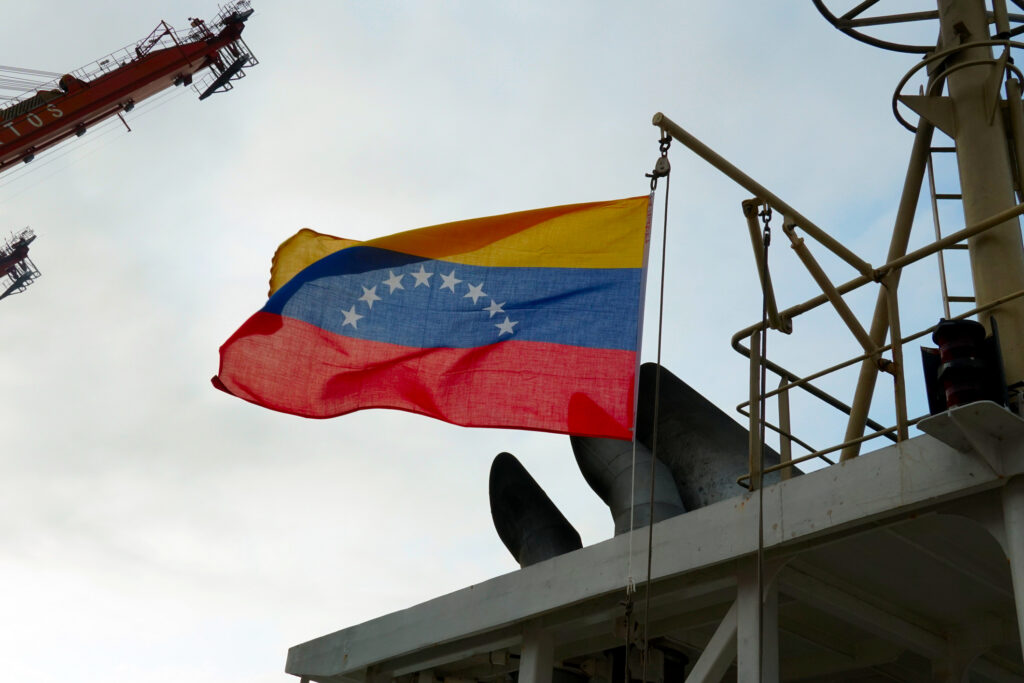
The United States’ recent move to seize 1.8 million barrels of Venezuelan crude oil aboard the Motor Tanker Skipper marks a significant escalation in its pressure campaign against sanctioned regimes and illicit oil trade. This action, stemming from an alleged scheme dating back to 2021 to benefit Iran’s Islamic Revolutionary Guard Corps (IRGC) through the shipment and sale of petroleum products from both Iran and Venezuela, sends a clear signal to the market. For energy investors, this event underscores the persistent geopolitical risks influencing global oil supply and highlights the complexities of navigating an increasingly fractured energy landscape. While the volume itself is not transformative for daily global supply, the implications for enforcement, market sentiment, and the future of ‘shadow’ oil flows are profound.
Geopolitical Assertiveness and the Shadow Fleet
The forfeiture bid, initiated by the Justice Department, targets crude supplied by Venezuelan state-run company PDVSA and reveals the intricate methods employed to circumvent international sanctions. The Motor Tanker Skipper allegedly engaged in sophisticated tactics, including spoofing locations and flying false flags, to obscure its routes and conceal its illicit activities. This seizure, which followed a U.S. operation near Venezuela in December and subsequent capture of President Nicolas Maduro in January, is part of a broader strategy to exert pressure and disrupt financial lifelines to regimes deemed hostile. From an investment perspective, these actions, while focused on specific geopolitical objectives, inevitably tighten the operational environment for all actors in the oil trade. The risk premium associated with certain supply chains or regions could see an upward adjustment as the U.S. demonstrates its willingness to “deploy every legal authority at our disposal” to dismantle operations defying its laws and sanctions.
Market Response and Investor Focus
Despite the headlines generated by such seizures, the immediate impact on benchmark crude prices has been relatively muted, reflecting the ongoing tug-of-war between supply concerns and broader economic indicators. As of today, Brent Crude trades at $93.81, showing a modest daily gain of 0.61%, within a daily range of $93.52 to $94.21. Similarly, WTI Crude stands at $90.27, up 0.67%, with a range of $89.71 to $90.70. This stability, however, masks a more volatile recent past for Brent, which experienced a significant nearly 20% decline from $118.35 on March 31st to $94.86 on April 20th. Investors are keenly asking about the direction of WTI and the long-term price trajectory for oil per barrel by the end of 2026. While single seizure events like that of the Skipper don’t dramatically shift the supply-demand balance, they contribute to a cumulative effect of tightening available barrels and increasing the cost of doing business for those operating outside conventional channels. This consistent pressure on illicit trade could indirectly support prices by reducing the volume of discount crude entering the market over time.
The Long-Term Squeeze on Illicit Oil Flows
The 1.8 million barrels involved in this forfeiture represent a fraction of global daily oil consumption, which typically hovers around 100 million barrels. Therefore, the direct impact on global supply fundamentals is minimal. However, the significance lies in the precedent and the message it conveys. The U.S. Justice Department’s continued pursuit of these cases signals an enduring commitment to enforcing sanctions against Venezuela and Iran. This sustained enforcement effort could gradually erode the profitability and operational viability of the “shadow fleet” – the network of aging tankers and opaque shipping companies that facilitate the movement of sanctioned oil. As these vessels face greater scrutiny, higher insurance costs, and increased risk of seizure, the overall friction in the global oil supply chain increases. For investors, this means factoring in a persistent, albeit slow-burning, reduction in the availability of non-sanctioned barrels, potentially leading to a tighter market and higher baseline prices in the medium to long term, especially if geopolitical tensions continue to escalate in key producing regions.
Navigating Future Supply Signals: Key Events Ahead
As investors grapple with these geopolitical complexities, several upcoming energy events will provide critical signals for the market’s direction. The OPEC+ Joint Ministerial Monitoring Committee (JMMC) Meeting on April 21st is a crucial near-term event. Any statements or indications regarding production quotas or market stability from this influential body will immediately impact sentiment. Following closely, the EIA Weekly Petroleum Status Reports on April 22nd and April 29th will offer insights into U.S. crude oil inventories, refining activity, and demand, which are key drivers for WTI prices. The Baker Hughes Rig Count reports on April 24th and May 1st will provide a pulse check on domestic drilling activity and future supply potential. Further out, the EIA Short-Term Energy Outlook on May 2nd will offer a more comprehensive forecast for supply, demand, and prices. Investors should monitor these events closely, as their outcomes, when combined with ongoing geopolitical pressures and enforcement actions like the Skipper forfeiture, will paint a clearer picture of the supply-demand dynamics shaping the oil market through the rest of 2026 and beyond. The consistent pressure on illicit flows, though not an immediate market mover, will contribute to the underlying tightness that these reports and meetings will reflect.