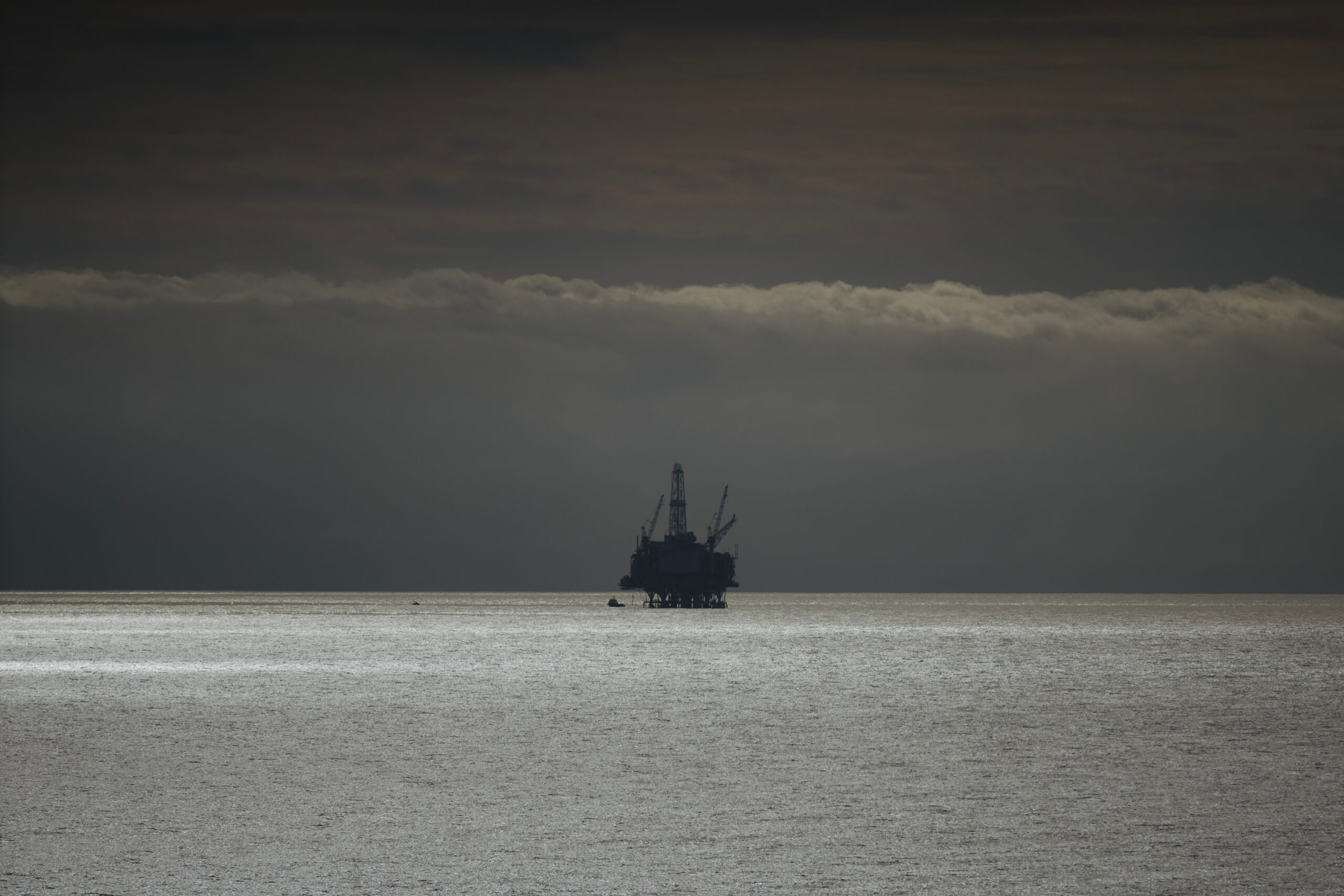
The U.S. Department of the Interior’s recent decision to fast-track the environmental review for an offshore well stimulation program at Platform Gilda marks a significant development for domestic energy production and investment sentiment. Located approximately 8.8 miles off Ventura County, California, this proposal by operator DCOR seeks to utilize hydraulic fracturing on 16 existing wells within the Santa Clara Unit. This accelerated process, initiated under revised National Environmental Policy Act (NEPA) procedures linked to a national energy emergency, signals a potential shift in regulatory priorities, emphasizing energy security and the optimization of existing assets. For investors keenly watching the interplay between policy, supply, and market dynamics, this move offers a fascinating case study on unlocking value from mature fields amid evolving market conditions.
The Urgency Behind California’s Offshore Revival
The impetus behind this expedited review process is rooted in a declared national energy emergency, providing the framework for the Bureau of Ocean Energy Management (BOEM) to streamline its environmental impact statement (EIS) preparation. Acting BOEM Director Matt Giacona underscored that while maintaining robust oversight, the revised NEPA procedures aim to accelerate crucial environmental analyses. The timeline for this review is remarkably compressed, expected to conclude in roughly 28 days from the Notice of Intent. This swift turnaround highlights a clear regulatory intent to address domestic energy needs with increased urgency, directly impacting the operational outlook for DCOR and the broader California offshore sector.
Platform Gilda, a stalwart of California’s energy infrastructure since its installation in 1981, has already demonstrated substantial productivity, yielding over 42.6 million barrels of oil and more than 51.7 billion cubic feet of natural gas to date. The proposed well stimulation program targets enhancing recovery from these established wells, representing a brownfield development strategy focused on maximizing the potential of existing infrastructure rather than initiating new exploration. This approach is often favored by operators seeking to optimize capital expenditure and leverage proven reserves, a factor that resonates with investors seeking efficient resource deployment.
Market Snapshot: Domestic Supply and Price Stability
The potential for increased domestic output from projects like Platform Gilda takes on added significance when viewed against the backdrop of current market volatility. As of today, Brent crude trades at $92.99 per barrel, reflecting a modest 0.27% decline within a daily range of $92.57 to $94.21. Similarly, WTI crude is priced at $89.51 per barrel, down 0.18% from its opening, oscillating between $88.76 and $90.71. This follows a broader softening trend observed over the past two weeks, where Brent crude has retreated over 7%, dropping from $101.16 on April 1st to $94.09 by April 21st.
Our proprietary reader intent data reveals a strong investor focus on price direction, with frequent inquiries around whether WTI is “going up or down” and predictions for year-end oil prices. This fast-tracked California offshore plan, while representing a relatively modest increment to global supply, could serve as a psychological bulwark against extreme price swings by signaling a commitment to domestic production. Even marginal increases in U.S. supply can influence market sentiment, especially when global supply chains face geopolitical uncertainties. Furthermore, a stable supply outlook could contribute to moderating gasoline prices, which currently stand at $3.12 per gallon, a figure closely watched by both consumers and policymakers.
Navigating Regulatory Hurdles and Future Milestones
The accelerated 28-day timeline for the EIS means that a crucial decision on Platform Gilda’s future is imminent. The 10-day public scoping period, which included a virtual meeting on March 24th, has already concluded. This rapid progression suggests that the Department of the Interior is committed to a swift resolution, potentially setting a precedent for similar brownfield projects requiring updated development plans.
Investors should align their calendars with upcoming macro energy data releases, as these reports will provide context for the broader domestic supply picture against which this decision will be weighed. The EIA Weekly Petroleum Status Report, scheduled for April 22nd, April 29th, and May 6th, alongside the Baker Hughes Rig Count on April 24th and May 1st, will offer insights into current crude inventories and drilling activity. Critically, the EIA Short-Term Energy Outlook on May 2nd could incorporate or react to the outcome of this expedited review. A positive decision for DCOR could be interpreted as a subtle but significant signal that regulatory bodies are increasingly willing to support the continued production from existing U.S. assets, which could influence future rig count projections in mature basins and overall investor confidence in domestic upstream plays.
Investment Implications for Upstream Operators
For DCOR, the direct operator of Platform Gilda, a favorable environmental review would unlock significant value by allowing the company to implement its well stimulation program on 16 existing wells. This would translate into enhanced recovery and sustained production, bolstering the company’s revenue streams and optimizing its asset base. Our platform’s investor queries often reflect a keen interest in how specific operators perform under various market and regulatory conditions, extending to questions about individual company outlooks like “How well do you think Repsol will end in April 2026?” While DCOR is a private entity, the principle applies to publicly traded companies with similar brownfield opportunities.
Beyond DCOR, this fast-track approval could serve as a critical indicator for other upstream operators with mature offshore assets, particularly those in California, but also in other U.S. regions facing similar regulatory scrutiny. It suggests that the “national energy emergency” declaration is prompting a more pragmatic approach to existing domestic energy resources. This could potentially pave the way for other projects focused on maximizing recovery from established fields through technologies like hydraulic fracturing, rather than exclusively prioritizing new exploration. For investors, this signals a potential shift in the risk-reward profile for companies holding legacy assets, highlighting opportunities for value creation through operational efficiency and regulatory flexibility.