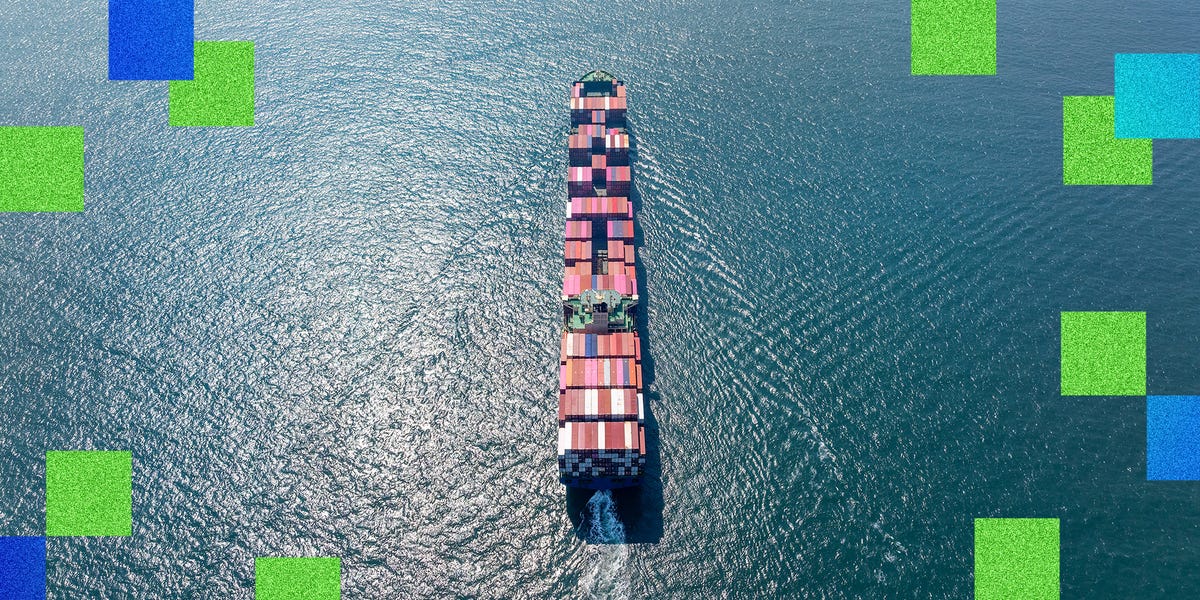
The global trade landscape has been reshaped by significant tariff policies, creating persistent uncertainty across international supply chains throughout 2025 and into the current year. While the US has secured agreements with major trading partners like the European Union, South Korea, and Japan, settling on a 15% tariff rate, other nations such as India and Brazil still face substantial 50% tariffs. These elevated costs reverberate through virtually every sector, forcing companies to innovate their operational strategies. For investors in the energy sector, understanding how businesses are adapting to these pressures is paramount. A key trend emerging is the strategic deployment of AI-assisted technologies, which are proving instrumental in mitigating tariff impacts by driving down manufacturing and logistics expenses, thereby enhancing resilience and profitability.
Navigating the Tariff Maze: An Enduring Challenge for Energy Supply Chains
The widespread implementation of tariffs, now affecting imports from over 90 countries, has fundamentally altered the cost structure for US-based businesses. While initial disruptions from 2025 have somewhat subsided with new trade deals, the underlying cost burden remains a critical factor for companies sourcing materials, components, and services globally. For the oil and gas industry, this translates into higher expenses for everything from specialized drilling equipment and refinery components to chemicals and logistical support. The persistent 15% tariffs on goods from key manufacturing hubs, and the more punitive 50% rates on others, demand a proactive approach to procurement and supply chain management. Firms that can effectively absorb or circumvent these added costs will inevitably gain a competitive edge, a crucial consideration for investors evaluating long-term value.
AI as a Strategic Imperative for Cost Optimization in a Volatile Market
In this challenging environment, AI is not merely a tool for incremental improvement; it is becoming a strategic imperative for cost optimization. Drawing parallels from other industries, we observe how AI-driven procurement platforms are revolutionizing the competitive bidding process and securing better pricing terms with suppliers. For instance, the principles behind tools that help companies like Solventum achieve double-digit savings on goods by streamlining supplier evaluation and identifying optimal contractors are directly transferable to the energy sector. Imagine an upstream company leveraging AI to negotiate better prices for casing, tubing, or specialized valves, or a midstream operator optimizing bids for pipeline components and maintenance services. These technologies blend machine learning, game theory, and behavioral analytics to assess supplier reliability, pricing patterns, and even the shift from international to domestic production, offering a sophisticated edge in cost reduction.
The urgency for such efficiencies is underscored by current market dynamics. As of today, Brent crude trades at $98.17, reflecting a 1.23% dip within a daily range of $97.92 to $98.67. WTI crude similarly saw a 1.55% decrease, settling at $89.76. This daily movement comes amidst a broader 14-day trend where Brent has fallen from $112.57 on March 27th to $98.57 yesterday, representing a significant 12.4% decline. Gasoline prices also reflect this volatility, currently at $3.08. In a market characterized by such price swings, every dollar saved in procurement and logistics directly impacts the bottom line, making AI-driven cost mitigation a non-negotiable strategy for maintaining profitability and investor confidence.
Forward-Looking Opportunities: AI in Anticipation of Key Energy Events
The strategic deployment of AI extends beyond immediate cost savings; it positions energy companies to better navigate future market shifts and capitalize on upcoming events. Our readers are keenly interested in the specifics of OPEC+ production quotas and the models powering our market data, underscoring a clear demand for predictive insights – precisely where AI excels. With significant events on the horizon, such as the OPEC+ JMMC and Full Ministerial Meetings on April 17th and 18th, AI can provide invaluable foresight. By analyzing historical data, geopolitical factors, and real-time market signals, AI can help procurement teams anticipate potential supply adjustments and their impact on material costs, allowing for proactive sourcing and inventory management. This capability helps firms make informed decisions before, not after, market announcements.
Similarly, upcoming releases like the API Weekly Crude Inventory (April 21st, 28th) and the EIA Weekly Petroleum Status Report (April 22nd, 29th) offer critical data points. AI can integrate these inventory signals with other market intelligence to refine demand forecasts and optimize logistics, ensuring that operational inputs are acquired at the most favorable times. For instance, an AI platform could recommend adjusting purchase orders for drilling fluids or specialized steel based on predicted shifts in drilling activity indicated by the Baker Hughes Rig Count reports on April 24th and May 1st. These forward-looking applications of AI enhance agility, mitigate risk, and offer a significant competitive advantage in a sector constantly influenced by external catalysts.
Investment Implications: The Resilient AI-Powered Energy Enterprise
For investors, the takeaway is clear: companies within the oil and gas sector that are aggressively adopting AI for supply chain optimization and tariff mitigation are building a more resilient and profitable enterprise. The ability to lock in lower vendor prices, streamline complex competitive bidding processes, and dynamically adapt to changing material costs and tariff rates directly translates into stronger financial performance, even amidst global trade uncertainties and commodity price volatility. Our proprietary reader intent data reveals a strong interest in the data sources and APIs powering our market insights, reflecting a sophisticated investor base that understands the value of robust, data-driven decision-making. AI-powered procurement and logistics platforms are exactly this kind of data-driven engine, offering a competitive edge that traditional methods simply cannot match.
The transformative impact of AI on cost structures and supply chain efficiency positions these energy firms for superior performance. Whether it’s an upstream explorer optimizing the acquisition of drilling consumables, a midstream giant fine-tuning pipeline material procurement, or a services company enhancing its equipment sourcing, AI is becoming the backbone of operational excellence. Investors should scrutinize management’s commitment to digital transformation, particularly in areas susceptible to tariff impacts and market fluctuations. The future leaders in the energy sector will undoubtedly be those who leverage AI not just for incremental gains, but as a fundamental pillar of their strategic response to global economic pressures, securing sustained profitability and long-term value creation.


