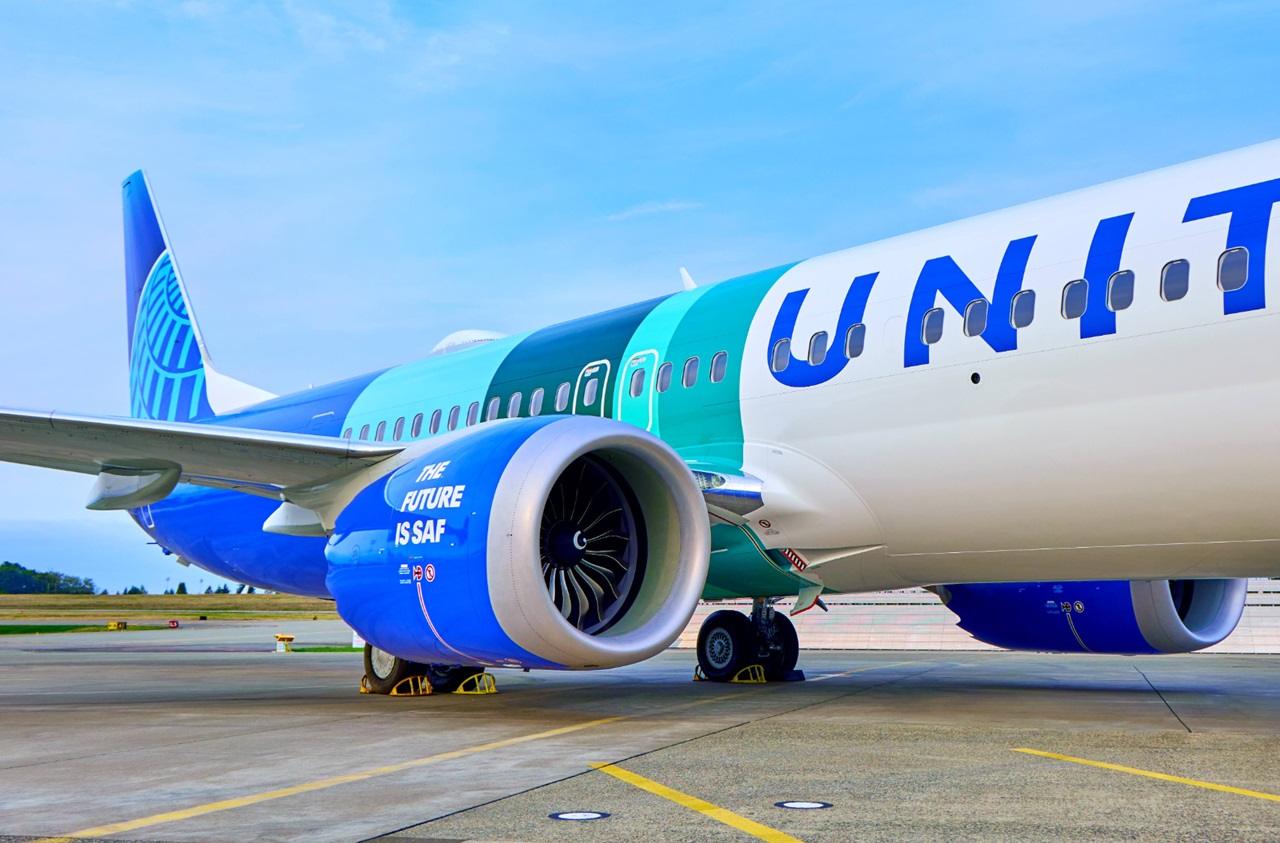
The recent expansion of the sustainable aviation fuel (SAF) partnership between United Airlines and Neste signals a critical juncture in the energy transition, particularly for the aviation sector. While often overshadowed by the broader electrification of ground transport, the decarbonization of air travel presents unique challenges and opportunities for investors. This latest agreement, which sees SAF supplied to major U.S. hubs including Houston (IAH), Newark (EWR), and Dulles (IAD), underscores a growing commitment from airlines to meet ambitious climate targets without relying on carbon offsets. For oil and gas investors, this development is not just a footnote in environmental reports; it represents an evolving competitive landscape, potential new revenue streams, and long-term shifts in demand for traditional jet fuel. Understanding the drivers, market dynamics, and policy tailwinds behind SAF growth is essential for navigating the complexities of the modern energy market.
Expanding SAF Footprint and Strategic Partnerships
United Airlines’ proactive stance on sustainable aviation fuel is evident in its goal to fully reduce greenhouse gas emissions by 2050, a strategy that heavily leans on SAF deployment. The airline’s partnership with Neste, a leading renewable fuels producer, is expanding significantly, demonstrating a tangible commitment beyond initial pilot programs. Neste MY Sustainable Aviation Fuel, derived from sustainably sourced renewable waste and residues like used cooking oil and animal fat waste, is compatible with existing infrastructure and aircraft engines, offering up to an 80% reduction in lifecycle greenhouse gas emissions compared to conventional jet fuel. United’s adoption of SAF at IAH, EWR, and IAD marks a significant milestone, making it the first commercial airline to purchase SAF for use at these hubs. This builds on prior collaborations, including an overseas agreement for Amsterdam’s Schiphol Airport in 2022 and ongoing supply to Chicago O’Hare International Airport since August 2024. Deliveries to IAH commenced in July and will continue through October, while EWR and IAD began receiving SAF in September, with deliveries scheduled until the end of 2025. Last year alone, United utilized over 4,300 metric tons, equivalent to 13 million gallons, of SAF, positioning it as the leading SAF user in the U.S. These short-term agreements, while substantial, highlight the nascent stage of the market and the need for continued commitment and scaling. For investors, this signals a clear, albeit gradual, shift in demand away from traditional jet fuel, creating opportunities in companies focused on feedstock sourcing, processing, and distribution of alternative fuels.
Policy Imperatives and Investor Questions on Market Future
The growth trajectory of sustainable aviation fuel is inextricably linked to supportive policy frameworks, a point emphasized by both United’s Chief Sustainability Officer, Lauren Riley, and Neste’s Senior Vice President, Carl Nyberg. Both executives have called for state and federal governments to implement sensible market incentives to accelerate SAF production and help the aviation industry achieve its bold net-zero targets. This advocacy directly addresses a core concern among investors, especially those grappling with the future direction of energy markets. Our proprietary reader intent data reveals a significant interest in forward-looking market dynamics, with questions like “what do you predict the price of oil per barrel will be by end of 2026?” frequently surfacing. This reflects a broader investor uncertainty about long-term energy pricing, where the scaling of alternatives like SAF could eventually exert downward pressure on traditional fuel demand. The interplay between regulatory support, technological advancements, and economic viability will dictate the pace of SAF adoption. Without robust incentive policies, the higher production costs of SAF compared to conventional jet fuel could hinder widespread adoption, delaying the decarbonization goals and limiting investment opportunities in this nascent sector. Investors should closely monitor legislative developments, as policy clarity and financial incentives will be crucial catalysts for unlocking significant capital deployment into SAF production capacity and infrastructure.
Current Market Volatility and Upcoming Catalysts
The broader energy market, particularly crude oil, continues to exhibit significant volatility, creating a complex backdrop for investments in both traditional and renewable energy. As of today, Brent crude trades at $90.38, reflecting a notable 9.07% decline within the day, with its range fluctuating between $86.08 and $98.97. Similarly, WTI crude stands at $82.59, down 9.41% for the day, having traded between $78.97 and $90.34. This sharp downturn is particularly striking when viewed against the 14-day Brent trend, which has seen prices plummet by nearly 20%, from $112.78 on March 30th to the current $90.38. Gasoline prices have also dipped, trading at $2.93, a 5.18% decrease. Such dramatic price movements in the traditional energy sector have direct implications for the economic competitiveness of SAF, which typically carries a premium. Lower crude prices can make SAF’s higher cost even more pronounced, amplifying the need for government incentives to bridge the economic gap. Looking ahead, investors are keenly focused on a series of upcoming events that could introduce further market shifts. The OPEC+ JMMC Meeting on April 19th, followed by the Ministerial Meeting on April 20th, will be critical in determining future production quotas, directly impacting global crude supply and, consequently, prices. Further insights into demand and inventory levels will come from the API Weekly Crude Inventory reports on April 21st and 28th, and the EIA Weekly Petroleum Status Reports on April 22nd and 29th. Additionally, the Baker Hughes Rig Count on April 24th and May 1st will offer a snapshot of drilling activity and future supply capacity. These traditional market signals will continue to shape the investment landscape, influencing the relative attractiveness and funding dynamics of the rapidly growing, but still premium-priced, SAF market.
Investment Outlook and Scaling Challenges for SAF
The United-Neste partnership, while a clear indicator of momentum in the SAF sector, also highlights the significant investment challenges that lie ahead. Scaling SAF production to meet the aviation industry’s ambitious decarbonization goals requires massive capital expenditure in new biorefineries, feedstock development, and supply chain infrastructure. Neste’s ability to supply SAF to key U.S. airports via existing pipeline infrastructure from its Houston terminal facilities demonstrates a strategic advantage in leveraging conventional logistics, but this is merely one piece of the puzzle. The current global SAF production capacity remains a tiny fraction of total jet fuel demand, meaning substantial, sustained investment is needed to move from niche application to mainstream adoption. Investors looking at this space must evaluate not just the technological readiness of various SAF pathways (e.g., alcohol-to-jet, power-to-liquid) but also the availability and sustainability of feedstocks. Competition for waste oils and agricultural residues is intensifying, which could drive up input costs and impact profitability. Furthermore, the long-term viability of SAF investments hinges on the stability and clarity of policy support, including tax credits, mandates, and carbon pricing mechanisms that level the playing field against conventional fuels. Companies that can secure diverse, sustainable feedstock supplies, develop cost-effective conversion technologies, and navigate complex regulatory environments are best positioned to capitalize on this rapidly expanding market. For traditional oil and gas majors, strategic investments and partnerships in SAF represent a crucial diversification strategy and a pathway to remain relevant in a decarbonizing world, addressing investor concerns about long-term asset value and energy transition risks.


