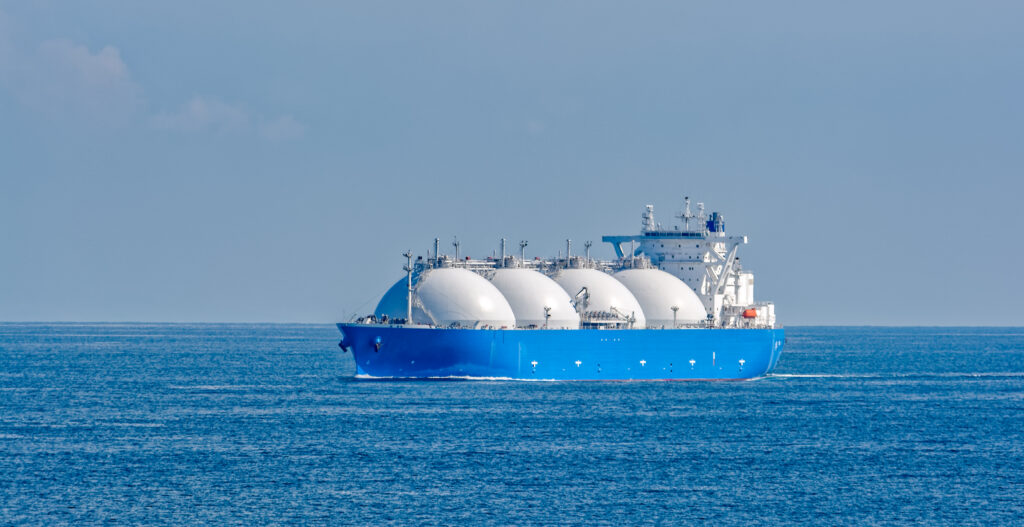
Germany’s ambitious push to diversify its energy supply, particularly its reliance on liquefied natural gas (LNG), marks a significant strategic pivot with profound implications for global energy markets and investor portfolios. Berlin’s intensified discussions with Canada, spearheaded by state-owned energy giant Uniper, aim to forge a broad economic partnership that extends beyond immediate energy needs, encompassing areas like rare earths and batteries. This move is not merely about finding new gas suppliers; it’s a calculated effort to reduce an perceived over-dependence on the United States for energy, a vulnerability exposed by recent geopolitical events and the lingering shadows of Europe’s post-Russia energy crisis. For astute investors, this evolving dynamic presents both opportunities and risks, reshaping the landscape for LNG infrastructure, commodity prices, and the strategic positioning of key energy players.
Germany’s Strategic Energy Redirection: Beyond US LNG Dominance
The motivation behind Germany’s pivot to Canada is multifaceted and deeply rooted in its quest for robust energy security. Last year, a staggering 96% of Germany’s LNG imports originated from the United States, a concentration that policymakers now view as a strategic vulnerability, especially given global geopolitical uncertainties. This mirrors the painful lessons learned from the abrupt cessation of Russian gas supplies, which plunged Europe’s largest economy into an energy crisis. The ongoing U.S.-Israel conflict and its impact on Middle East oil and gas fields, including recent shutdowns, further underscore the imperative for diversified sourcing. Uniper’s explicit focus on Canada, citing its stable regulatory environment, abundant gas resources, and promising LNG prospects, signals a long-term commitment. This strategic realignment is not just a reactive measure; it’s a proactive step to build resilience into Germany’s energy matrix, creating a more balanced and secure import portfolio that active investors should monitor closely for shifts in global trade flows and infrastructure development.
Canada’s LNG Potential: Infrastructure Hurdles and Investment Opportunities
While Canada possesses vast natural gas reserves, its current LNG export infrastructure is heavily concentrated on the West Coast. This geographical skew presents a significant challenge for supplying European markets, which are primarily accessible via Atlantic shipping routes. The lack of regasification capacity and export terminals on Canada’s East Coast is a clear hurdle in the ongoing discussions with Germany. Addressing this will likely necessitate substantial investment in new infrastructure projects, potentially including the construction of entirely new terminals. However, this challenge simultaneously creates a compelling investment opportunity. The mention of a Canadian submarine tender, with an expectation for “offset agreements” generating added value in the client’s country, suggests a political and economic incentive to fast-track such projects. Companies with existing East Coast infrastructure, such as Repsol’s Saint John terminal, could see enhanced strategic importance. As investors frequently inquire about the performance of such entities, our analysis suggests that Repsol’s positioning in Canada’s East Coast could become a significant differentiator, with potential for increased throughput or expansion opportunities should these bilateral talks mature into concrete development plans. The push for diversification by Canada itself, seeking alternative offtakers beyond the United States, aligns perfectly with Germany’s objectives, setting the stage for accelerated infrastructure development that could benefit early-mover investors.
Geopolitics, Energy Security, and the Broader Market Landscape
The German-Canadian LNG talks unfold against a backdrop of persistent global energy market volatility, exacerbated by geopolitical tensions. The Middle East, a perennial flashpoint, continues to influence supply concerns, as evidenced by recent field shutdowns impacting global flows. While these specific discussions focus on natural gas, the broader sentiment of supply insecurity invariably impacts crude oil markets. As of today, Brent crude trades at $93.04 per barrel, reflecting a marginal daily decline of 0.21% within a range of $92.57 to $94.21. WTI crude similarly stands at $89.43, down 0.27%, trading between $88.76 and $90.71. These daily movements, however, belie a more significant trend; Brent, for instance, has seen a decrease of over 7% in the past two weeks, falling from $101.16 on April 1st to $94.09 on April 21st. This downward pressure, despite ongoing geopolitical risks, highlights the complex interplay of demand signals, strategic reserve releases, and the market’s perception of future supply stability. Germany’s move to secure new, geopolitically stable energy sources like Canadian LNG is a direct response to these volatile conditions, aiming to insulate its economy from future price shocks and supply disruptions. The long-term implications of such strategic shifts could introduce a new layer of stability to global energy markets, or at least diversify the risk exposure, ultimately influencing the trajectory of both crude and natural gas prices.
Investor Outlook: Navigating LNG Infrastructure and Supply Chain Bets
For investors focused on the energy sector, Germany’s strategic pivot to Canadian LNG opens up a critical area for analysis and potential investment. Our reader intent data indicates a keen interest in the future direction of oil prices and the performance of key players like Repsol, alongside broader questions about market drivers. While predicting the precise price of oil by the end of 2026 is challenging given the myriad of influencing factors, the current push for energy security and diversification suggests a floor for prices, as demand for reliable supply remains robust. The development of East Coast Canadian LNG export capacity represents a significant long-term investment theme. This includes not only the terminals themselves but also the upstream gas production, pipeline infrastructure, and associated shipping logistics. Companies involved in engineering, procurement, and construction (EPC) for large-scale energy projects stand to benefit. Furthermore, the emphasis on a “stable regulatory environment” in Canada could attract significant foreign direct investment, bolstering the Canadian energy sector as a whole. Investors should closely monitor upcoming energy data releases, such as the weekly EIA Petroleum Status Reports and Baker Hughes Rig Counts (due April 29th and May 1st respectively), and the EIA Short-Term Energy Outlook on May 2nd, for signals on broader supply-demand balances and the pace of new project approvals. These data points will provide crucial context for assessing the viability and timeline of new Canadian LNG export capacity. The strategic confluence of Germany’s demand and Canada’s supply potential, underscored by political and economic incentives, positions this as a compelling area for long-term growth and diversification within energy portfolios.