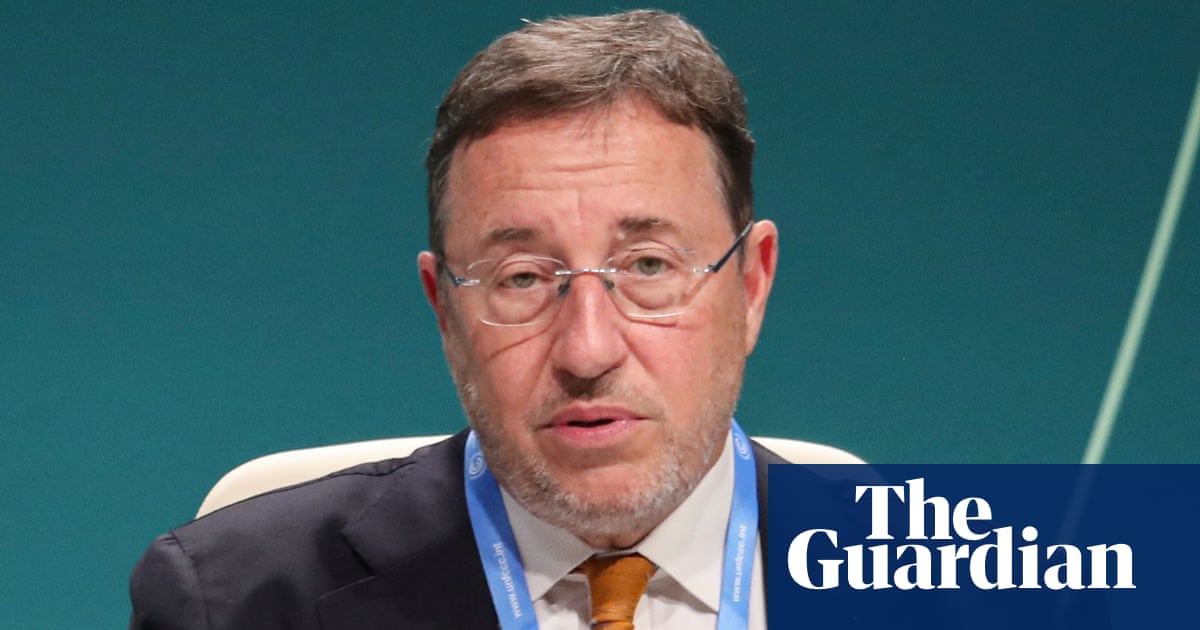
The traditional lens through which nations view defense spending is rapidly becoming obsolete. For investors in the oil and gas sector, understanding this paradigm shift is crucial for navigating future market volatility and identifying long-term value. While governments globally are earmarking larger sums for military budgets, a growing chorus of experts, including those at the highest levels of international development, argue that neglecting climate finance in vulnerable nations renders these defense investments largely futile. This isn’t merely a humanitarian plea; it’s a strategic warning that impacts global stability, energy supply chains, and ultimately, investor returns. The core message is clear: true national security, and by extension, a stable investment environment, demands a re-evaluation of what constitutes a “defense” expenditure, broadening it to include proactive climate resilience and international cooperation.
The Evolving Landscape of National Security Threats
For decades, national security was largely defined by territorial integrity and military might. However, the threats of the 21st century are far more insidious and interconnected. Cyberterrorism, global pandemics, and, most profoundly, the cascading effects of runaway climate change now represent equally, if not greater, risks. The shortsightedness of sharply increasing defense budgets while simultaneously cutting international aid is stark. When nations restrict their ability to cooperate with developing countries on issues like climate adaptation, they inadvertently erode their own resilience and control. This “loss of control” can quickly manifest as regional instability, mass migration, and supply chain disruptions – all factors that directly impact the global energy market and investor confidence. Our proprietary reader intent data consistently shows investors are seeking clarity on market stability and geopolitical influences, indicating an underlying concern that traditional security measures may not be addressing the full spectrum of modern risks.
Market Dynamics Amidst Shifting Security Priorities
The interplay between geopolitical stability and energy market performance is undeniable. As of today, Brent crude trades at $98.03, down 1.37% within a day range of $97.92-$98.58, while WTI crude sits at $89.76, down 1.55%. This recent volatility, extending a 14-day trend that saw Brent fall from $112.57 on March 27th to $98.57 yesterday, underscores the fragility of global stability. While many factors contribute to these price swings, the underlying perception of geopolitical risk is a significant driver. When nations prioritize conventional defense spending over proactive climate and development aid, they are, in essence, addressing symptoms rather than root causes of future instability. Climate-induced crises in vulnerable regions can disrupt critical energy infrastructure, trigger humanitarian emergencies that divert resources, and exacerbate existing conflicts, all of which directly impact crude prices and the broader energy investment landscape. The current downward trend in crude prices, against a backdrop of ongoing geopolitical tensions, highlights investor sensitivity to any perceived weakening of global resilience.
Climate Finance: A Strategic Investment for Long-Term ROI
Viewing climate finance for developing countries not as aid, but as an integral component of a comprehensive national security strategy, offers a compelling investment thesis. By helping vulnerable nations build resilience to climate change – through investments in sustainable infrastructure, early warning systems, and agricultural adaptation – advanced economies are effectively pre-empting future crises that would otherwise demand far costlier military or humanitarian interventions. This “development and resilience track” directly supports a more stable global environment, which is paramount for predictable energy supply and demand. For oil and gas investors, a world with fewer climate-induced conflicts, more stable supply routes, and less volatile commodity prices represents a significantly more attractive investment landscape. Governments pushing for higher defense spending, like the UK’s pledge to meet 2.5% of GDP by 2035 partly by cutting international aid, risk undermining the very stability they seek to protect. A more holistic approach, where a portion of these broader security budgets is strategically allocated to climate resilience, could yield a far superior long-term return on investment by mitigating systemic risks.
Forward-Looking Opportunities and Investor Focus
The convergence of climate challenges and national security creates both risks and opportunities for energy investors. Our proprietary reader intent data reveals a strong interest in “OPEC+ current production quotas” and the models powering our “current Brent crude price” responses. This focus on supply-side stability is directly tied to the broader geopolitical environment. With the critical OPEC+ JMMC meeting scheduled for April 18th, followed by the Full Ministerial on April 20th, market participants will be keenly observing for signals on production policy. These decisions, while focused on market balancing, are increasingly influenced by geopolitical stability, which itself is impacted by climate-related vulnerabilities. Investors should consider how a proactive stance on climate finance by major powers could foster greater international cooperation, leading to more predictable energy policies and reduced supply disruptions. Looking ahead, the Baker Hughes Rig Count on April 17th and 24th, alongside the EIA Weekly Petroleum Status Reports on April 22nd and 29th, will offer snapshots of supply-side activity. However, the longer-term stability and growth for energy companies will increasingly depend on a global environment that recognizes and invests in climate resilience as a core tenet of defense, ultimately mitigating the systemic risks that erode shareholder value.


