The global energy landscape is undergoing profound shifts, driven not just by conventional supply-demand dynamics but by an increasingly urgent confluence of environmental and humanitarian crises. A recent comprehensive study highlights an alarming trend: over the past decade, climate-related disasters have forcibly displaced an astonishing 250 million people worldwide, equating to 70,000 individuals every single day. This isn’t merely a humanitarian concern; it’s a powerful and accelerating catalyst for the energy transition, demanding a re-evaluation of investment strategies across the oil and gas sector. For investors, understanding how this displacement acts as a “risk multiplier”—exacerbating existing inequalities and geopolitical fragilities—is crucial for navigating the evolving market and identifying resilient opportunities.
Climate Displacement: A Macro Risk for Energy Infrastructure and Geopolitics
The scale of climate-induced displacement, driven by floods, storms, droughts, and extreme heat, alongside slow-onset disasters like desertification and rising sea levels, poses significant macro risks to global energy infrastructure and geopolitical stability. These events are not isolated; they often intersect with existing conflicts and political instability, creating complex humanitarian crises. For instance, in mid-2025, 117 million people were already displaced by war, violence, and persecution, a crisis now intensified by climate emergencies. This convergence of factors directly impacts the security of energy supply routes, the viability of existing and planned energy projects, and the overall investment climate in vulnerable regions. The displacement of populations, particularly in politically fragile states which host a disproportionate number of refugees, leads to increased demand for emergency energy solutions while simultaneously disrupting traditional supply chains and creating new areas of instability that deter long-term capital deployment in conventional energy sources.
Market Volatility Amidst Long-Term Transition Pressures
While the long-term imperative for energy transition gains momentum from these climate realities, investors are simultaneously grappling with significant short-term market volatility. As of today, Brent Crude trades at $90.38 per barrel, marking a sharp 9.07% decline within the day, with a range between $86.08 and $98.97. Similarly, WTI Crude stands at $82.59, down 9.41%. This immediate downward pressure follows a broader trend; Brent has seen a significant 19.9% drop over the last 14 days, plummeting from $112.78 on March 30th to its current level. Such dramatic swings underscore the complex interplay of geopolitical tensions, demand concerns, and speculative trading that defines the current oil market. However, investors asking about the price of oil per barrel by the end of 2026 must look beyond these immediate fluctuations. The accelerating climate crisis, highlighted by mass displacement, builds structural pressure for a sustained shift away from fossil fuels, even as immediate supply-demand imbalances dictate daily price movements. This duality creates a challenging environment for long-term forecasting, necessitating an acute awareness of both short-term market signals and the powerful, albeit slower-moving, forces of energy transition.
Geopolitical Flashpoints and Energy Security Vulnerability
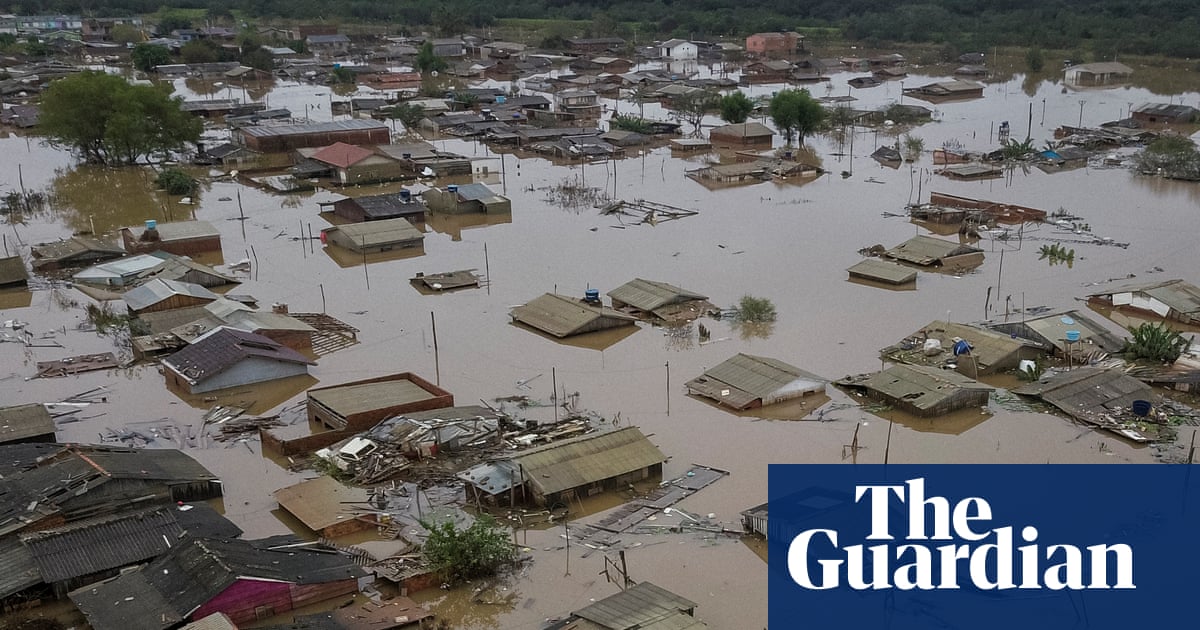
The convergence of climate impacts and conflict in politically fragile states presents a critical challenge for energy security and investment. Almost half of the world’s displaced people are now facing both conflict and climate impacts in such vulnerable nations. Consider Chad, a country hosting over 1.4 million refugees and asylum seekers, where floods in a single year alone forced more than 1.3 million people to flee their homes – a figure exceeding the previous 15 years combined. These regions are often targeted for oil and gas exploration or transit, making existing infrastructure highly vulnerable to disruption. Catastrophic events, such as the 2024 flooding in Brazil’s Rio Grande do Sul, which displaced 580,000 people and caused billions in damages, or Cyclone Mocha’s devastation in Myanmar, illustrate how extreme weather directly impacts human capital and economic stability, indirectly affecting energy demand and supply resilience. For investors evaluating global energy portfolios, particularly those with exposure to frontier markets or politically sensitive regions, the “risk multiplier” effect of climate displacement demands a rigorous assessment of operational continuity and geopolitical stability. Companies like Repsol, with diversified global assets, must contend with these localized but interconnected threats to ensure long-term value.
Accelerating the Transition: Investment Opportunities and Policy Drivers
The escalating crisis of climate displacement serves as a potent accelerator for the global energy transition, pushing governments, international bodies, and private capital towards more resilient, sustainable, and decentralized energy solutions. The fact that fragile and conflict-affected countries receive only a quarter of the climate finance they need highlights a significant gap, but also a burgeoning opportunity for impact-oriented investors and developers in renewable energy and adaptation technologies. As our readers frequently inquire about OPEC+’s production quotas, it’s vital to recognize that while these immediate decisions influence short-term supply, the long-term viability of OPEC+ nations is tied to their ability to adapt to a world increasingly prioritizing climate resilience. The upcoming OPEC+ Joint Ministerial Monitoring Committee (JMMC) Meeting on April 19th and the subsequent Ministerial Meeting on April 20th will set the tone for near-term supply. However, the underlying pressure from accelerating climate displacement underscores the strategic necessity for national oil companies and international majors to diversify their energy portfolios, invest in lower-carbon alternatives, and develop robust ESG frameworks. Upcoming data points like the API Weekly Crude Inventory (April 21st, 28th) and EIA Weekly Petroleum Status Report (April 22nd, 29th) provide snapshots of inventory and demand, while the Baker Hughes Rig Count (April 24th, May 1st) indicates future production capacity. These short-term indicators, however, must be viewed through the lens of a rapidly evolving energy landscape where climate change and human displacement are increasingly dictating long-term investment themes and policy direction.


