Marine Heatwaves: A New Layer of Risk for UK and Irish Offshore O&G Investments
The UK and Irish offshore oil and gas sector, a cornerstone of European energy security, is facing an increasingly complex risk landscape. Beyond traditional geological and market volatilities, a new and intensifying threat has emerged from climate change: marine heatwaves. Recent scientific research, examining the unprecedented events of 2023, reveals that these prolonged periods of elevated sea temperatures are no longer future projections but present-day realities with significant implications for operational continuity, regulatory compliance, and ultimately, investor returns. For those allocating capital to this vital region, understanding and actively addressing these evolving environmental dynamics is paramount.
Operational Resilience Under Stress: The Direct Impact of Warming Seas
The severe marine heatwave observed off the UK and Irish coasts in 2023, characterized by sea temperatures in the North Sea and Celtic Sea reaching 2.9°C above the June average for 16 consecutive days, serves as a stark warning. A collaborative study by the University of Exeter, the Met Office, and Cefas highlighted that the annual probability of such an event has surged dramatically. In the Celtic Sea, the chance of a similar heatwave has risen from 3.8% in 1993 to 13.8% today, while in the central North Sea, it has escalated from 0.7% to 9.8% over the same period. Dr. Jamie Atkins, who led the study, emphatically states: “Our findings show that marine heatwaves are a problem now – not just a risk from future climate change.”
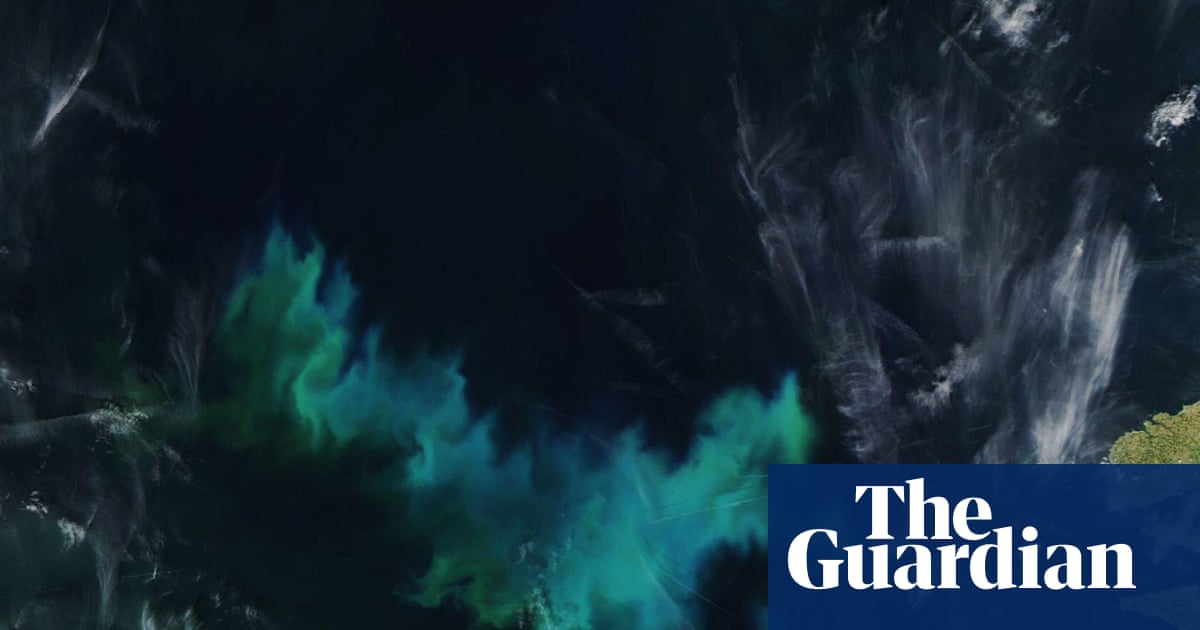
For offshore operators, these findings translate into tangible operational risks. Elevated sea temperatures can stress subsea infrastructure, potentially impacting cooling systems for platforms, pipelines, and processing equipment. The integrity of marine ecosystems, vital for overall environmental stability around offshore installations, is also at risk. Scientists have already noted significant disruption to phytoplankton blooms and increased concentrations of bacteria harmful to marine life and potentially humans. Such ecological shifts can lead to more stringent environmental monitoring requirements, increased maintenance costs, and even temporary operational curtailments if environmental damage becomes severe. Investors must assess how companies are building resilience into their asset bases and operational protocols to mitigate these direct physical and biological impacts.
Market Volatility Meets Climate Risk: A Challenging Investment Calculus
The emergence of these localized climate risks occurs against a backdrop of significant market volatility. As of today, Brent Crude trades at $90.38, reflecting a substantial 9.07% decline within the day, with its range spanning $86.08 to $98.97. WTI Crude shows a similar trend, currently at $82.59, down 9.41%. This immediate market movement follows a broader downward trend for Brent, which has fallen by $22.4, or 19.9%, from $112.78 on March 30th to its current level. This fluctuation in global commodity prices, combined with new environmental pressures, complicates the financial modeling for future offshore projects in the UK and Ireland. Our readers are keenly watching these dynamics, with many asking, “What do you predict the price of oil per barrel will be by end of 2026?” These marine heatwave risks add a layer of regional supply uncertainty that could influence long-term price stability and the profitability of regional assets.
Furthermore, investor sentiment, as evidenced by questions like “What are OPEC+ current production quotas?”, indicates a strong focus on global supply-side management. While OPEC+ decisions directly impact global benchmarks, local operational disruptions caused by climate events in key producing regions like the North Sea can create micro-market impacts, potentially affecting specific regional differentials and the competitive landscape for companies operating there. Investors need to evaluate how companies in the UK and Irish sectors are factoring these multi-layered risks into their capital allocation and hedging strategies.
Regulatory Scrutiny and the Path Ahead for UK/Irish O&G
The scientific consensus, as articulated by Prof. Adam Scaife, a co-author of the study, that “steady climate warming is leading to an exponential increase in the occurrence of extreme events,” will inevitably translate into heightened regulatory scrutiny for the UK and Irish offshore sectors. Governments, already committed to ambitious climate targets, will face increased pressure to ensure that offshore activities do not exacerbate or are not unduly impacted by these environmental changes. This could manifest as more rigorous environmental impact assessments for new exploration and production licenses, stricter conditions for discharges, enhanced monitoring requirements, and potentially higher levies or fines for environmental infractions.
For investors, this means a growing emphasis on Environmental, Social, and Governance (ESG) performance. Companies with robust climate resilience plans, transparent environmental reporting, and proactive strategies for mitigating marine impacts will likely gain a competitive advantage. The ability to demonstrate minimal ecological footprint and adaptability to changing marine conditions will be crucial for securing future permits and maintaining a social license to operate. This also intersects with investor interest in the broader energy transition; as Prof. Ana M Queirós notes, “Long marine heatwave periods push w” (likely implying ‘push for change’), reinforcing the long-term imperative for sustainable practices.
Strategic Imperatives and Upcoming Catalysts for Informed Investment
Given the escalating marine heatwave risks, strategic adaptation is no longer optional for UK and Irish offshore operators. This includes investing in infrastructure that can withstand higher temperatures, deploying advanced environmental monitoring technologies, and fostering collaborative research to understand and mitigate ecological impacts. For investors, identifying companies that are proactively engaging in these areas will be key to long-term value creation.
Looking ahead, several upcoming events will shape the broader energy market context in which these regional climate risks will play out. The **OPEC+ Ministerial Meeting on April 19th, 2026**, could set global production quotas, directly influencing crude prices and the economic viability of projects across all regions, including the UK and Ireland. Investors will also be closely monitoring the **API Weekly Crude Inventory on April 21st and 28th**, and the **EIA Weekly Petroleum Status Reports on April 22nd and 29th**, for insights into demand trends and inventory levels. These reports offer critical data points for assessing market sentiment and potential price movements, which will inevitably affect the investment attractiveness of projects in regions facing increased operational risks. Furthermore, the **Baker Hughes Rig Count on April 24th and May 1st** will provide a gauge of drilling activity, offering an early indicator of industry confidence and capital deployment, particularly relevant for understanding how exploration and development might proceed in the increasingly complex UK/Irish offshore environment. Companies that can articulate a clear strategy for navigating both market volatility and escalating climate risks will be best positioned to attract and retain capital in the coming years.


