UK Drought Deepens: A Subtle Signal for Global Oil Demand and Investment Strategy
The United Kingdom is grappling with an escalating drought, a stark environmental event that, while localized, serves as a potent reminder of climate change’s accelerating impacts and its potential to ripple through global economies. With as many as five areas of England projected to enter drought status following the hottest June since 1884, the consequences are already manifesting in widespread hosepipe bans, agricultural distress, and broader economic headwinds. For energy investors, this isn’t just a weather story; it’s a critical data point in the complex calculus of future oil demand, policy shifts, and the long-term investment landscape. While the direct impact on global crude consumption might appear negligible, the indirect economic pressures and reinforcement of climate narratives warrant close attention as we monitor the evolving energy market.
Economic Headwinds and Agricultural Strain: A Dampening Effect on Demand Sentiment
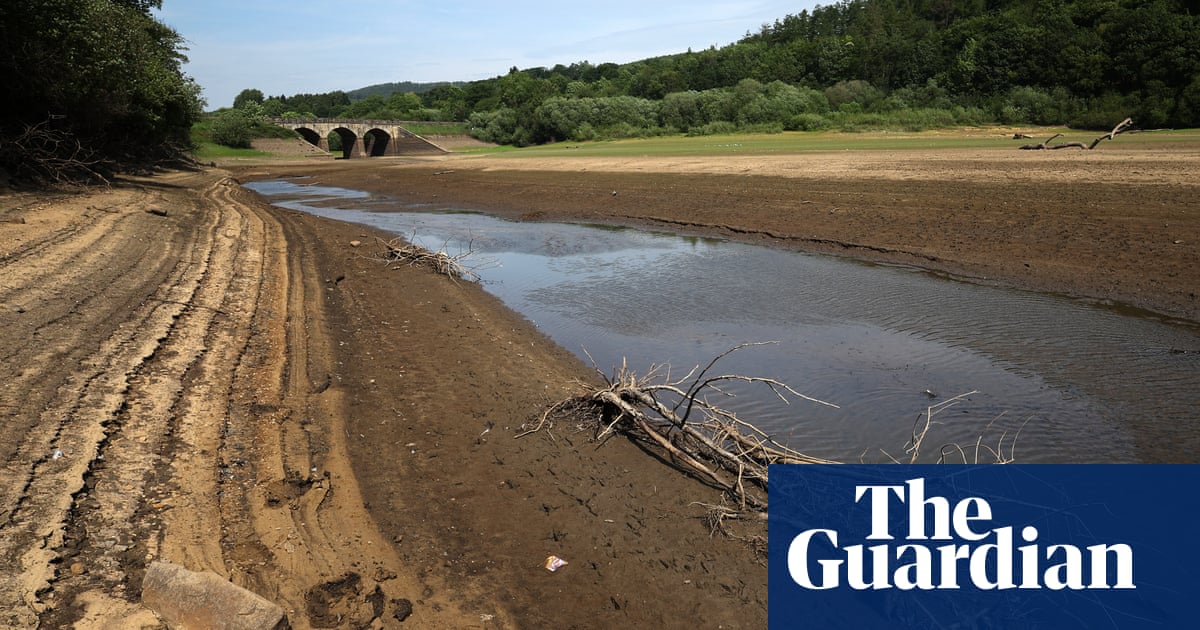
The severity of the UK’s drought is undeniable, driven by three heatwaves and persistent lack of rainfall. Officials confirm more regions are moving towards drought status, with Yorkshire and the North West already there, and Thames Water, Yorkshire Water, and South East Water implementing extensive hosepipe bans. Beyond residential inconvenience, the agricultural sector is bearing a significant brunt. Farmers face restrictions on water abstraction for irrigation, compelling them to utilize winter feed prematurely for livestock and threatening harvests of root vegetables such as carrots, potatoes, and onions. This agricultural disruption is not merely a local issue; it directly impacts food supply chains, leading to potential price increases and reduced availability. Such inflationary pressures on essential goods erode consumer purchasing power, a key driver of discretionary spending across the economy. Our internal analysis suggests that these micro-economic strains, when aggregated across various regions experiencing similar climate-induced challenges, contribute to a broader atmosphere of economic uncertainty. Investors are keenly assessing such macroeconomic signals as they build base-case Brent price forecasts for the next quarter, highlighting the interconnectedness of seemingly disparate global events.
Current Market Dynamics and the Climate Conundrum
Against the backdrop of the deepening UK drought, the broader oil market has shown recent volatility. As of today, Brent Crude trades at $94.93. This marks a notable shift from its position just two weeks ago, having seen an almost 9% decline from $102.22 on March 25th to $93.22 on April 14th. This recent bearish trend reflects a confluence of factors, including global economic concerns and supply-demand rebalances. While the UK drought alone is not the primary driver of this Brent movement, it adds another layer to the complex narrative surrounding energy demand. The event underscores the Met Office’s findings of increasingly frequent extreme weather events due to climate breakdown. For many investors, particularly those asking about the consensus 2026 Brent forecast, these environmental crises are no longer peripheral; they influence long-term policy, accelerate ESG mandates, and shape the perceived risk profile of fossil fuel investments. The drought, therefore, acts as a reinforcing signal for the accelerating energy transition, even if its immediate impact on physical oil demand is indirect through broader economic dampening.
Upcoming Market Catalysts and Forward-Looking Demand Signals
The coming weeks present several critical junctures for assessing the trajectory of global oil demand and supply, which will interact with the macroeconomic signals emanating from regions like the drought-stricken UK. The OPEC+ Joint Ministerial Monitoring Committee (JMMC) meets on April 18th, followed by the Full Ministerial meeting on April 20th. These gatherings will be pivotal in determining future production policy. Should global economic indicators, exacerbated by climate events and their associated costs, suggest softening demand, OPEC+ may opt for caution in their output adjustments. Closer to home for US investors, the API Weekly Crude Inventory reports on April 21st and 28th, alongside the EIA Weekly Petroleum Status Reports on April 22nd and 29th, will provide crucial insights into US inventory levels and implied demand. These reports will offer a real-time gauge of how consumption, particularly for gasoline and diesel, is responding to current economic conditions. Our forward-looking analysis indicates that these upcoming data releases and policy decisions will be essential in validating or challenging current oil demand models, especially as analysts integrate the subtle but persistent economic drag from climate-related disruptions.
Infrastructure Deficit and the Broader Energy Resilience Imperative
The UK drought also exposes a deeper structural issue: a significant underinvestment in critical infrastructure. The fact that no major reservoirs have been completed in England since 1992, coupled with water companies leaking an estimated 3 billion litres daily through faulty pipes, points to a systemic failure in long-term resource planning. As Martin Salter of the Angling Trust aptly noted, water resource planning has been “wholly inadequate for generations.” This is not unique to the water sector; similar underinvestment risks exist across various infrastructure domains, including energy. For oil and gas investors, this highlights the broader operating environment where climate resilience and infrastructure modernization are becoming non-negotiable. The increasing frequency of extreme weather events, as highlighted by the Met Office, necessitates robust investment in infrastructure that can withstand future shocks. This imperative will drive significant capital allocation towards resilient energy systems, potentially impacting project timelines, regulatory frameworks, and the overall cost of doing business in a world increasingly shaped by climate change. Understanding these underlying infrastructure deficits offers a critical lens for evaluating long-term investment opportunities and risks within the broader energy complex.


