The UK’s Aviation Carbon Conundrum
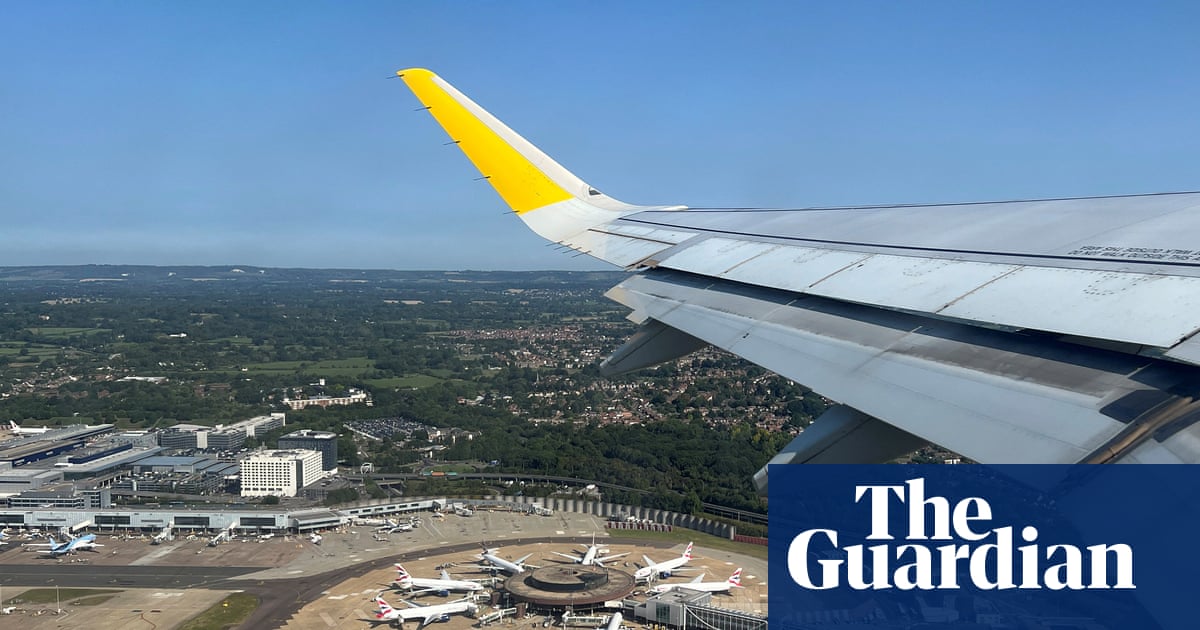
The United Kingdom’s ambitious net-zero carbon emissions target is facing significant headwinds from an unexpected quarter: government-backed airport expansion plans. Warnings from a cross-party parliamentary committee suggest that proposals to enlarge key hubs like Heathrow and Gatwick could push the UK beyond its mandated carbon budgets. This creates a complex and challenging investment landscape for the aviation and energy sectors, particularly concerning the future of aviation fuel supply and demand.
Ministers are being pressed to outline a robust strategy for meeting climate and biodiversity targets concurrently with pursuing substantial airport growth. The committee’s findings indicate that current government policies are insufficient to reduce aviation sector emissions in line with national goals, especially given projections for continued growth in air travel demand. For investors, this represents a growing regulatory risk, as the policy gap between economic expansion and environmental commitments necessitates future interventions, which could impact operational costs and strategic planning for airlines, airport operators, and their fuel suppliers.
Sustainable Aviation Fuel: Promise vs. Commercial Reality
Sustainable Aviation Fuel (SAF) is widely touted as a critical pathway to decarbonizing air travel. However, its immediate commercial viability and widespread adoption remain significant hurdles. Recent challenges, such as Air New Zealand’s decision to abandon its 2030 decarbonization target due to difficulties in securing sufficient sustainable fuel, underscore the gap between aspirational goals and current supply chain realities. This situation presents a dual challenge and opportunity for investors: while the long-term need for SAF is undeniable, its short-term scalability is proving difficult.
The economic landscape further complicates the SAF investment thesis. As of today, Brent Crude trades at $90.38, reflecting a notable -9.07% decline, with WTI Crude at $82.59, down -9.41% within the day’s trading range. Gasoline prices have also dipped to $2.93, a -5.18% decrease. This significant downward pressure on conventional crude and refined product prices – a trend that has seen Brent fall by approximately -19.9% over the past 14 days from $112.78 to $90.38 – inherently widens the cost differential with SAF. The higher production costs of SAF become even more pronounced when traditional jet fuel is cheaper, making widespread voluntary adoption less attractive without substantial government incentives or mandates. Investors in SAF production and infrastructure must therefore consider robust policy support as a critical component of their investment case, rather than solely relying on immediate market economics.
Market Dynamics and Investor Forward Outlook
Our proprietary reader intent data highlights a strong investor focus on future crude oil pricing, with common inquiries such as “what do you predict the price of oil per barrel will be by end of 2026?” and “What are OPEC+ current production quotas?”. These questions are directly pertinent to the future cost of conventional jet fuel and, by extension, the competitive landscape for SAF. The upcoming OPEC+ Joint Ministerial Monitoring Committee (JMMC) Meeting on April 19th and the subsequent Ministerial Meeting on April 20th are pivotal events that will shape global crude supply policy. Any decisions regarding production quotas will directly influence crude prices, impacting refiner margins for aviation fuel and the economic viability of SAF.
A scenario where OPEC+ tightens supply could push crude prices higher, potentially narrowing the cost premium for SAF and making it a more competitive option. Conversely, a loosening of quotas could further depress prices, intensifying the economic headwinds for SAF and the companies investing in its development. Investors must closely monitor these outcomes, as they will dictate strategic decisions for energy companies involved in both traditional jet fuel supply and the burgeoning sustainable aviation fuel market. The volatility observed in crude markets, coupled with the long-term decarbonization imperative, creates a complex but potentially rewarding environment for those with a clear understanding of these intertwined dynamics.
Policy Paralysis and Investment Implications
The UK government’s current stance, which reportedly rules out demand management measures such as limiting flight numbers and relies on an “outdated policy framework” from 2018, adds a layer of uncertainty for investors. This approach suggests that the burden of decarbonization for the aviation sector will primarily fall on technological solutions and fuel switching, rather than reductions in air travel volume. This could, paradoxically, accelerate investment in SAF research, development, and production capacity, provided that strong government incentives and mandates are eventually put in place to bridge the cost gap with conventional fuels.
However, the lack of an updated national policy statement on airports that robustly integrates net-zero targets *before* expansion projects commence signals a significant regulatory lag. Companies operating in the UK aviation space, from airlines to fuel suppliers and infrastructure providers, face potential future carbon liabilities, stricter mandates, or even public backlash if the country falls short of its climate commitments. Therefore, strategic, long-term investments in carbon capture technologies, diversification into alternative fuel pathways, and enhanced energy efficiency across the aviation supply chain become critical hedges against evolving environmental regulations and increasing societal pressures for genuine decarbonization. Investors should seek out companies demonstrating clear commitments and actionable plans for reducing their carbon footprint within this challenging policy environment.