

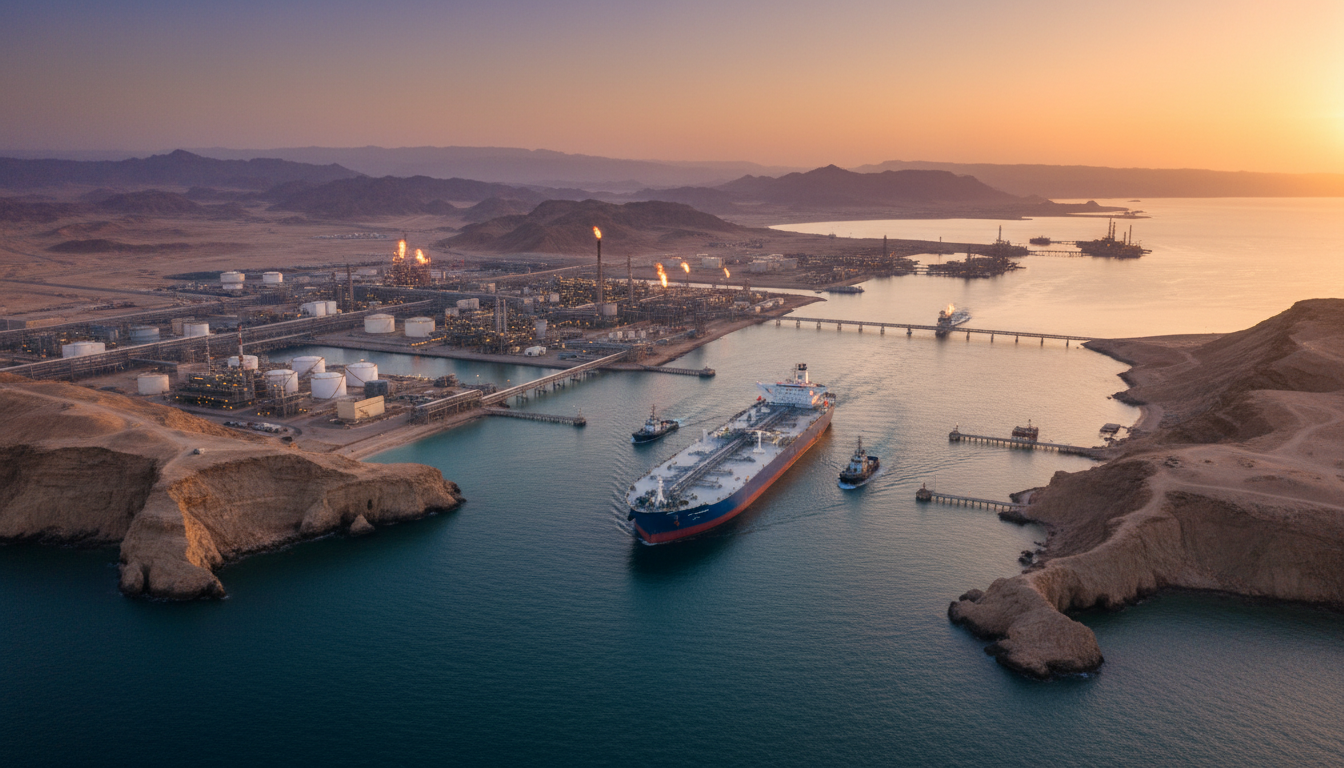
The Strait of Hormuz, the world’s most critical maritime chokepoint for energy shipments, has become the focal point of an escalating geopolitical crisis that threatens global oil and gas markets. Recent statements from top Emirati officials underscore the imperative for any resolution to the ongoing US-Iran conflict to unequivocally guarantee unimpeded passage through this vital waterway. This stance reflects a deep-seated concern among Gulf states and global investors alike regarding the stability of crude oil and liquefied natural gas (LNG) supplies.
Anwar Gargash, diplomatic adviser to the UAE president, recently stressed that a settlement failing to curb Iran’s nuclear ambitions, ballistic missile arsenal, and drone capabilities would inevitably lead to a more dangerous and volatile Middle East. For energy investors, such an outcome translates directly into heightened risk premiums and persistent market uncertainty. The notion that the Strait of Hormuz could be weaponized or used as a regional bargaining chip is unequivocally rejected, with Gargash asserting its security as a global economic necessity, not a negotiable local issue. Freedom of navigation through this crucial channel, which sees approximately one-fifth of global oil and LNG supplies traverse daily, must be an integral and clearly agreed-upon component of any conflict resolution.
Securing the Lifeline of Global Energy
The UAE’s call for an end to the current conflict is clear, yet it comes with a critical caveat: a ceasefire that merely postpones addressing the fundamental causes of instability is unacceptable. Investors should heed this warning. A superficial cessation of hostilities, without dismantling the roots of regional aggression, would offer little comfort or long-term predictability for capital deployed in the energy sector. The specter of Iran’s nuclear program and the persistent threat of missile and drone attacks on critical infrastructure continue to cast a long shadow over the region, dampening investment sentiment and elevating insurance costs for maritime transport.
The rhetoric surrounding this conflict has grown increasingly sharp. US President Donald Trump recently issued a stark ultimatum to Tehran, threatening severe repercussions if a deal was not reached and the Strait of Hormuz reopened by a specified Tuesday deadline. His social media posts further outlined potential strikes against Iranian energy and transport infrastructure, actions that critics have warned could constitute war crimes. Such bellicose pronouncements immediately inject volatility into crude oil futures, as markets price in the potential for sudden supply shocks and significant disruptions to global energy flows.
For over five weeks, the region has witnessed sustained missile and airstrike campaigns by the US and Israel against Iran. These actions are reportedly aimed at neutralizing what they describe as an imminent threat stemming from Iran’s alleged nuclear weapons development program, its advanced ballistic missile capabilities, and its support for various regional proxy militias. This protracted engagement underscores the severity of the crisis and its potential to inflict lasting damage on the region’s energy production and export capabilities.
Worst-Case Scenarios and Market Resilience
The UAE has publicly affirmed its readiness to participate in any US-led international initiative designed to safeguard shipping through the Strait of Hormuz. This commitment highlights the acute awareness among Gulf nations of the shared vulnerability to supply disruptions. The conflict, which erupted on February 28th following the collapse of nuclear agreement talks between Washington and Tehran, has already taken a significant toll. Iranian retaliatory strikes have targeted Israel, US military bases, and vital Gulf energy infrastructure, including airports, ports, and commercial centers. Regional officials indicate that the UAE has borne the brunt of these Iranian attacks more heavily than any other Gulf state.
According to Gargash, a full Iranian assault had long been considered the UAE’s most unlikely worst-case scenario – a situation now unfolding in real-time. Despite these unprecedented challenges, the UAE demonstrates remarkable resilience. Its economic fundamentals remain robust, positioning the nation for a recovery, though officials acknowledge that significant effort will be required. For energy investors, this resilience offers a glimmer of hope, suggesting that key infrastructure and economic stability in the UAE may withstand severe pressures, supporting continued investment in its substantial energy assets.
Shifting Geopolitical Alignments and Investment Outlook
The ongoing conflict is fundamentally reshaping the geopolitical landscape of the Gulf. Iran’s aggressive strategy, rather than reducing Washington’s influence, appears to be solidifying the Gulf’s security alignment with the United States. This trend is likely to entrench the US military presence in the region and amplify Israel’s strategic footprint. From an investment perspective, this increased US engagement could be interpreted as a stabilizing factor for some, providing a robust security umbrella for energy infrastructure. Gargash reiterated that the US remains the UAE’s core security partner, with Abu Dhabi committed to strengthening this relationship as regional threats intensify.
Iran’s targeted strikes on Gulf energy facilities and shipping lanes were widely seen by regional observers as a calculated maneuver to raise the economic costs for Washington’s Arab Gulf allies. The underlying logic, developed over years of attempts by Gulf states to balance ties with both Washington and Tehran, was that economic shocks and regional spillover would compel these nations to pressure the United States into halting its campaign. Many Gulf states had previously restored diplomatic relations with Iran and actively sought to shield their economies from regional turmoil, believing that diplomatic engagement would mitigate risk. However, the current escalation has clearly demonstrated the limits of this strategy, ushering in a new era of heightened confrontation that will influence long-term capital allocation decisions in the region’s energy sector.
The Trust Deficit and International Support
Gargash contended that Iran’s leadership is fighting primarily for regime preservation, not for the nation itself, arguing that no rational government would accept such destruction merely to claim resistance. While the UAE harbors no desire for hostility with Iran, trust is deemed impossible under the current Tehran government. This assessment has significant implications for energy investors, signaling that a quick and lasting resolution built on mutual trust is unlikely, thus pointing to prolonged periods of uncertainty and elevated geopolitical risk. Such an environment demands meticulous risk management and scenario planning from any entity investing in the region.
Amidst these challenges, the UAE has expressed gratitude for the robust international support it has received. France was singled out as a steadfast partner, and Washington was praised for its exceptional backing, particularly in bolstering the UAE’s critical air-defense capabilities. This international solidarity provides a degree of reassurance to global markets and investors, indicating a concerted effort by major powers to safeguard regional stability and protect the crucial energy interests at stake in the Gulf.
